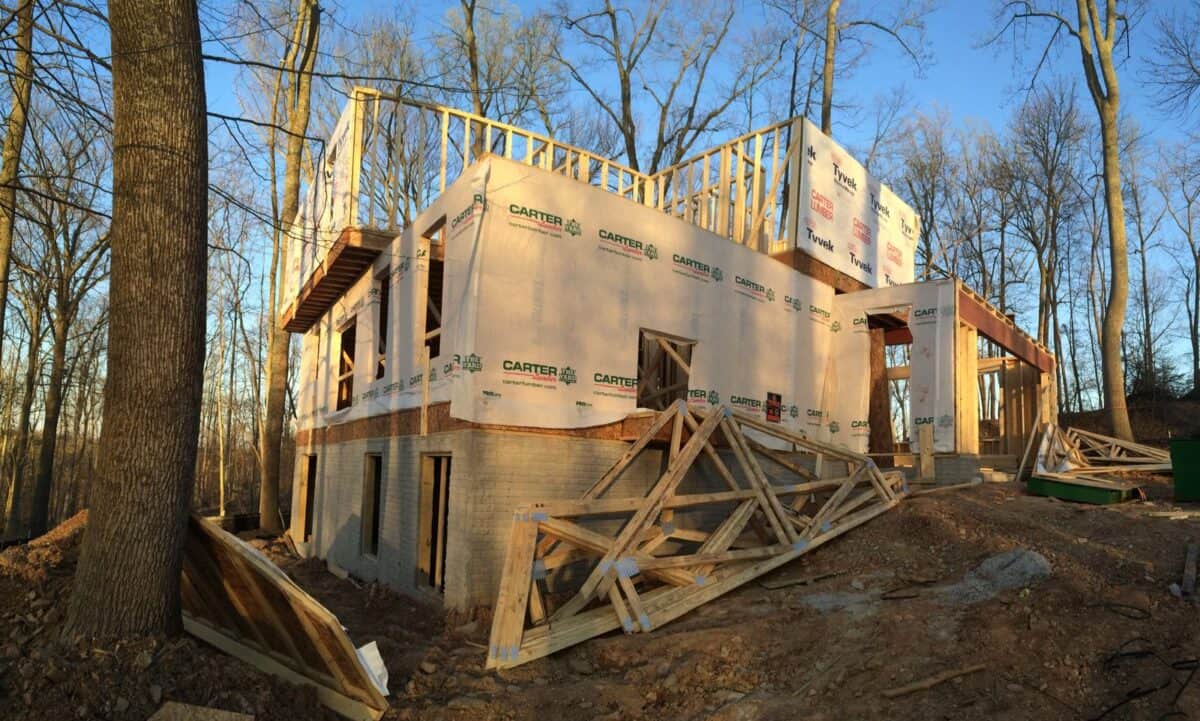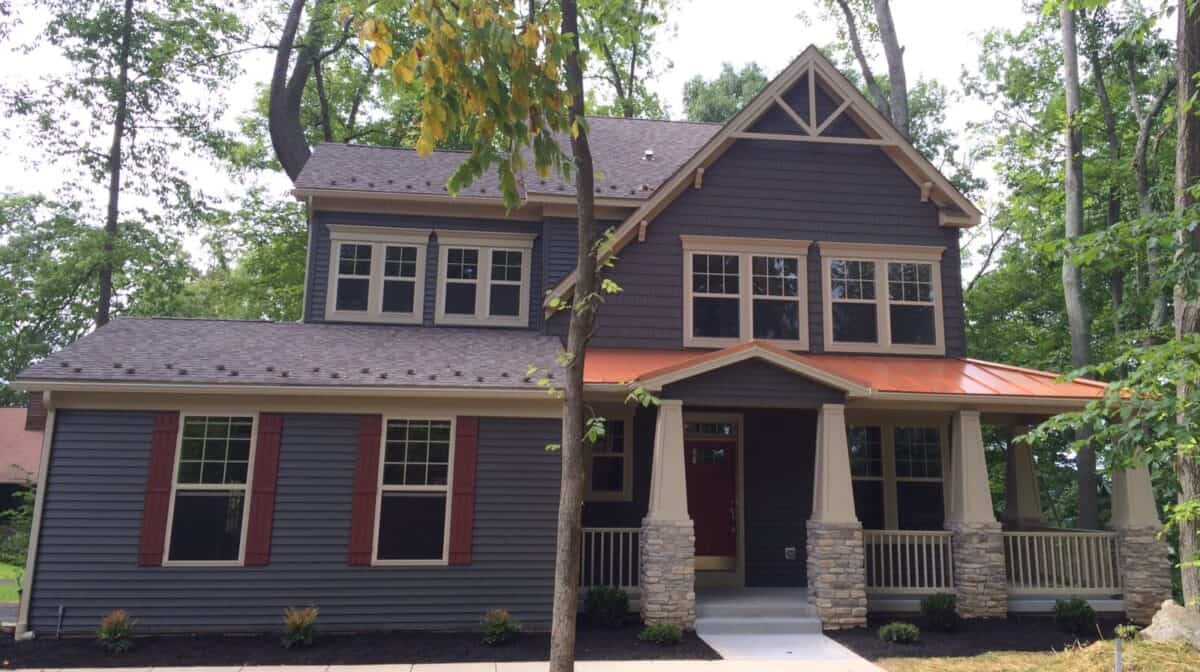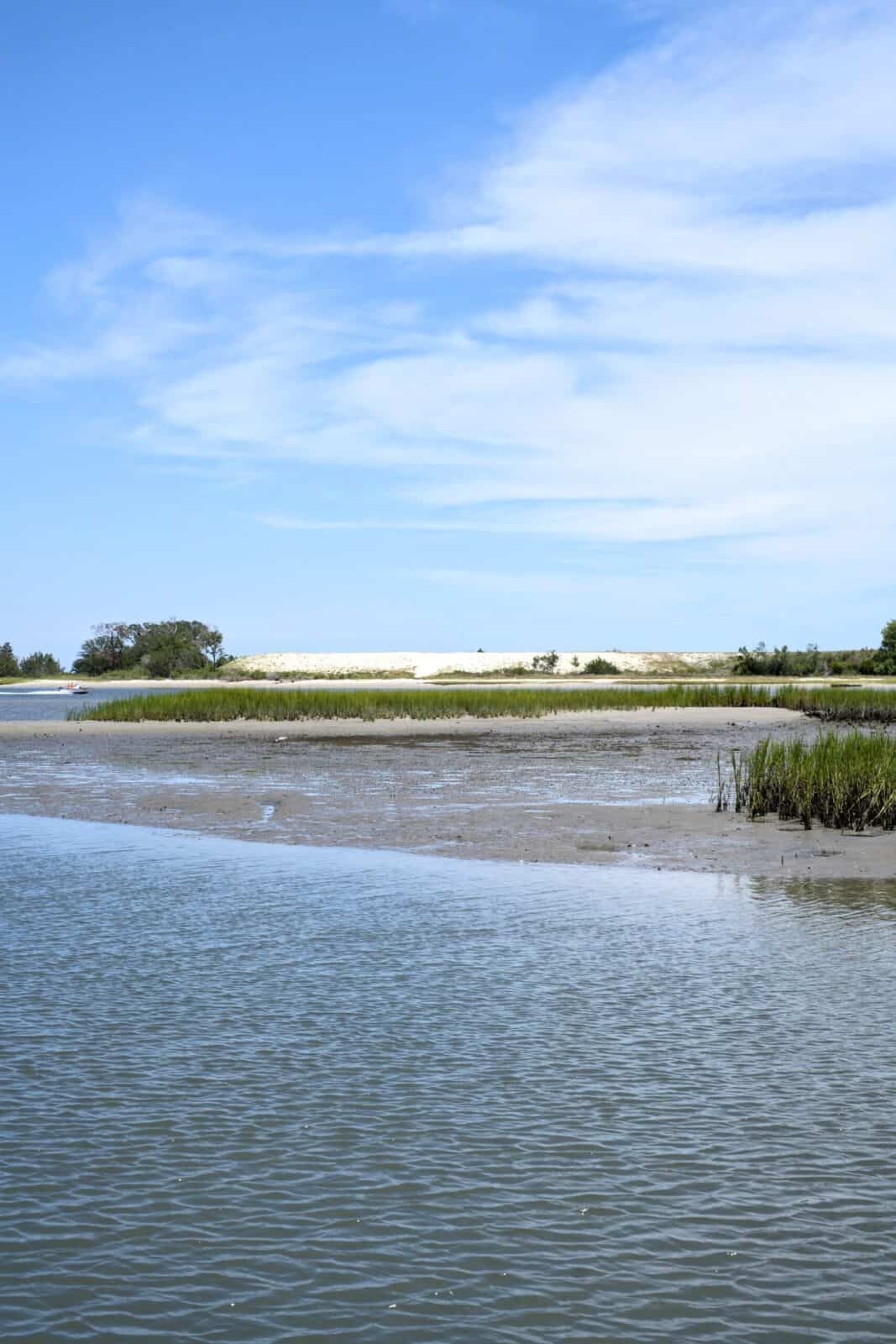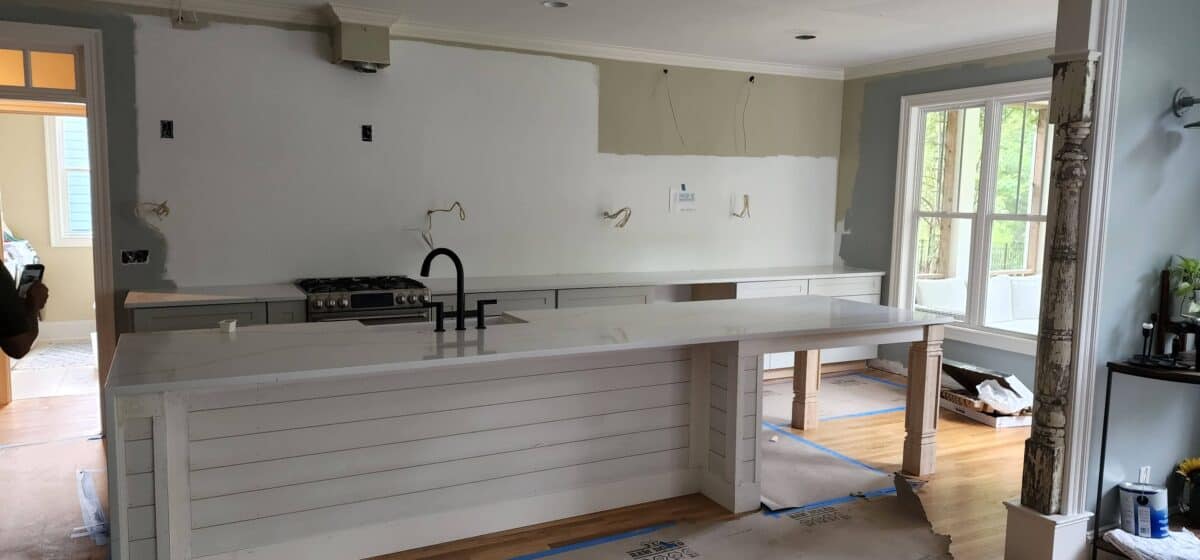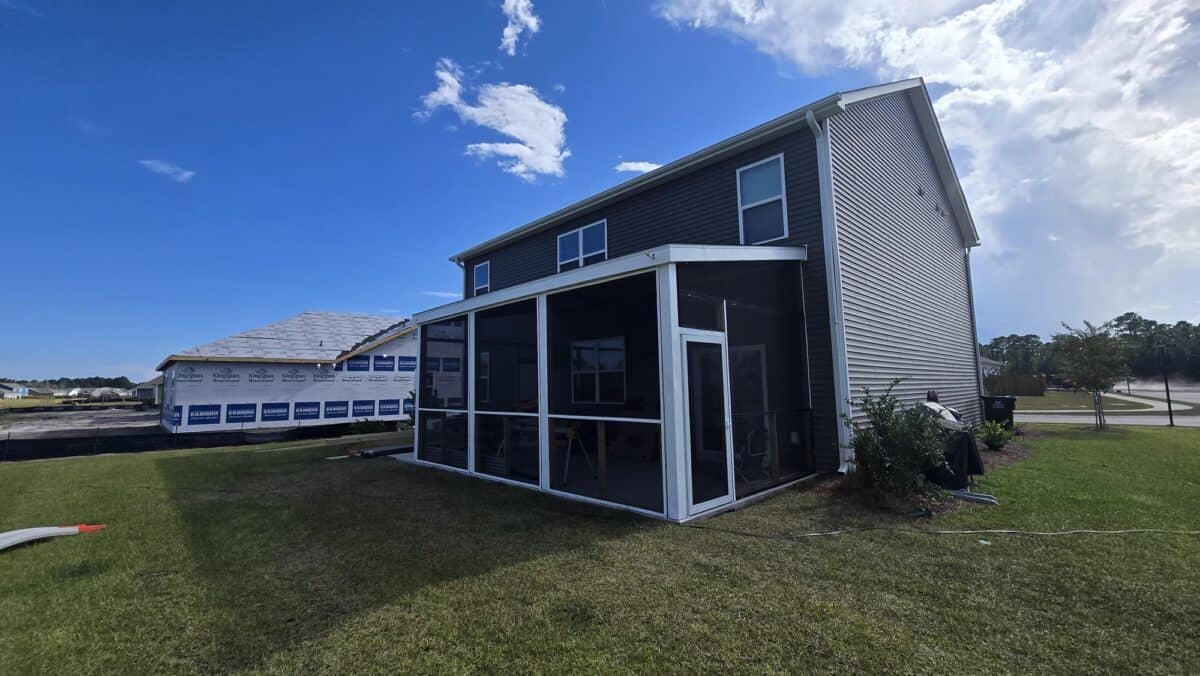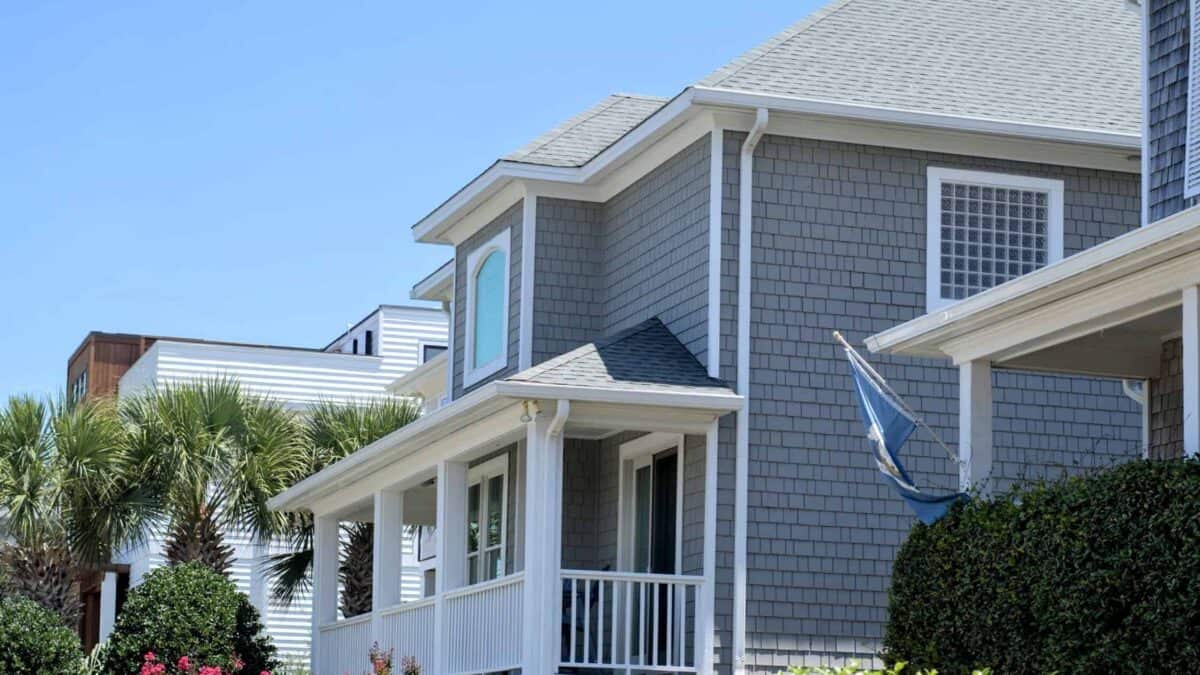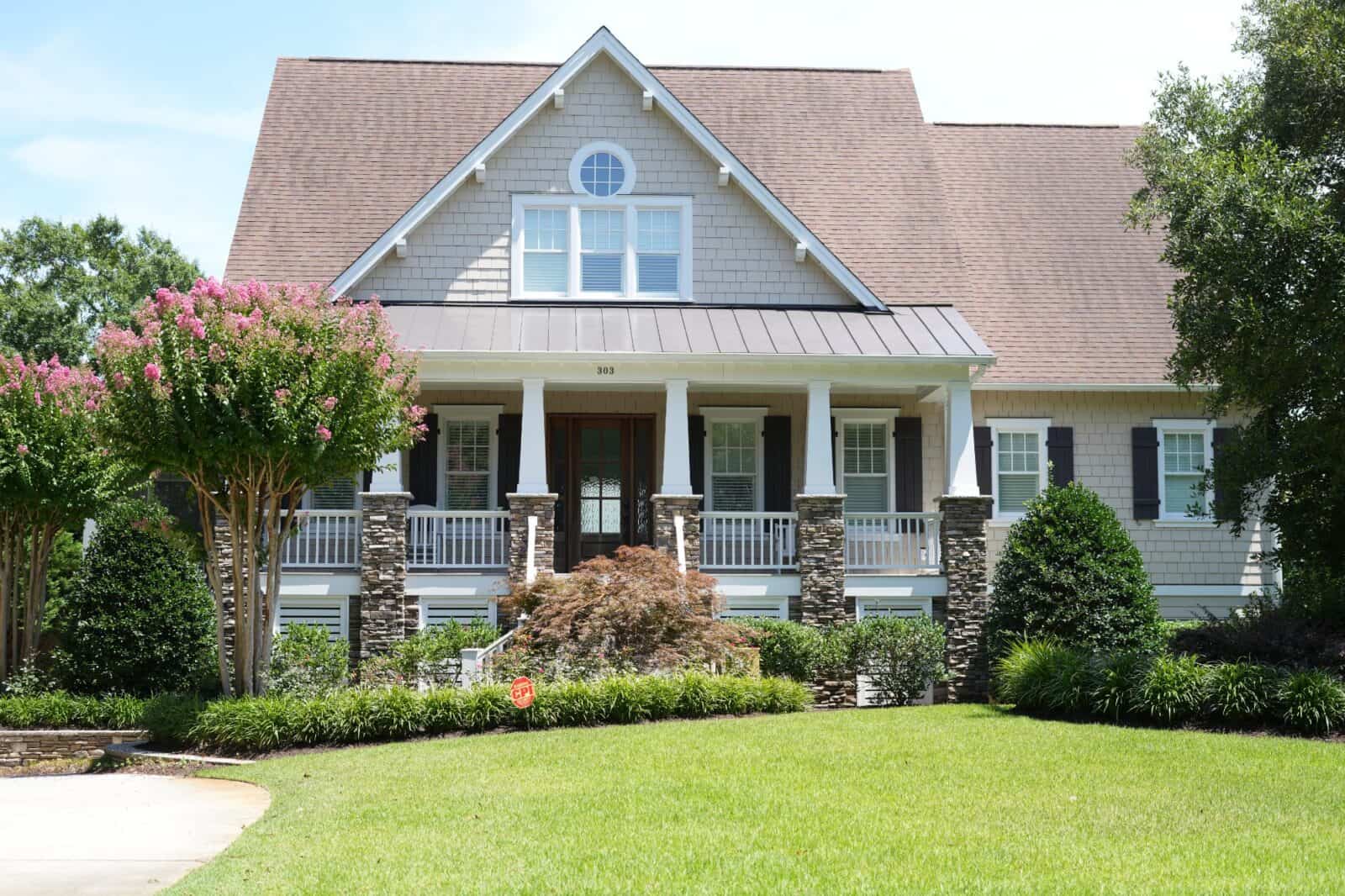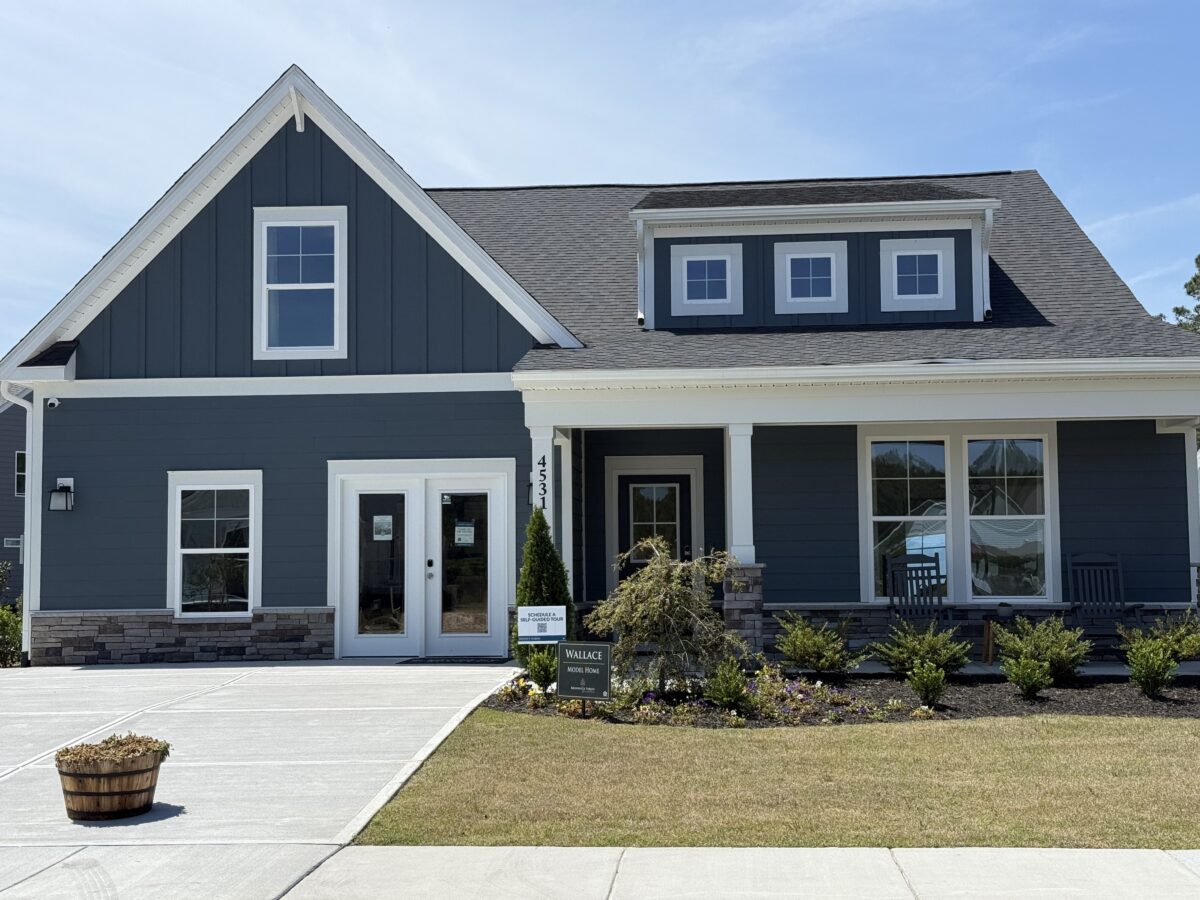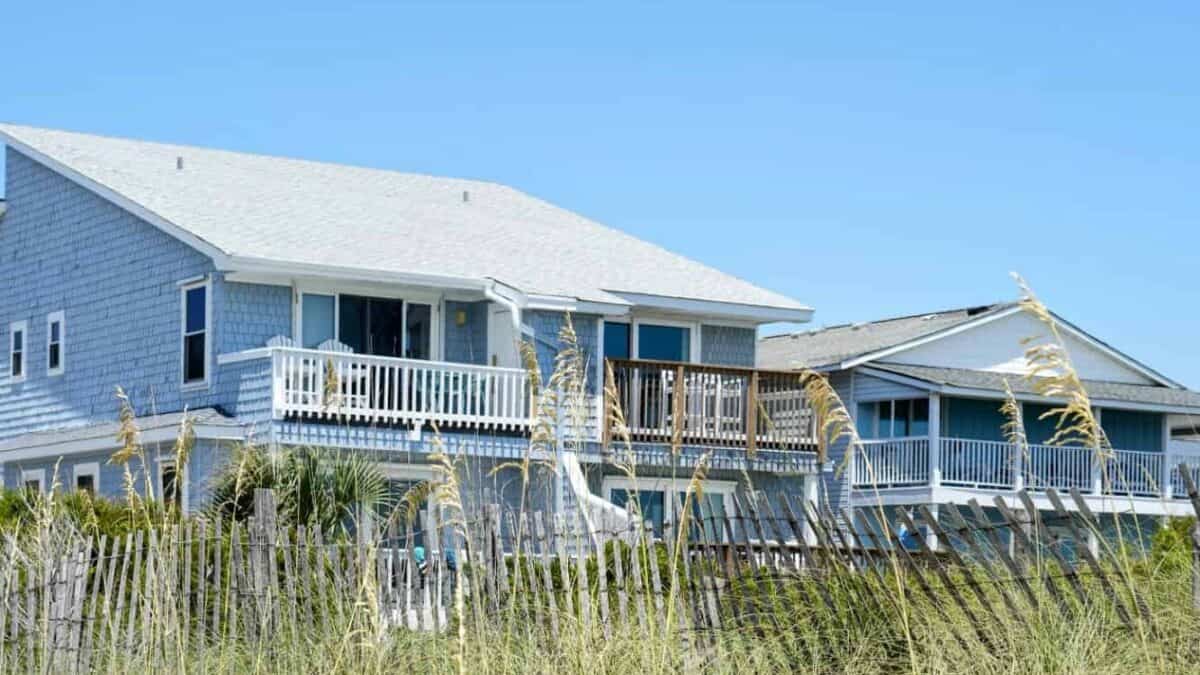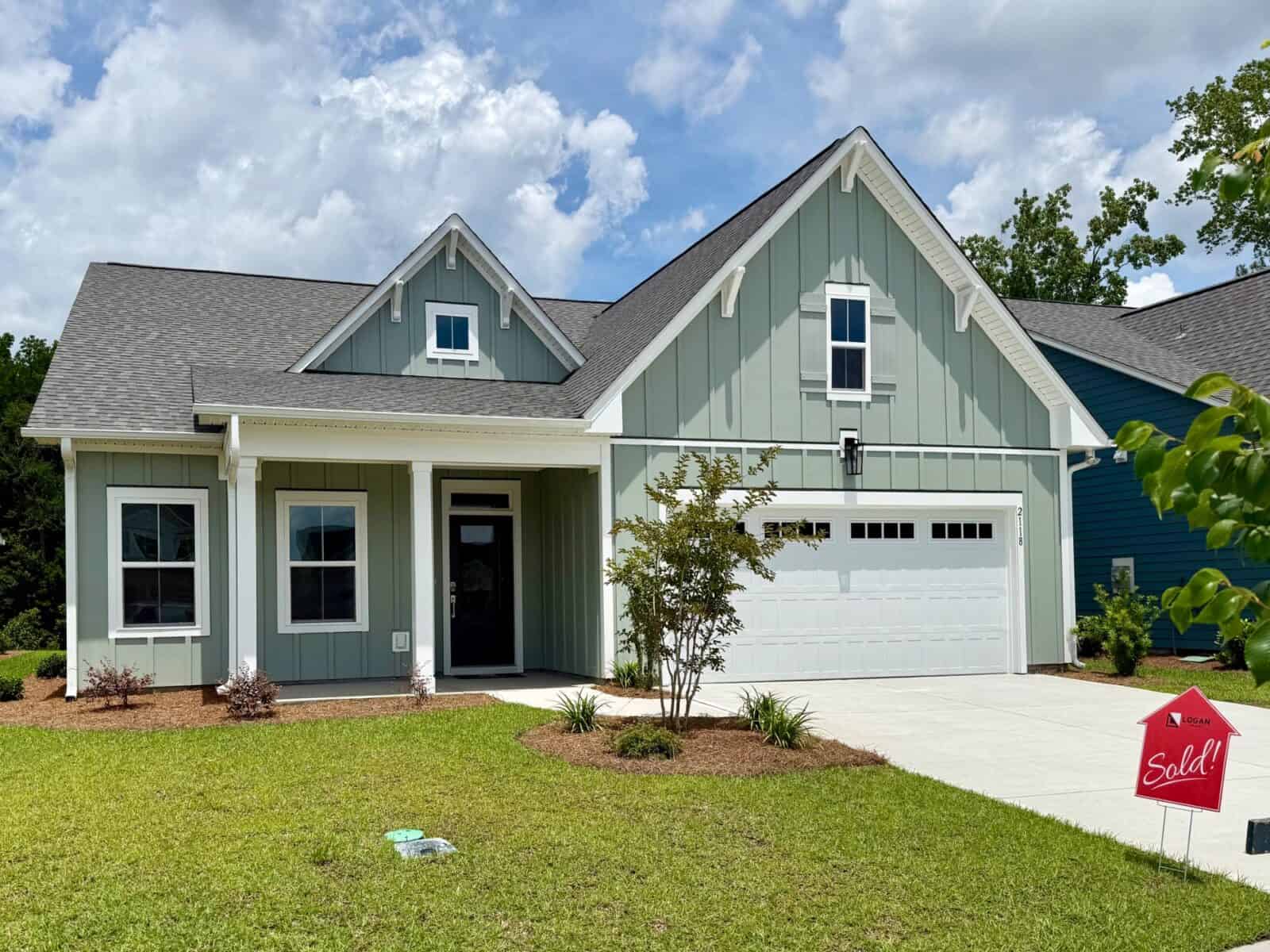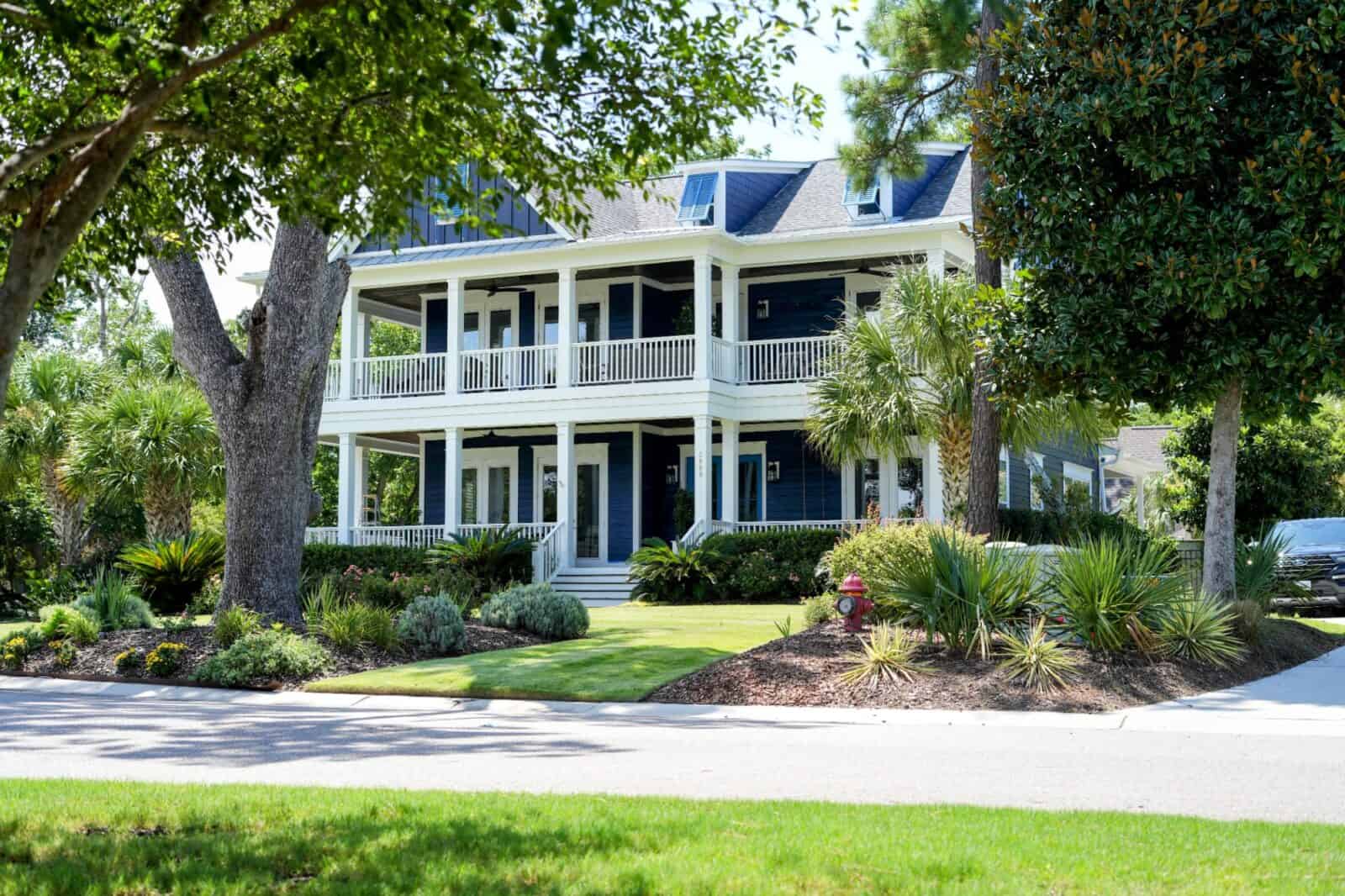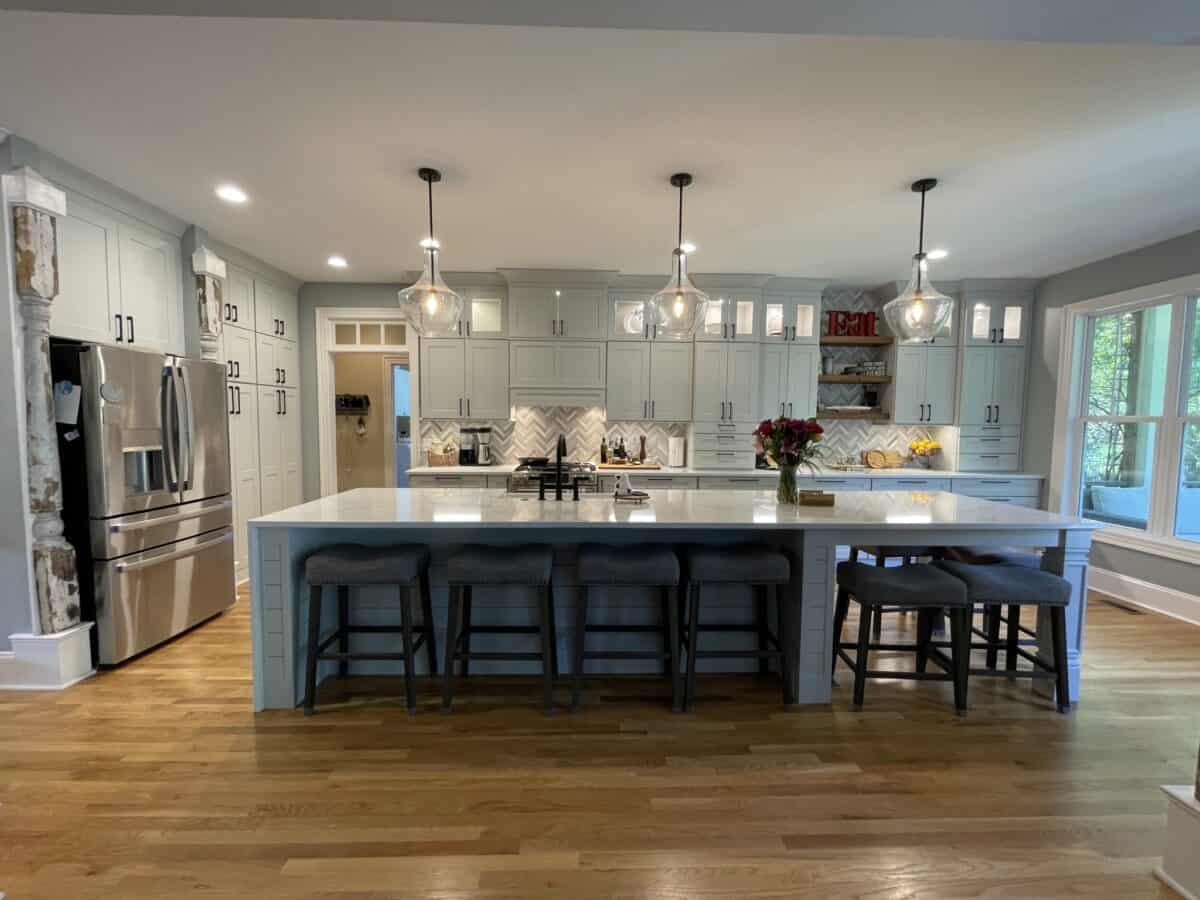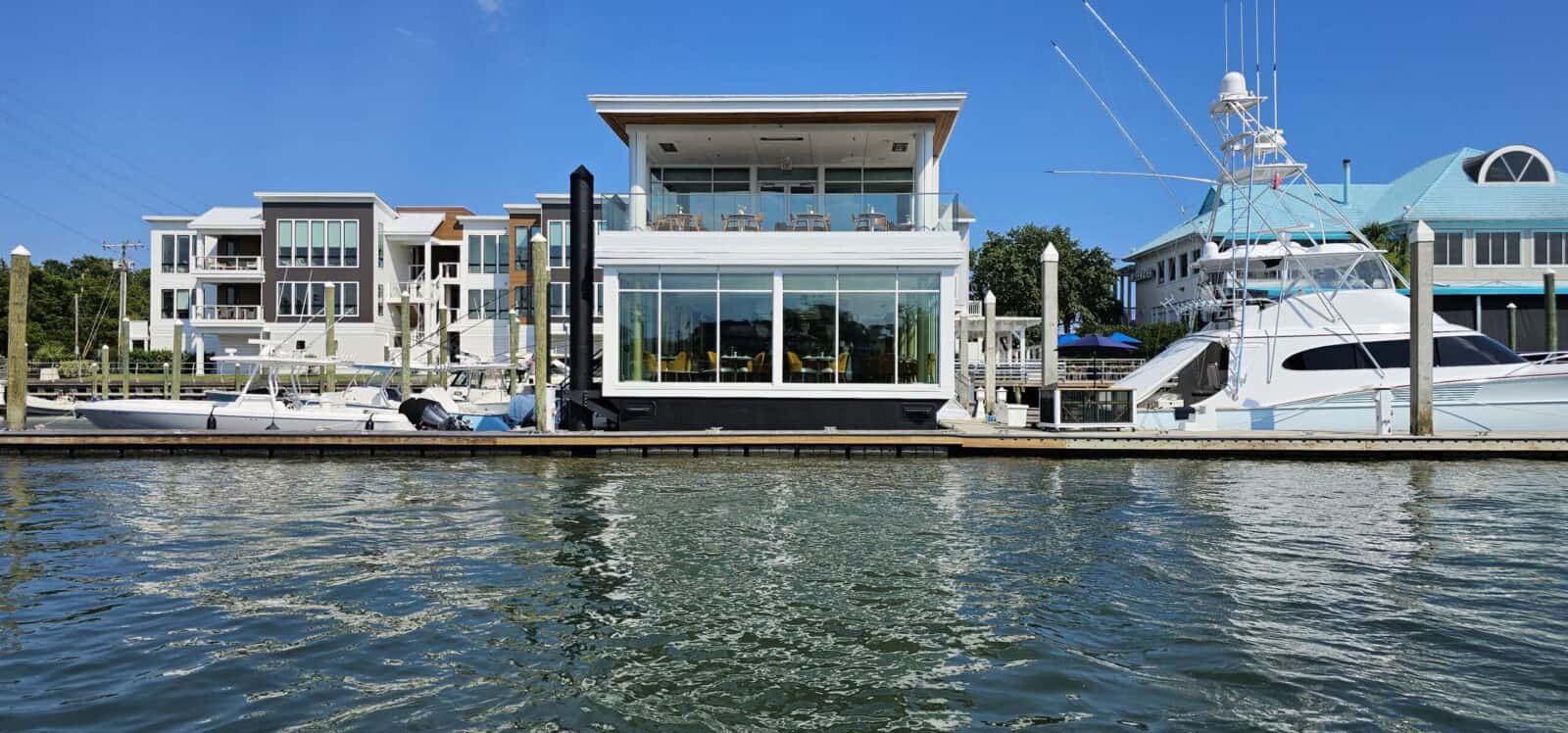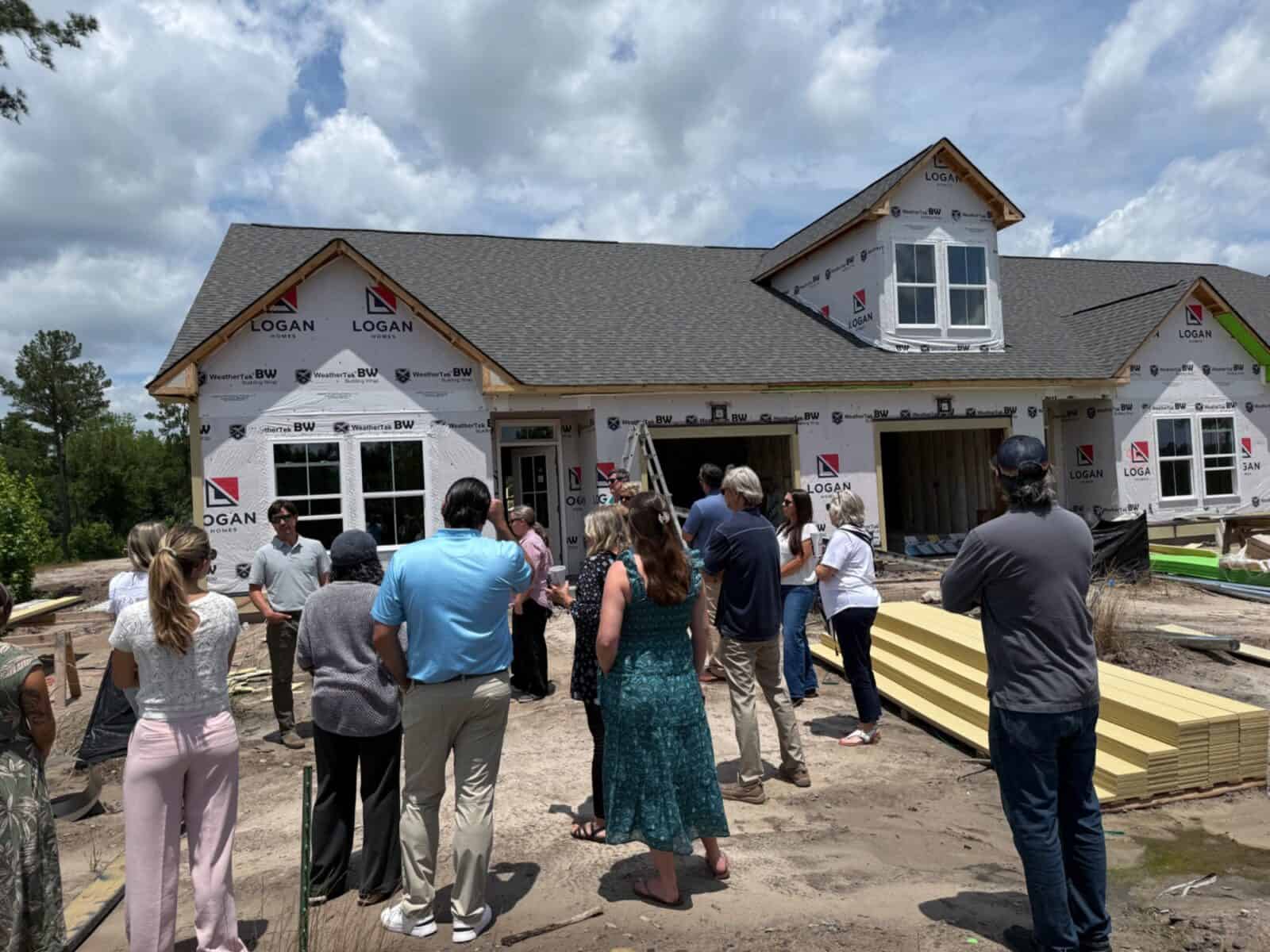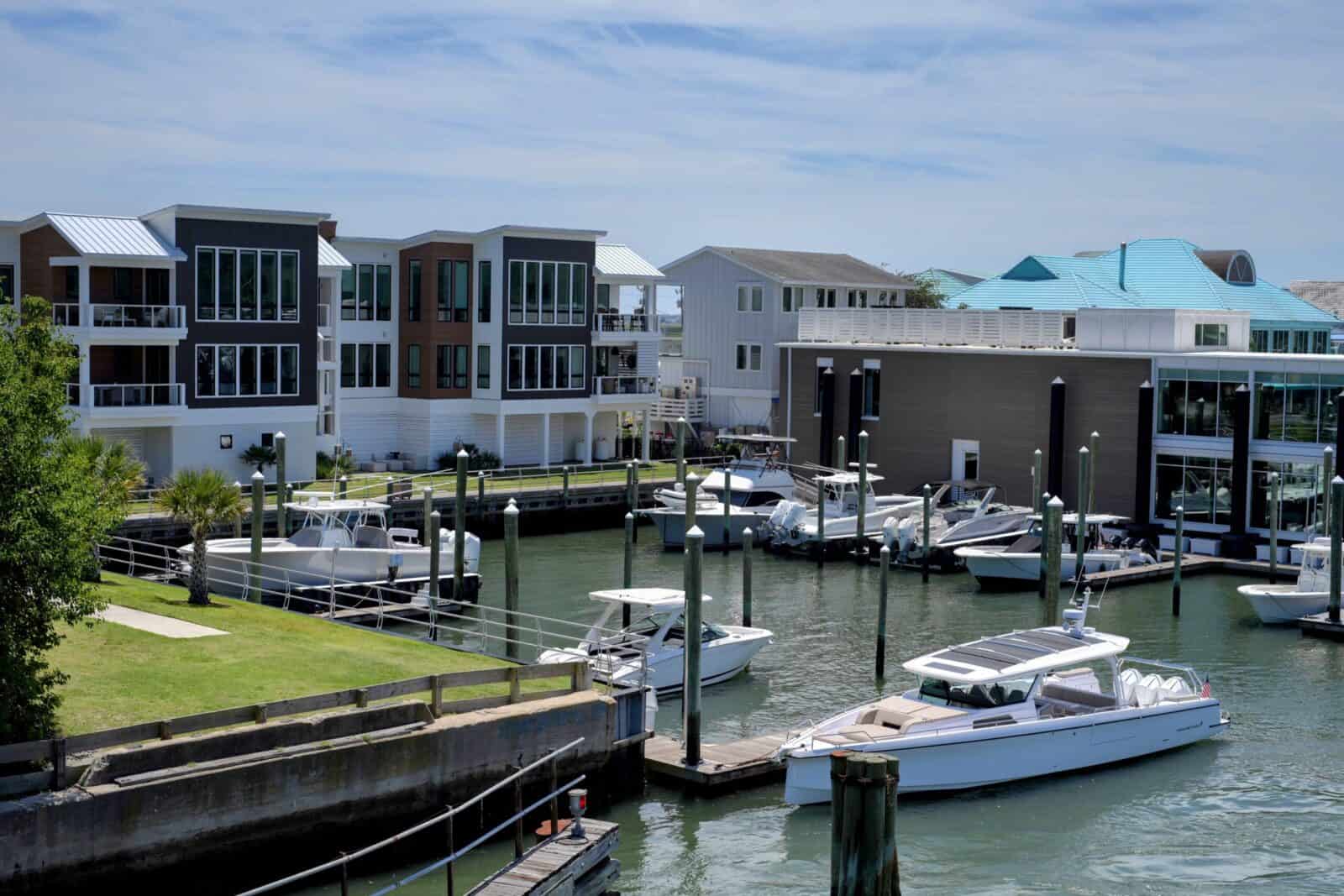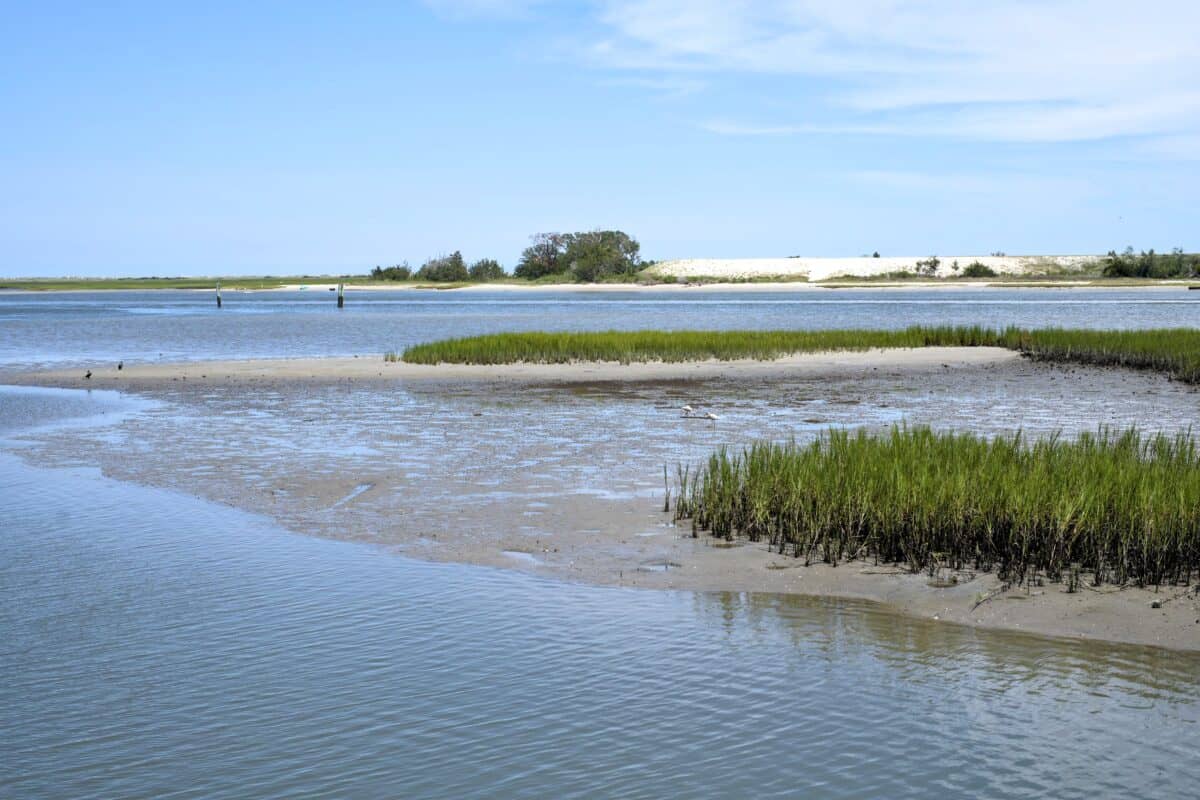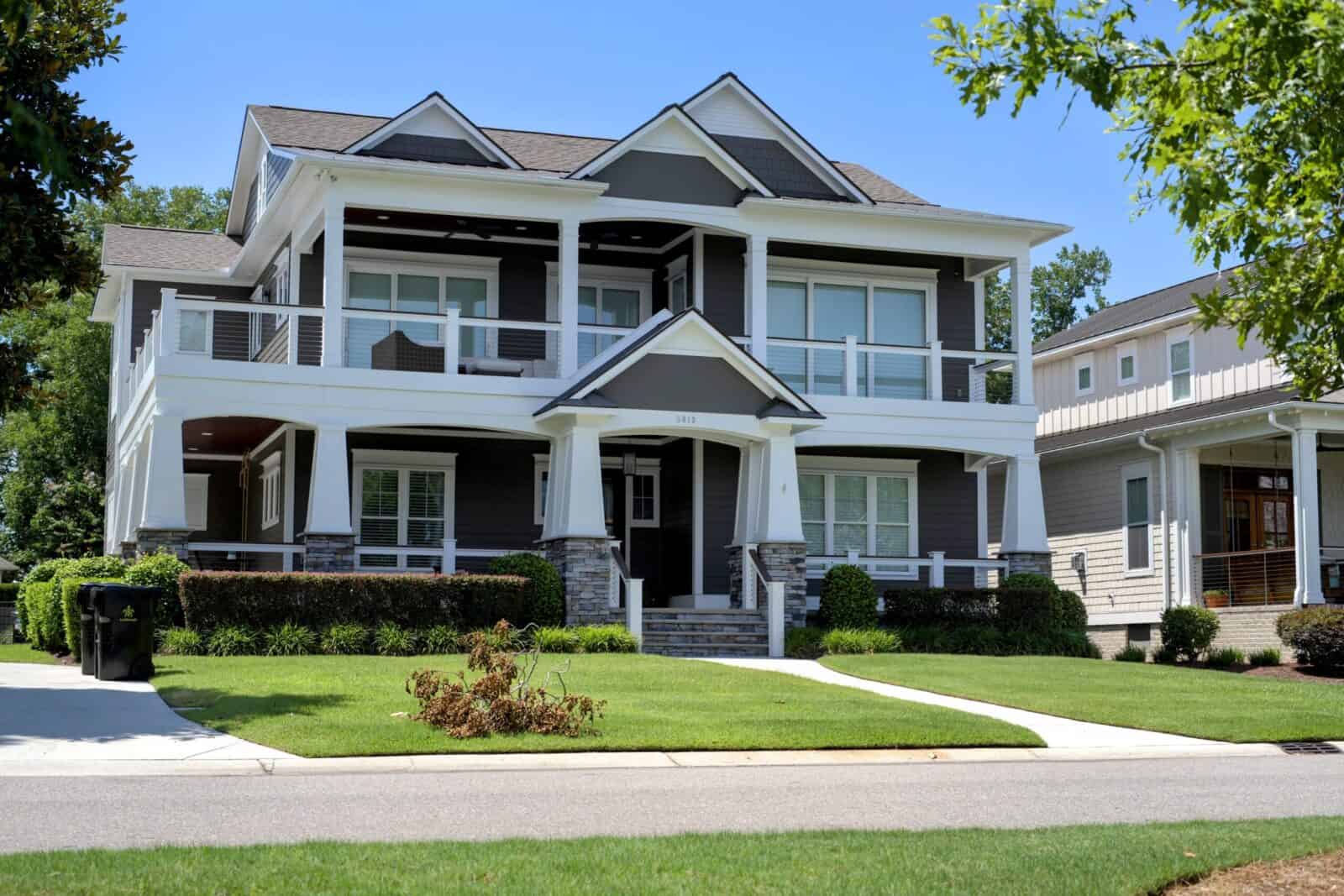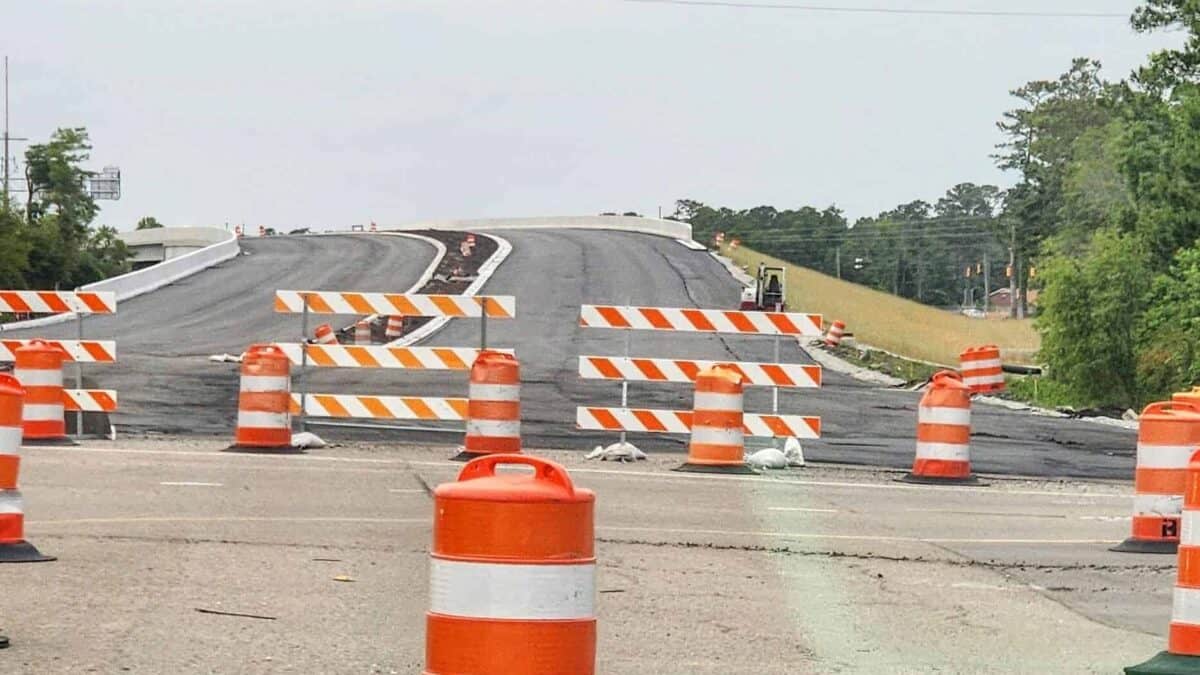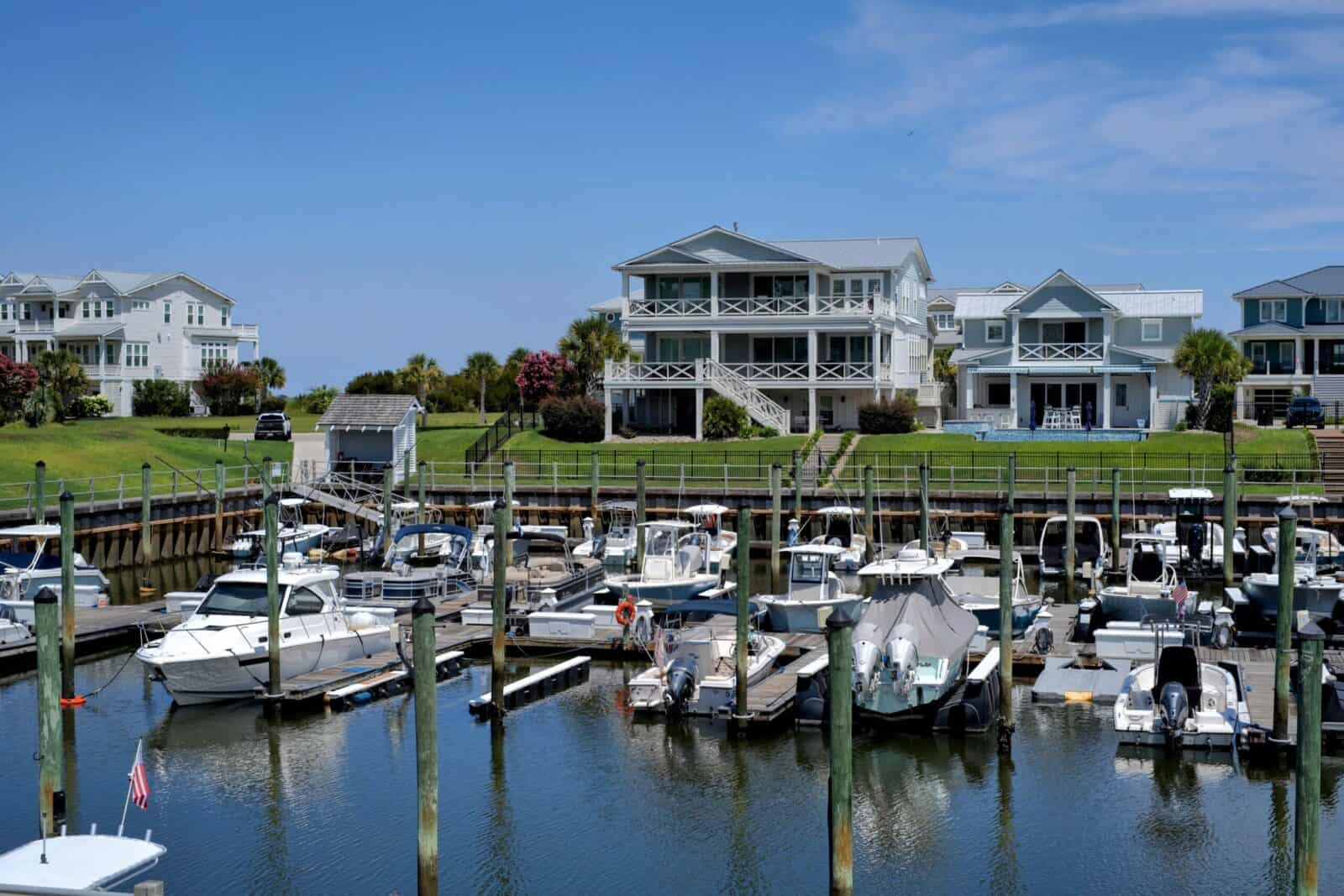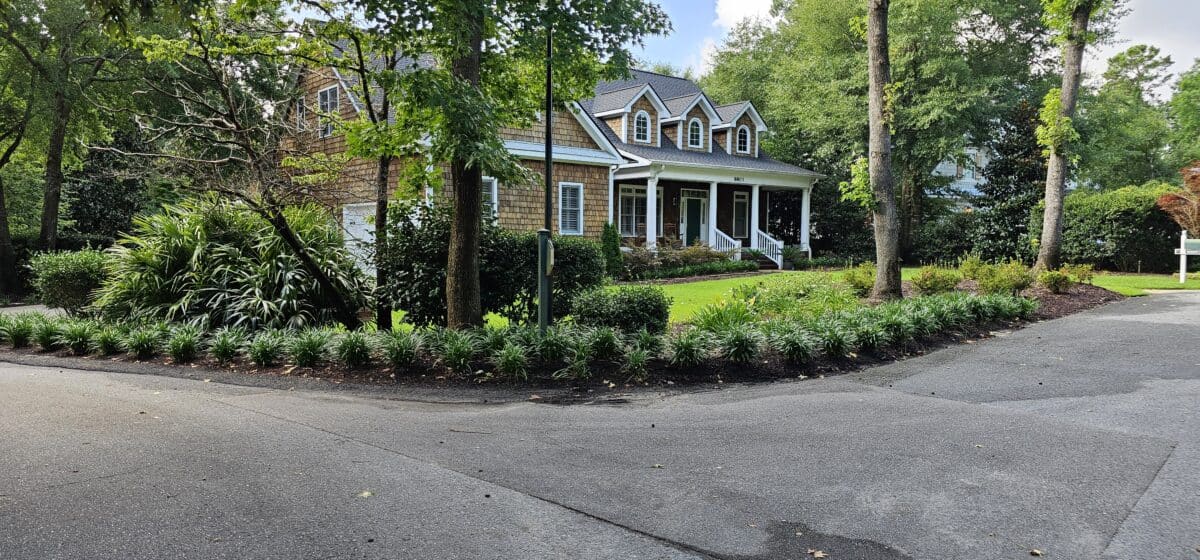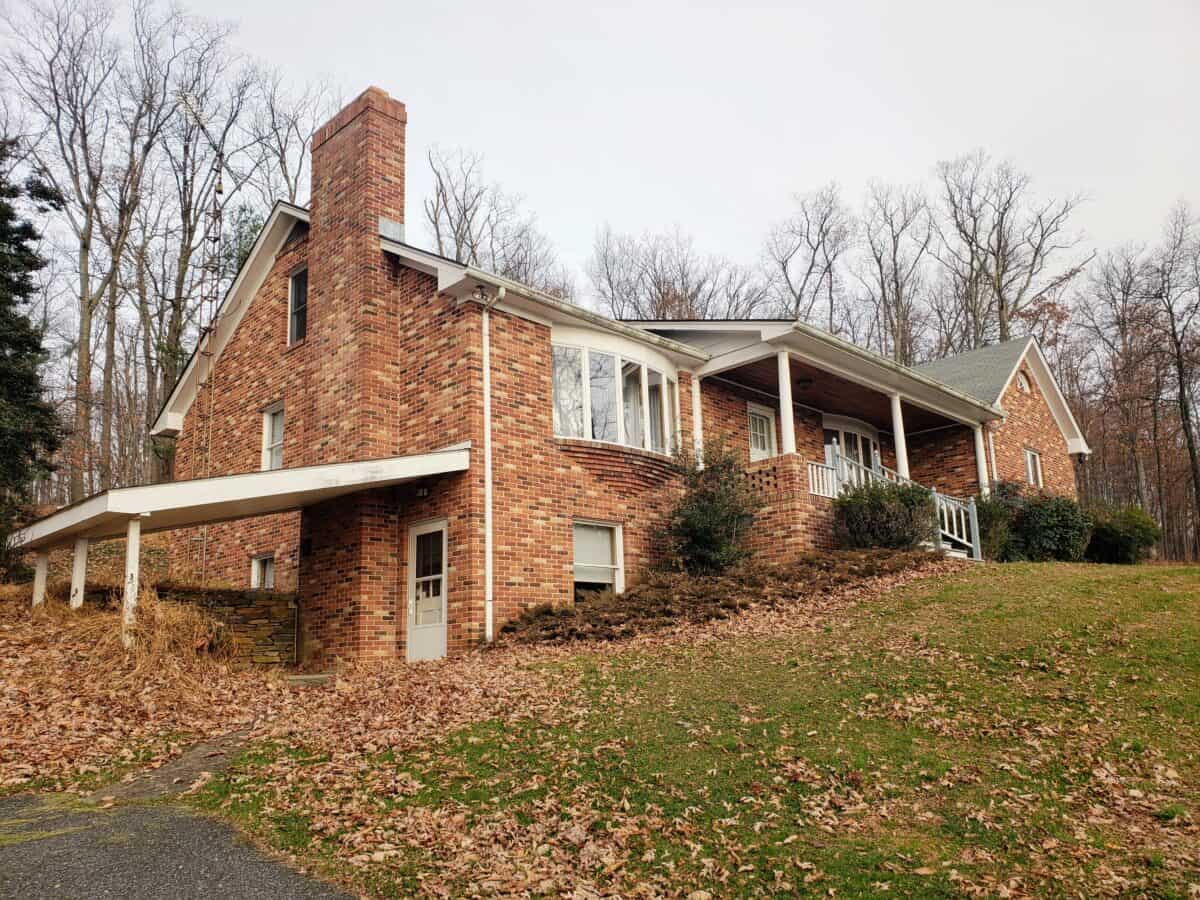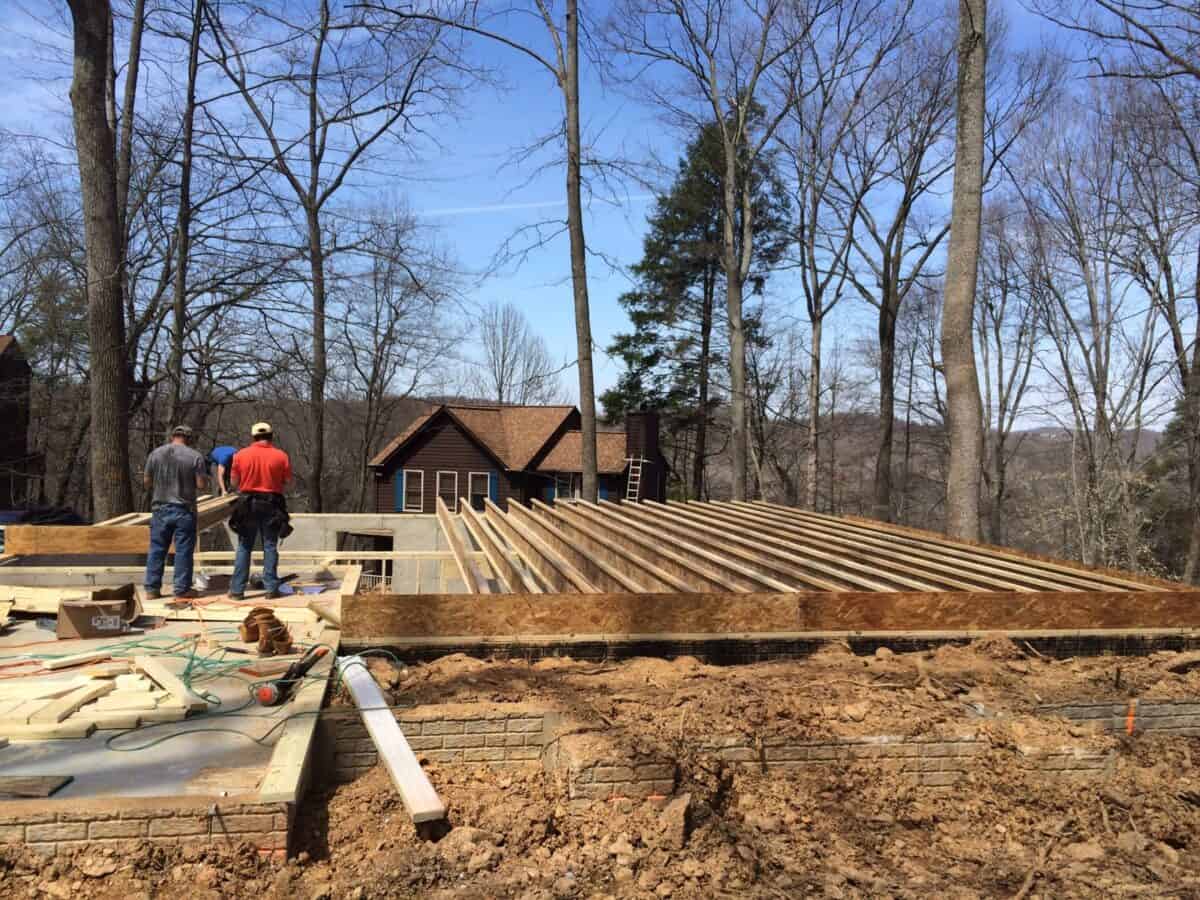
Building a house is equal parts thrilling and exhausting. When we built our home in Lake Linganore, I loved it and I’d do it again, but there are things I wish someone had told me on day one. (Our build was in Maryland, before we moved to the coast — the lessons travel, and I’ll flag what’s different when you’re building here.) Now I walk buyers through new construction around Wilmington, and these are the tips for building a new home I give every one of them, with photos from our own build.
The short version: bring your own agent from the very first visit, know your selections deadlines, walk the lot before it’s cleared, visit the site often (safely), never skip the pre-drywall walk, hire your own inspector, plan where you’ll live for longer than the builder’s estimate, understand how your financing works during the build, and check the coastal basics for that exact lot.
1. Bring your own agent on your very first visit
The friendly person in the model home is great, and they work for the builder. You’re allowed to have someone on your side of the table too. Many builders ask that your agent come with you, or be registered, on your first visit, so bring them before you walk in, not after you fall in love with a floor plan. One thing that’s changed since our build: as of August 2024, you’ll sign a written buyer agency agreement with your agent before touring homes — including new construction when your agent comes along. It spells out exactly what they do for you and how they’re paid, and it’s worth reading before your first model-home visit.
2. Sketch what you want before your plans are final
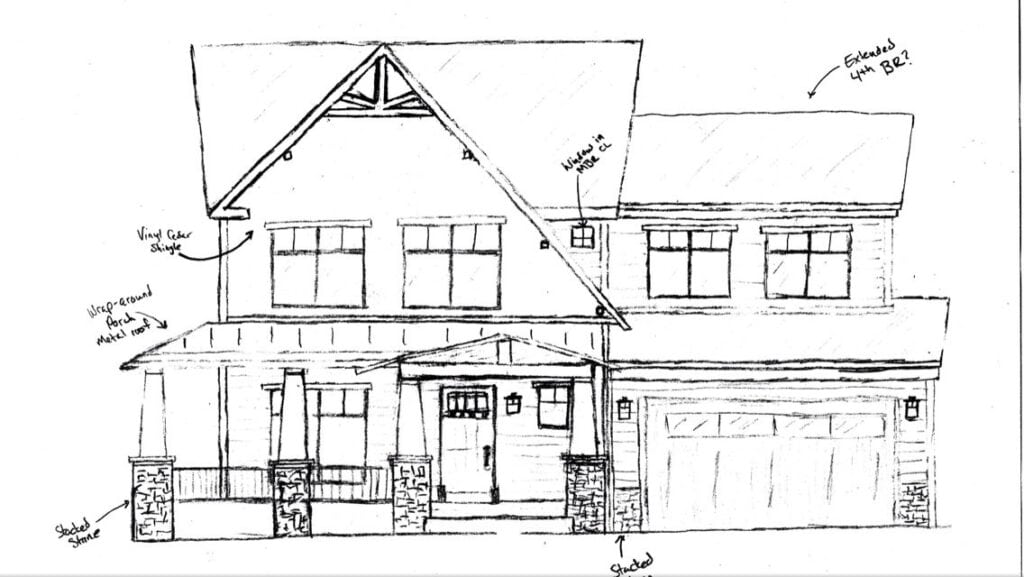
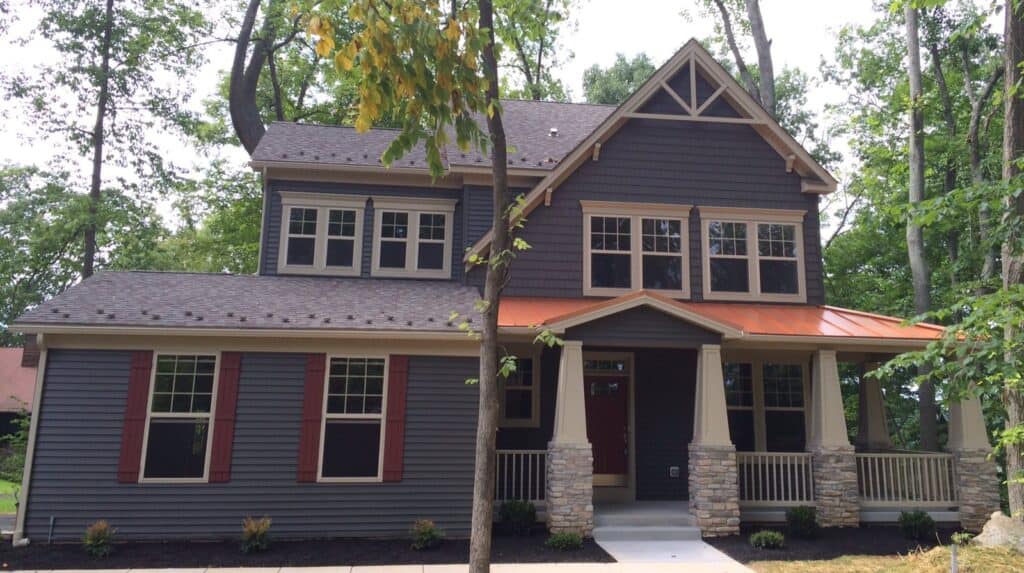
Our builder, CE Rensberger, was a small family builder with a set of standard plans you could build as-is or tweak. Jon took one of those plans and sketched our changes in pencil: the porch, the stone column bases, the metal porch roof. It made every conversation faster, because instead of flipping through options we could point and say “this.” It doesn’t need to be pretty. A list of must-haves and deal-breakers works too.
3. Selections start way before the dirt does, so plan for them
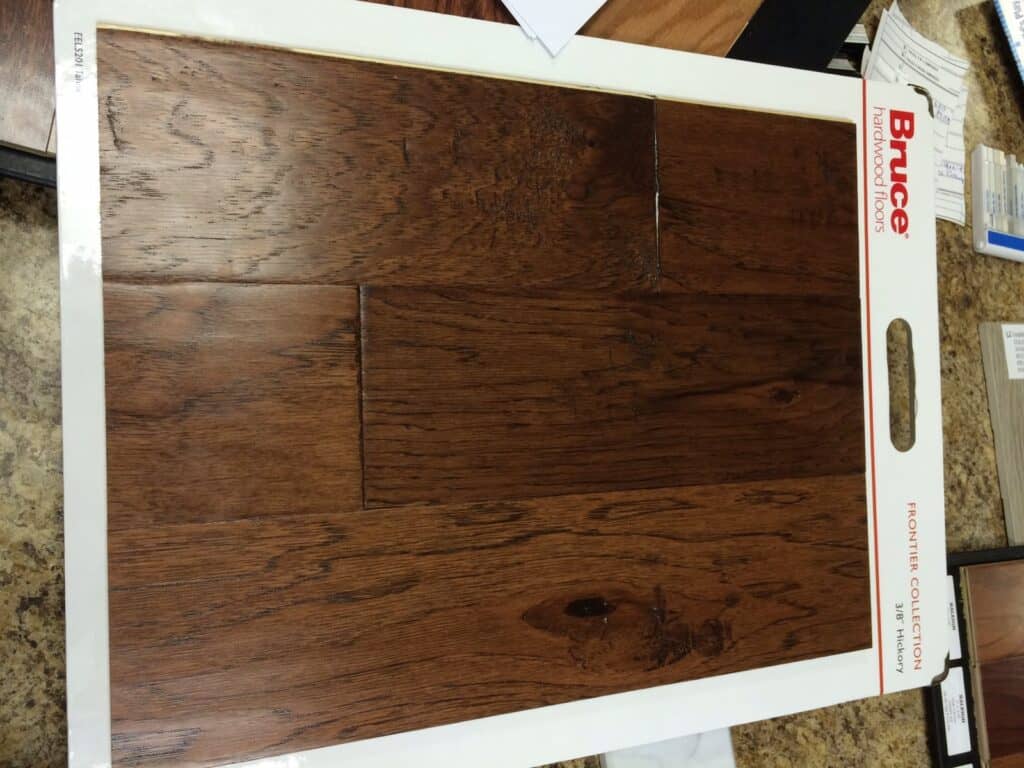
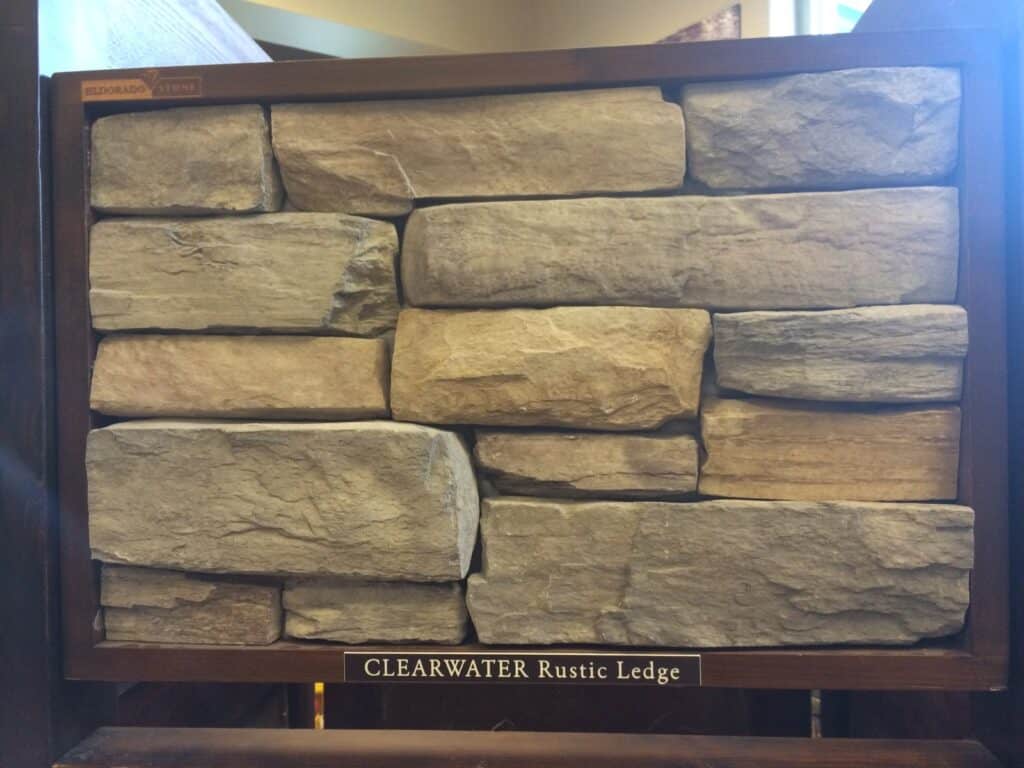
We were picking siding, shutters, stone and light fixtures a month before the lot was cleared, and I was still in a showroom looking at stone samples while the house was being framed. Ask for the selections schedule the day you sign, and ask what’s included versus an upgrade. Upgrades are where budgets quietly grow.
4. Walk the lot before it’s cleared
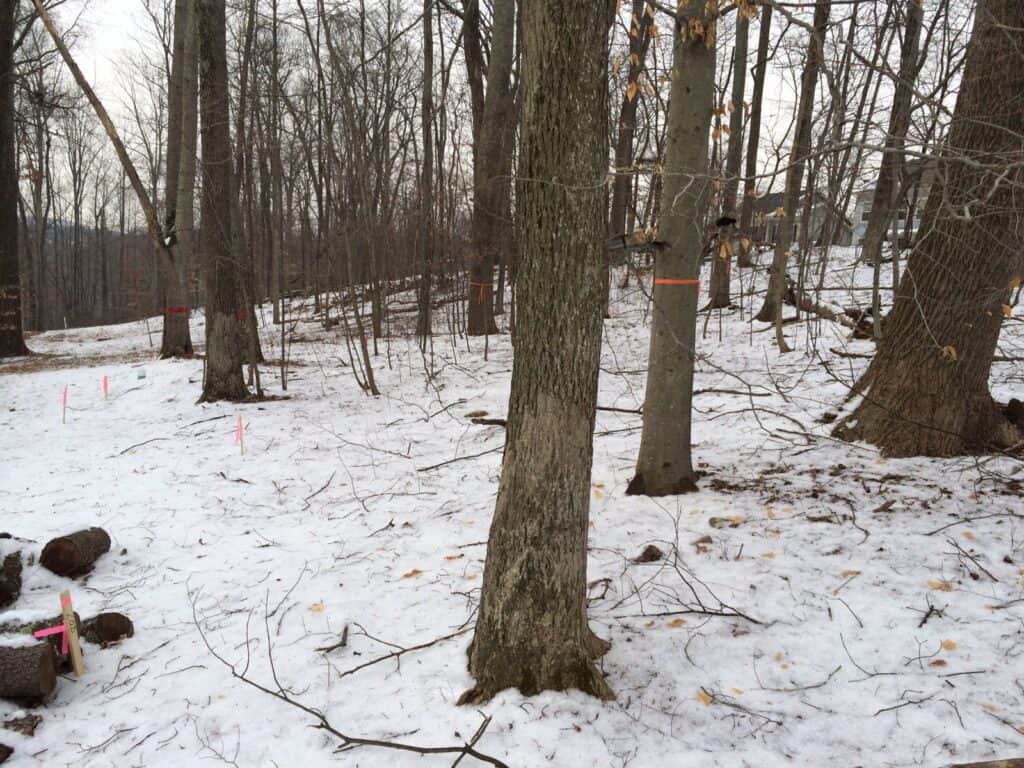
Before clearing day, our lot was flagged: pink stakes for the corners of the house and orange ribbons on every tree coming down. That’s your chance to ask whether a tree can stay, where the driveway lands, and which way the yard drains. Once the excavator shows up, those decisions are made.
5. Visit the site, often and safely
I went to that job site far more than our builder would have liked, and I’m glad I did. You catch things early, and you learn how your house is put together. Ask the builder how they want visits handled, stay out of the way of the crews, and wear real shoes. And yes, the kids came too.

6. Never skip the pre-drywall walkthrough
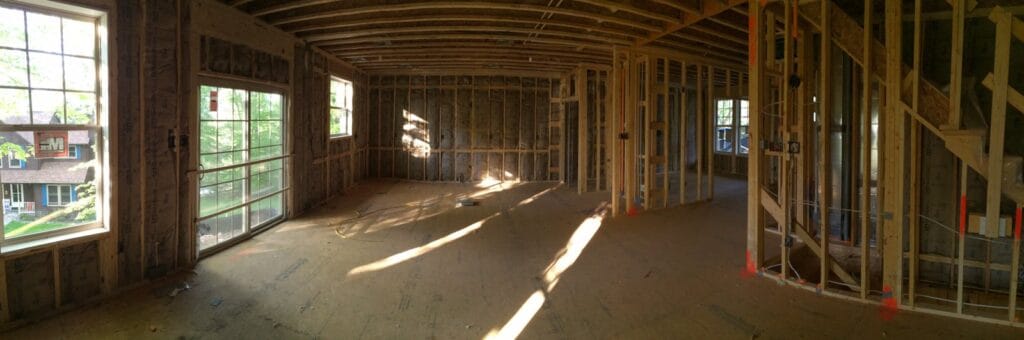
After the plumbing, electrical and HVAC are roughed in, you can see exactly where every outlet, switch, vent and drain is. On our build, the drywall went up five days after the insulation. Get the walk on the calendar early, bring the plans, and take video of every wall. Years later, that video tells you where not to drill.
At our walk, Jon wanted all the extras: blocking in the walls for mounting the TV, electrical conduit run everywhere and CAT5 cable run everywhere (today you’d ask for CAT6, or better yet empty conduit you can re-pull later). The build quality was lovely, so there wasn’t much to catch. What we did learn were the big little things: they cost almost nothing while the walls are open and save you headaches for years.
- Outlets in the eaves. Hanging Christmas lights is so much easier when there’s power right up at the roofline.
- Blocking where the curtains will go. An extra header or blocking above each window means you can hang curtain rods without drywall anchors.
- Wiring for under-cabinet lights. Even if you add the lights later, have the wiring run now.
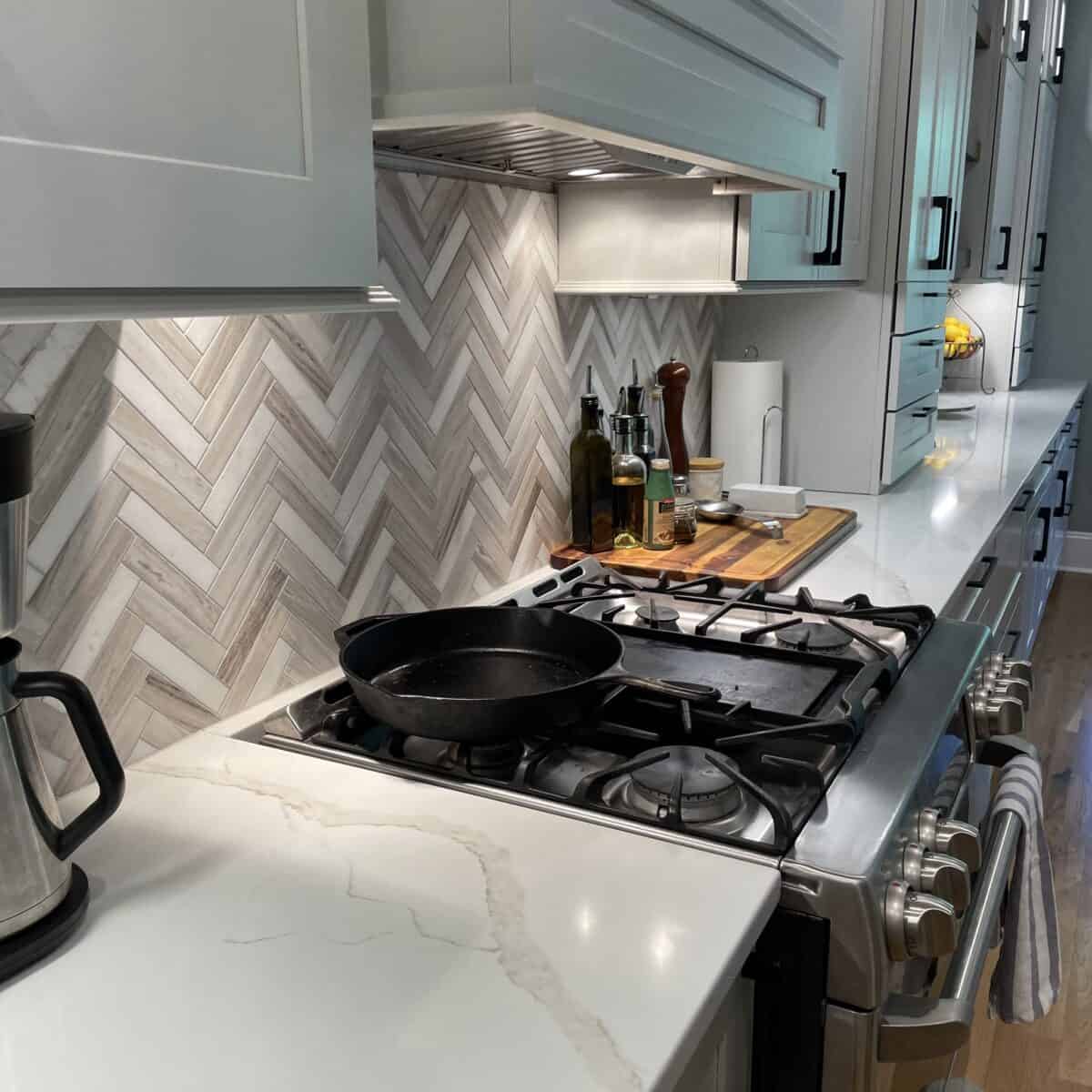
- The backsplash you actually want. Put it in from the beginning. We always dragged our feet doing it after.
7. Hire your own inspector, even on a brand-new house
New doesn’t mean perfect. The county inspects for code, and a private home inspector works for you. Many buyers do two inspections: one before drywall and one before the final walkthrough, while the builder can still fix things before closing.
8. Plan where you’ll live, then add a cushion
We rented for about nine months, and the rental was perfect. The storage unit was not: months of humidity rusted a lot of what we’d packed that was metal. Choose climate control if you can, and get a lease that runs past the builder’s estimated finish date or can go month to month. Here’s how long a build really takes.
9. Understand how your financing works during the build
Some buyers use the builder’s preferred lender, some use their own, and some use a construction loan. Ours was interest-only during the build and converted to a regular mortgage at the certificate of occupancy. Ask your lender how rate locks work on a long build and what happens if the timeline slips. I’m not a lender and this isn’t financial advice. Start with pre-approved vs. pre-qualified if you’re just getting started.
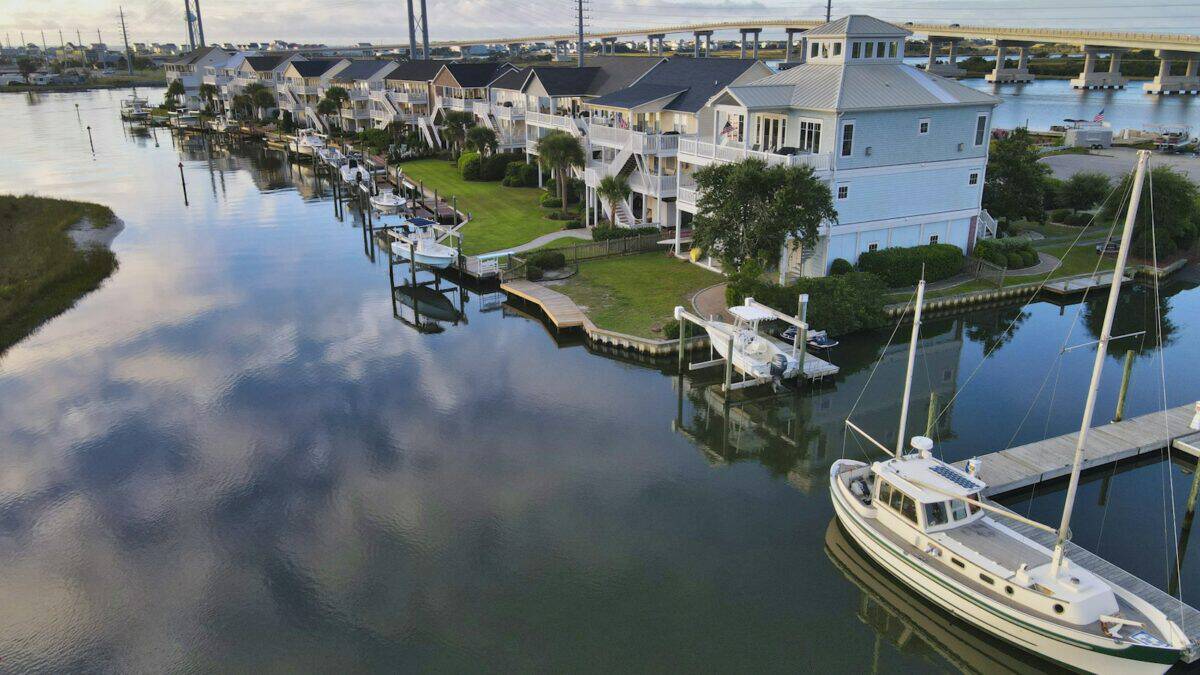
10. Building near Wilmington? Check the coastal basics for that exact lot
- The flood zone and any required elevation. Here’s what to check.
- How the builder schedules around hurricane season (June 1 to November 30). See our hurricane guide for buyers.
- HOA rules, fees and the architectural review process. See what HOA fees cover.
- Public water and sewer, or well and septic. It varies a lot across New Hanover, Brunswick and Pender counties.
Frequently asked questions
What should I know before building a new home?
Bring your own agent on your first visit, get the selections schedule and upgrade pricing early, walk the lot before it is cleared, do a pre-drywall walkthrough, hire your own inspector, and plan housing and financing for longer than the builder’s estimate.
Should I get a home inspection on new construction?
Yes. The county inspects for code, but a private home inspector works for you. Many buyers schedule one inspection before drywall and another before the final walkthrough.
Can I use my own real estate agent with a builder?
Yes. The on-site sales rep works for the builder. Many builders ask that your agent come with you or be registered on your first visit, so bring your agent from the start.
What is a pre-drywall walkthrough?
It is a walk through the house after plumbing, electrical and HVAC are roughed in and before insulation and drywall cover the walls, so you can confirm outlet, switch, vent and fixture locations while changes are still easy.
Keep exploring
See every stage of our build in photos, then browse new construction communities and builders near Wilmington.
A quick note from me

These are the tips I wish someone had handed me on day one! If you’re dreaming about building near Wilmington, I’d love to be on your side of the table, from your very first model home visit all the way to your final walkthrough.
Talk soon,
Tabi
Dreaming about building your own slice of the coast? Let’s find your home between the river and the sea.
Tabetha Klein, REALTOR® | Coldwell Banker Sea Coast Advantage
This article is general information from my own experience, not legal, lending or tax advice. Tabetha Klein, REALTOR® | Coldwell Banker Sea Coast Advantage · 910-983-8963 · www.makingilmhome.com. Each office is independently owned and operated. Equal Housing Opportunity.