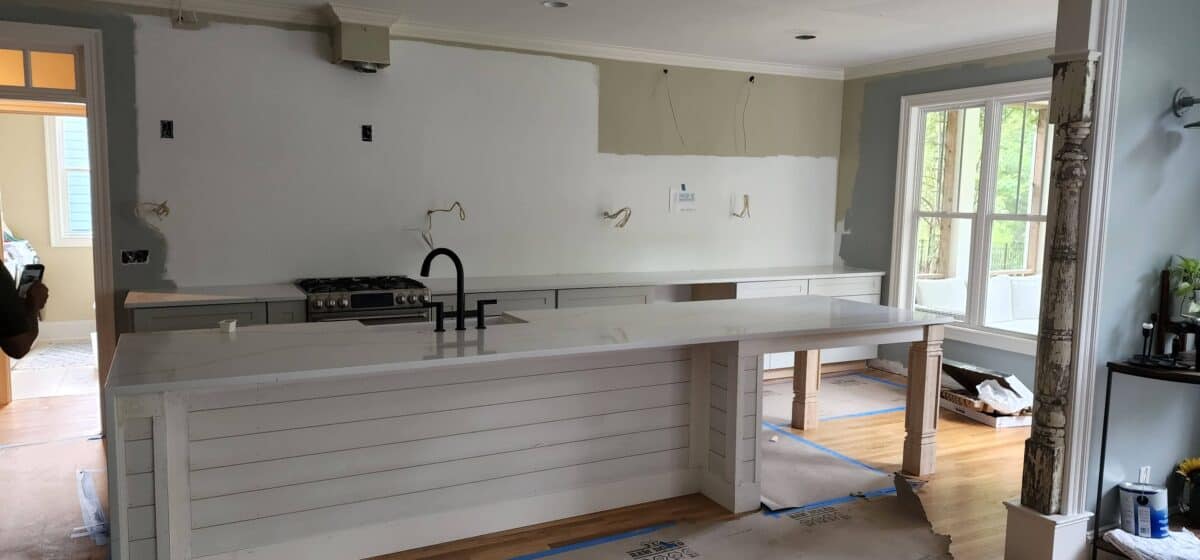
Living without a kitchen during a remodel is one of those things nobody really prepares you for. And I say that as someone who has done it three different ways. 😅 We’ve lived right through a kitchen remodel, set up a backup kitchen in a basement, and moved out to a rental while a house was built from scratch. Here’s what each one was really like, what I’d do again (and what I’d never do again), and the tips that got us through.
The short answer: you can live without a kitchen during a remodel by setting up a mini kitchen in another room (a microwave, an Instant Pot, a coffee maker and a stack of paper plates go a long way), washing dishes in a laundry or utility sink, cooking outside as much as possible, and budgeting for more takeout than you think. If you can, keep the everyday tools you use most unpacked, box up everything else, and seal off the construction zone with plastic to fight the dust.
Our 3 setups at a glance
| House | How we did it | How long | Would I do it again? |
|---|---|---|---|
| Wilmington (kitchen remodel) | Lived right through it, with a mini kitchen in the dining room | About 2½–3 months | Yes. It was chaos, but it was the easiest option for us. |
| Frederick (whole-house renovation) | Lived in the basement, with a backup kitchen at the old basement bar | The length of the main-floor renovation | Never again. 😂 |
| Lake Linganore (new build) | Moved out to a rental. It had a kitchen, but about 80% of our stuff stayed packed. | About 9 months | Yes! The rental was perfect. The surprises came from storage. |
Setup #1: Living right through it (Wilmington)
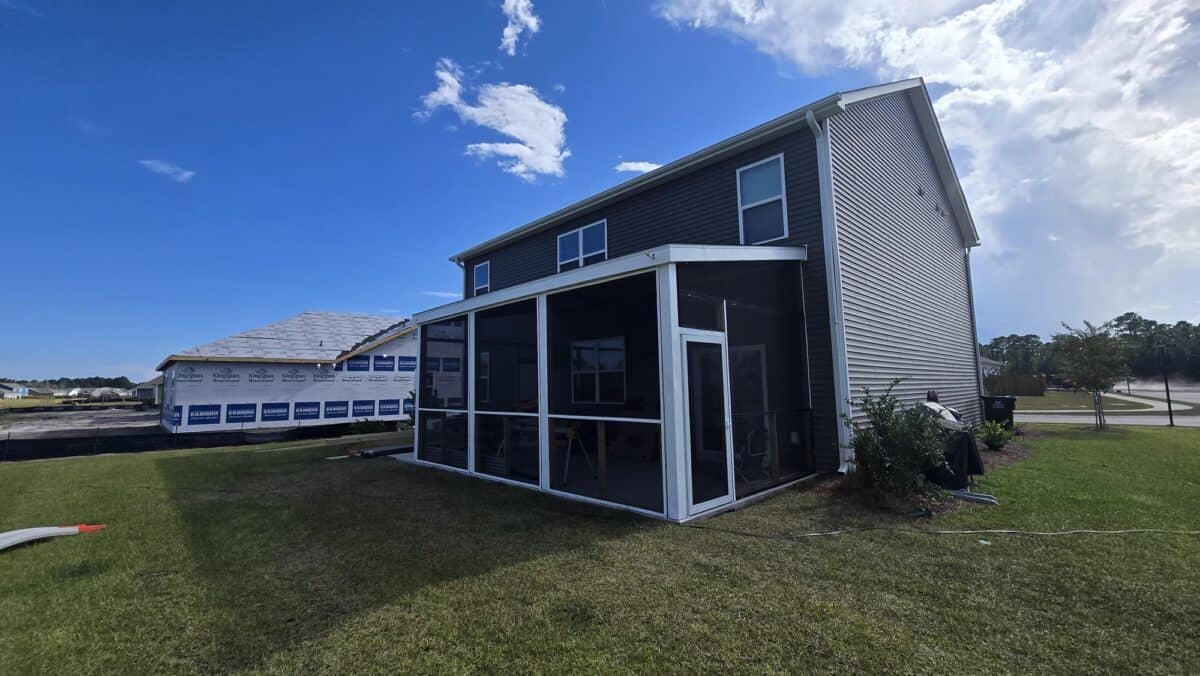
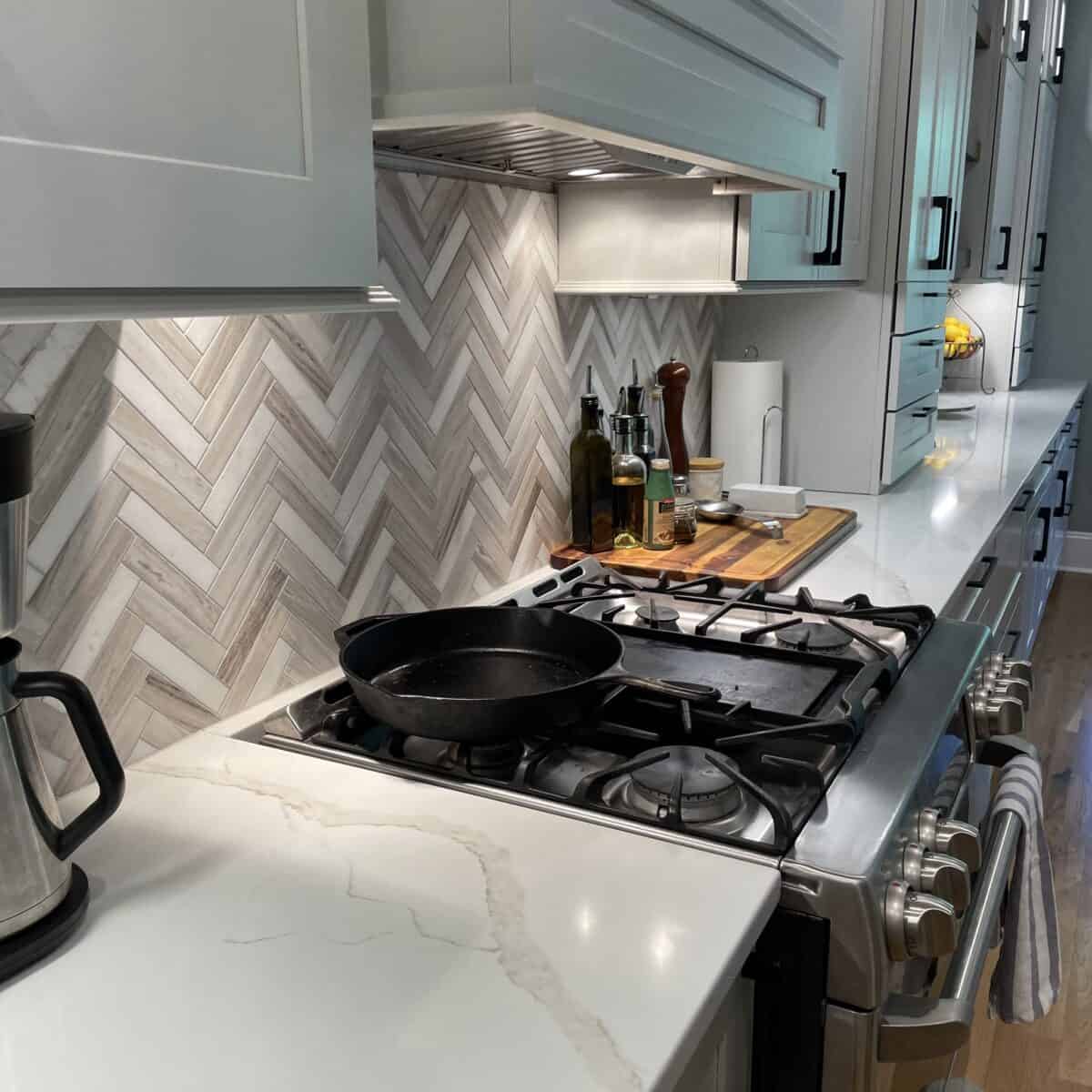
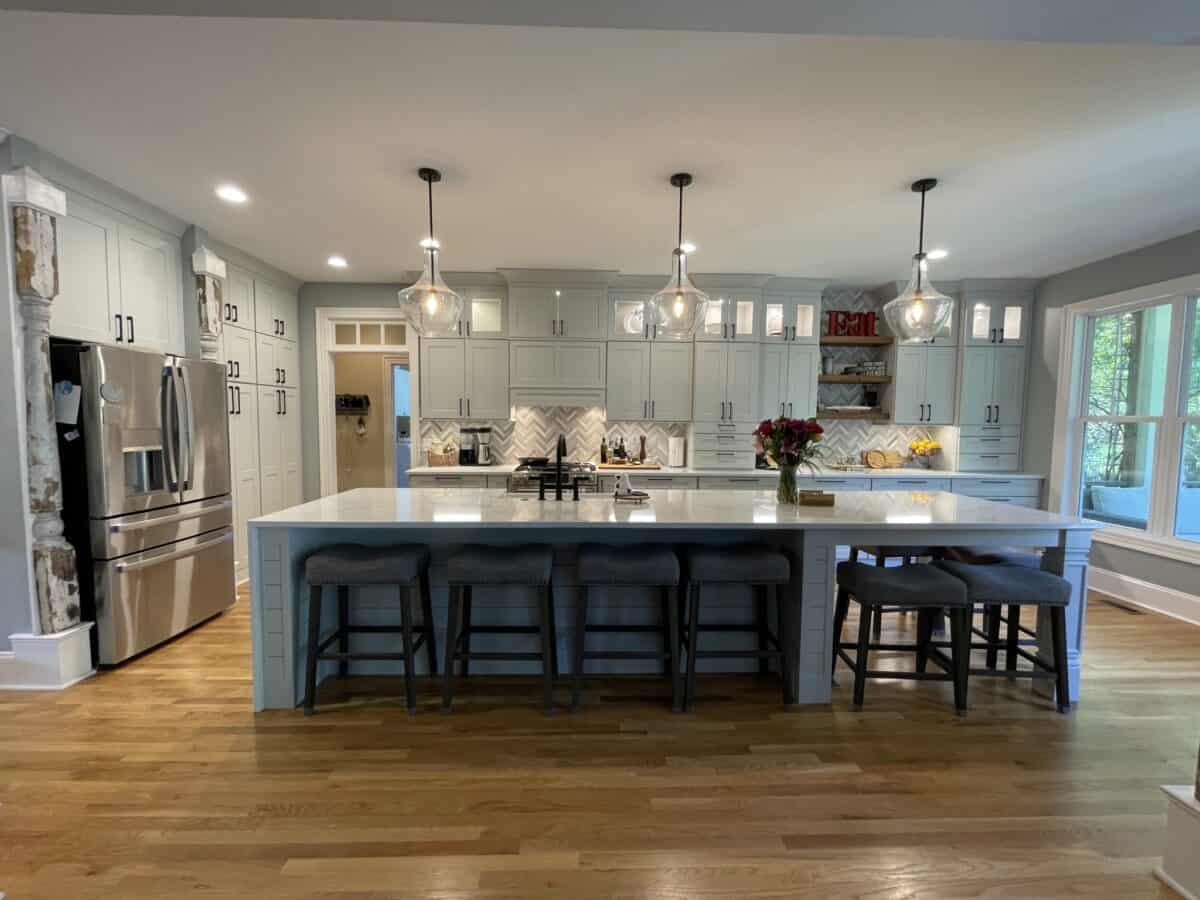
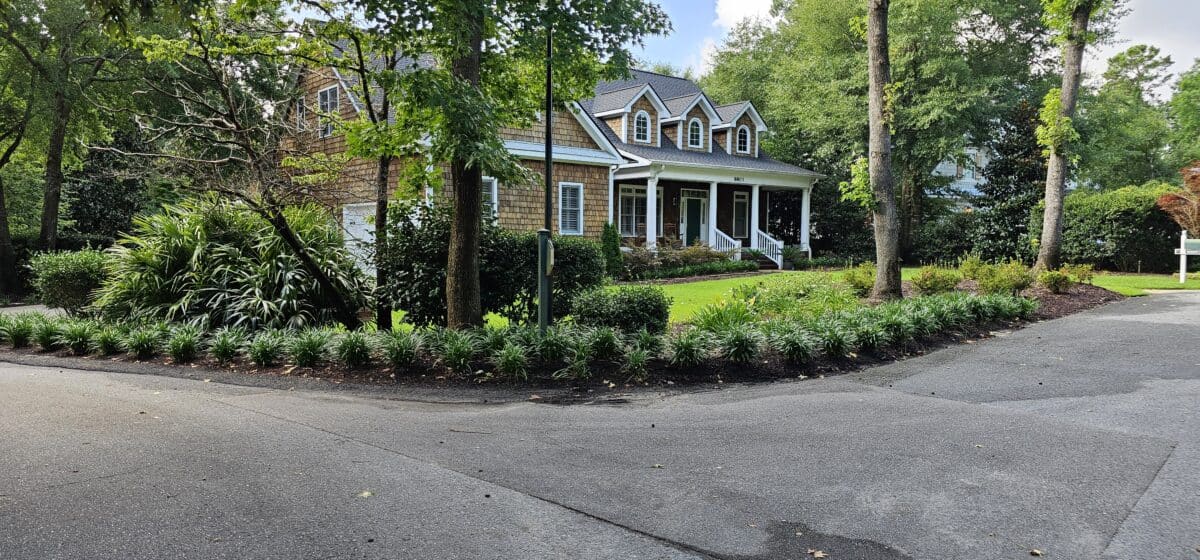
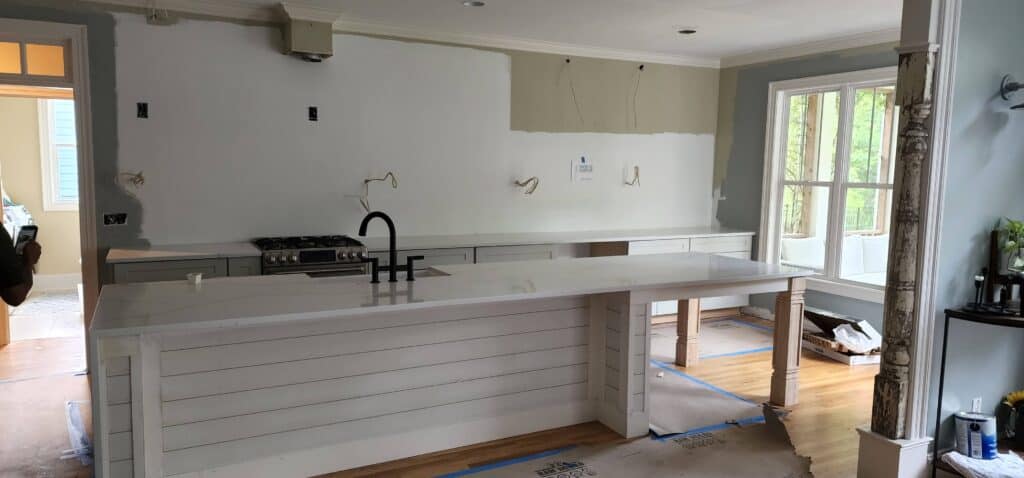
We’d only been in our Wilmington house about six months when we decided to redo the kitchen. We were just getting settled, so moving out wasn’t an option. Honestly? It was a disaster to stay home. But it was absolutely easier. (You can see how the kitchen turned out, and what the whole thing really cost, in its own post.)
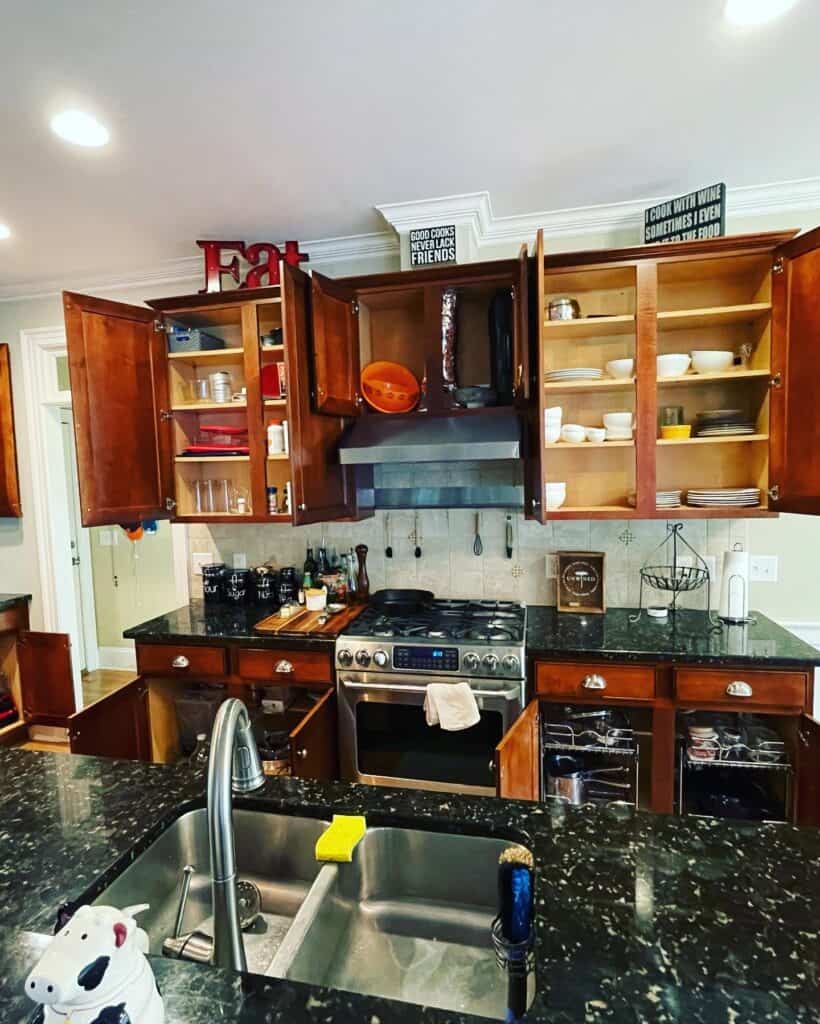
Our dining room “kitchen”
I popped out folding tables in the dining room and set up shop: a pile of paper plates, napkins, silverware, ramen noodles, the microwave, the Instant Pot, the Crock-Pot and (obviously) the coffee maker. We used paper plates 100% of the time, so the only real dishes were pots and pans. Those got washed in the laundry room sink, which worked just fine.
Our fridge situation was less fine. We used the garage fridge, which meant walking through the construction zone every time someone wanted a snack. Learn from me: if you can, put a fridge somewhere you don’t have to cross the job site to reach.
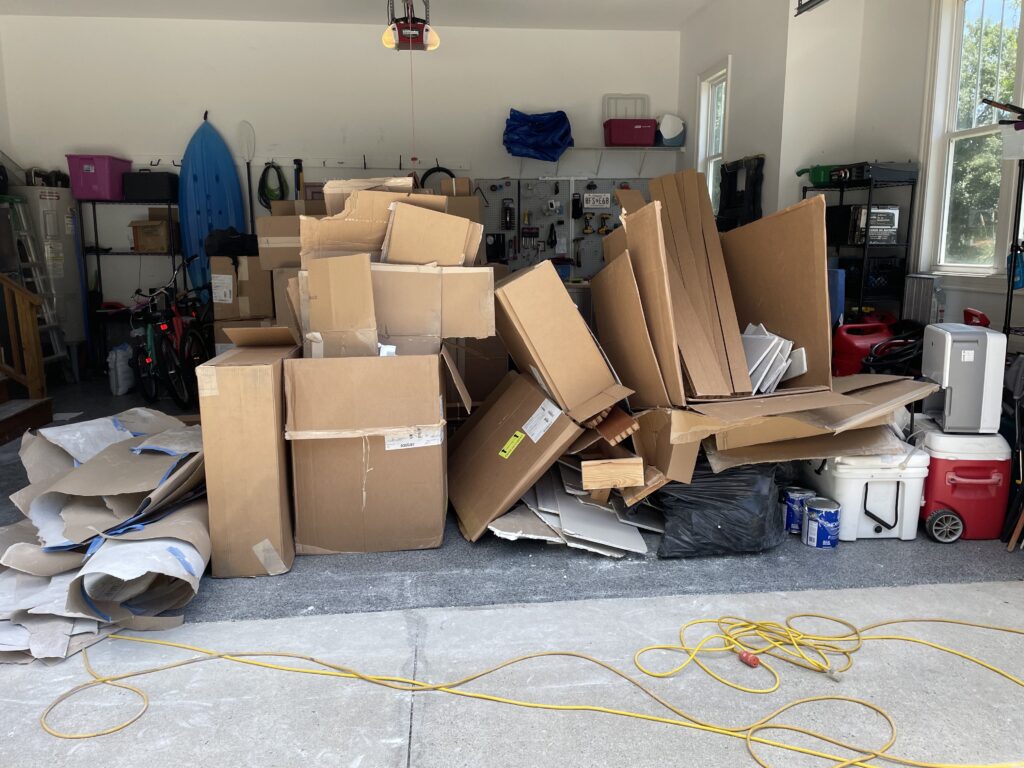
A chef in exile 👩🍳
Here’s the funny part. I went to culinary school, and for almost three months I couldn’t cook much of anything inside my own house. So we went outside. Our smoker basically became our oven. Costco lasagnas baked on the smoker came out perfect, and we grilled just about everything else.
We also leaned on Costco’s premade dinners, especially the salmon with butter pesto. I loved it so much that I later made my own version, and you can grab my easy baked pesto and butter salmon recipe over on Tabetha’s Table. (If you’re turning your smoker into an oven too, my smoked chicken thighs are a great place to start.)
And yes, we ate out. A lot. Pizza delivery, quick dinners out, super simple meals. I honestly can’t give you one clean number, because it swung with the day: on a rough day, we’d turn dinner into a date night and spend a little extra, and on a day we’d just dropped a bunch of money on tile, it was a slice from Slice of Life. My advice? Give your remodel budget its own line for food, because it adds up faster than you’d think. Doing the project in the spring helped, too, because we could actually cook and eat outside.


Contractors, chaos and one very helpful dog
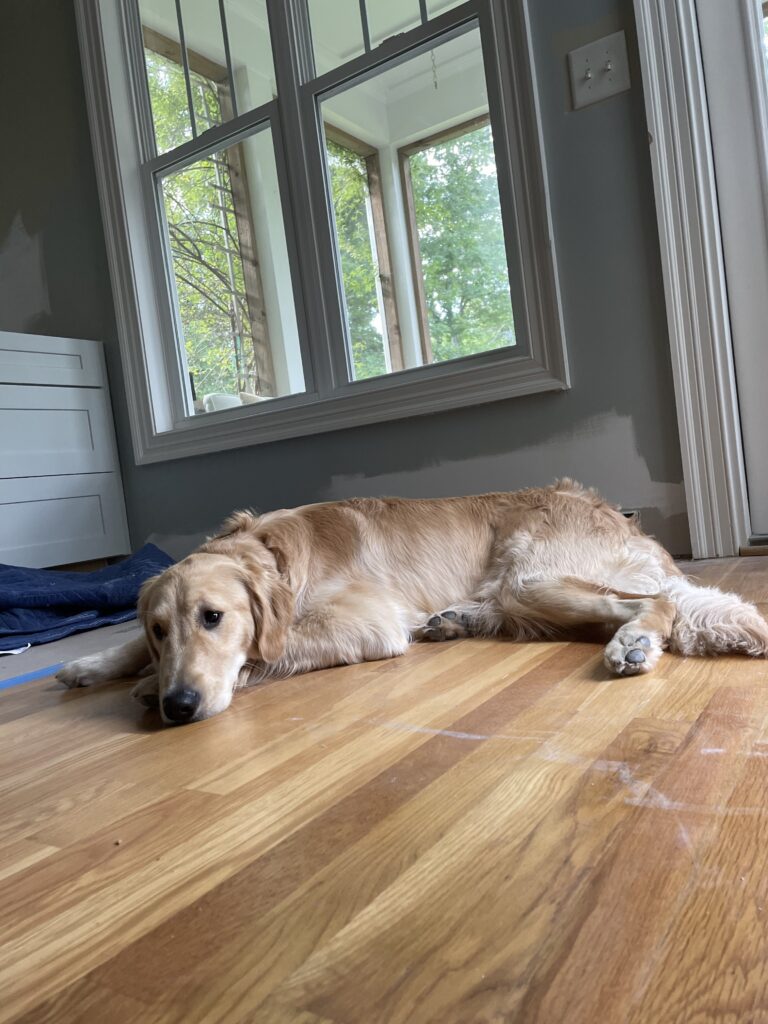
There were constantly people in our house. We’d hope the crew would show up. Sometimes they didn’t. Sometimes they were late. That’s just the reality of contractors. The dogs barked all the time. Well, the dog: this was before Maple, so it was just Goose, and Goose wanted to be under every single contractor’s feet all day long. 🐾
The hardest part (it wasn’t the mess)
By the time we did Wilmington, I was pretty seasoned at living through construction. The hard part for me was the final details and making sure the vision came out exactly the way I pictured it. Our contractor handmade the wooden shelves, and I was terrified he’d get them wrong. (He didn’t. Phew.) After months of chaos, those last few finishing touches are what make it feel like yours, so that’s where I’d put your energy.
Setup #2: The basement kitchen (Frederick)
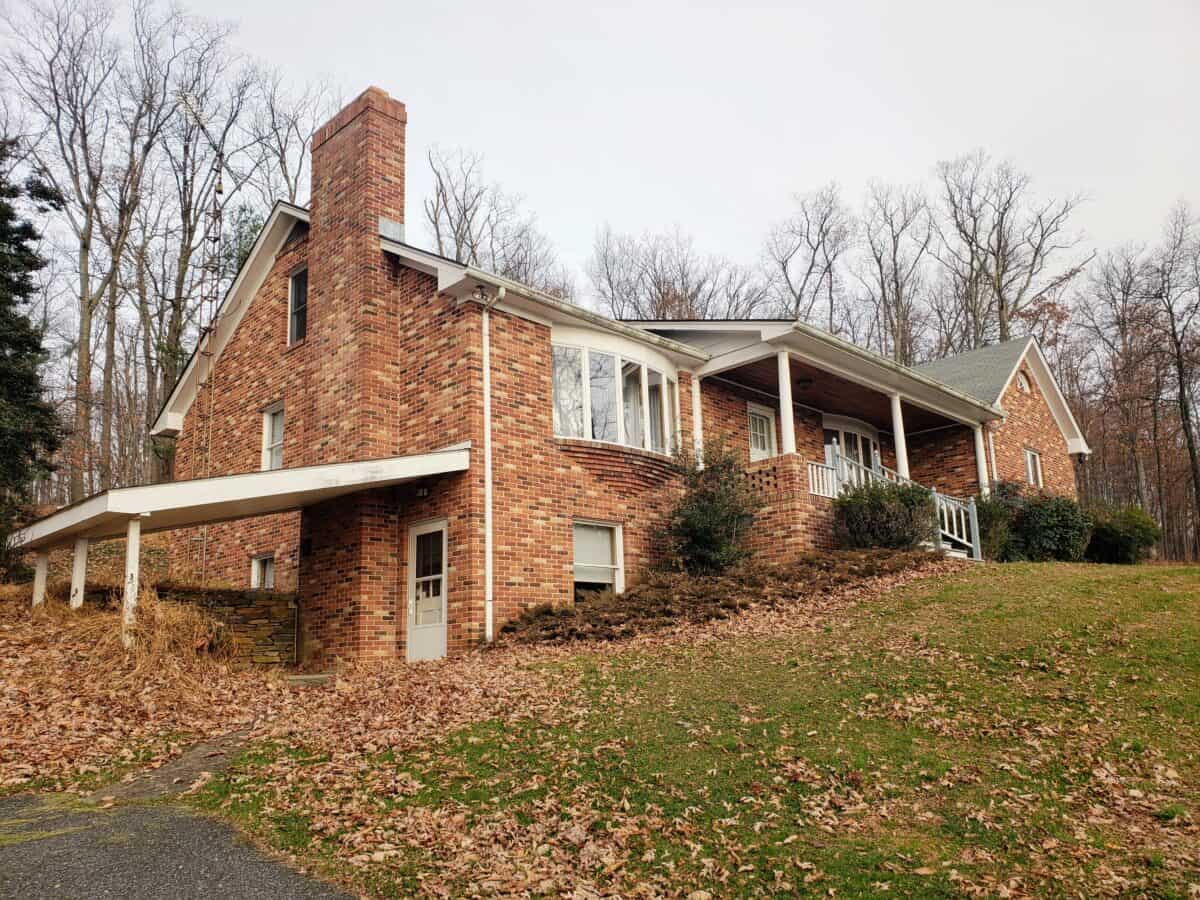
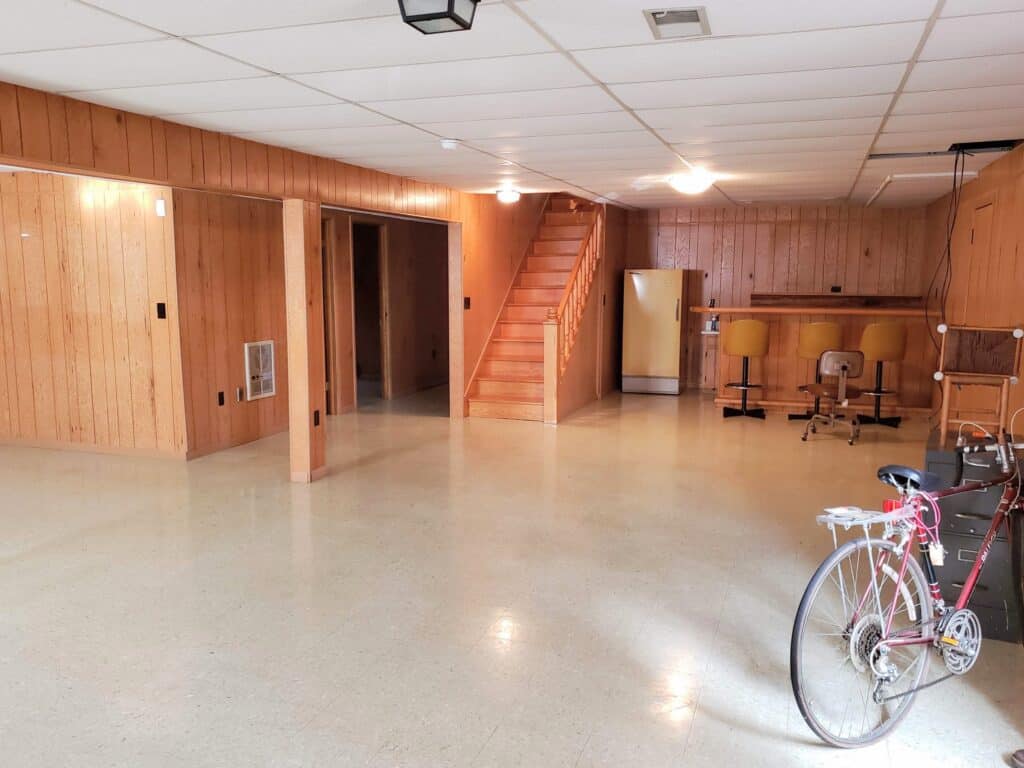
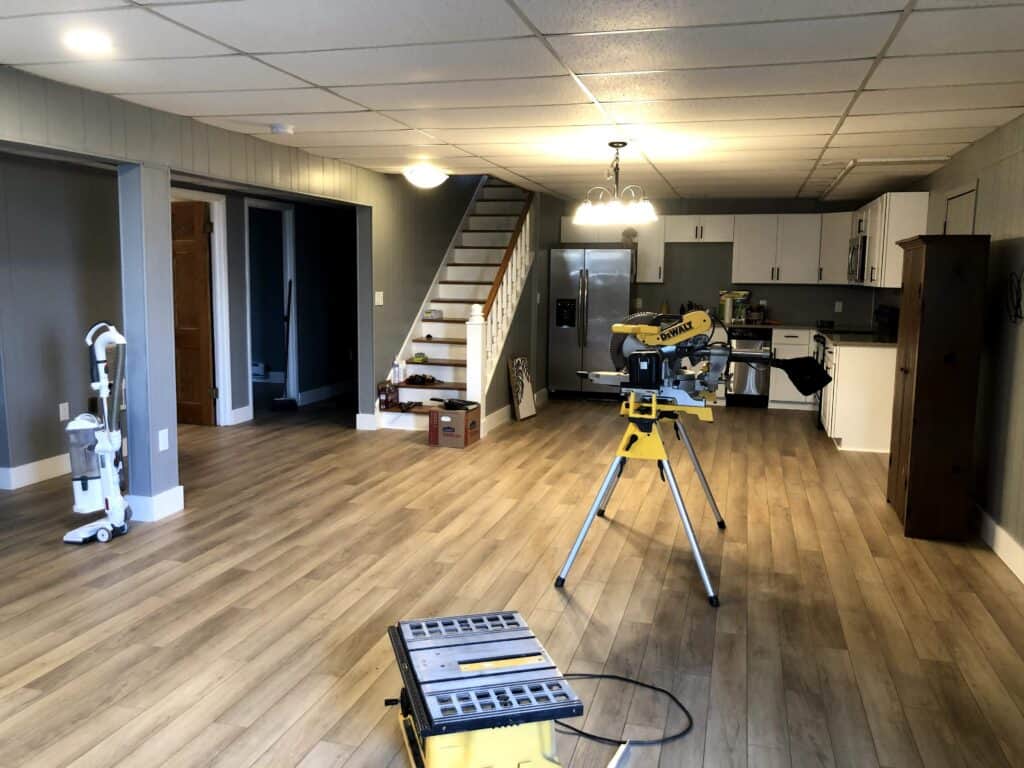
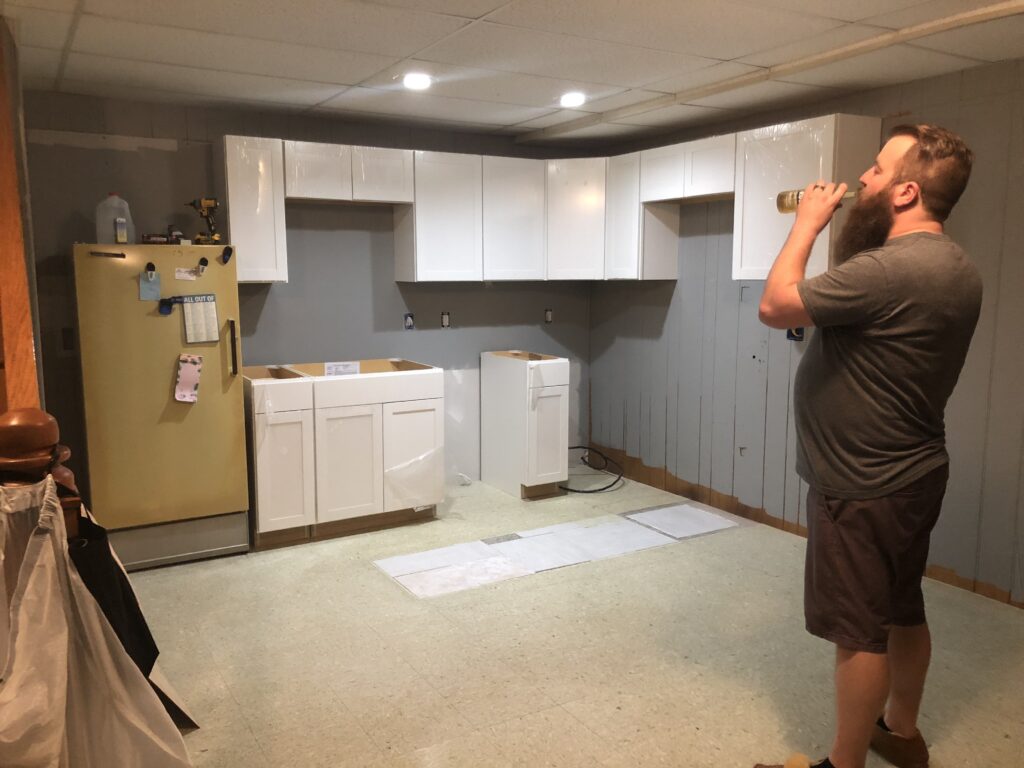
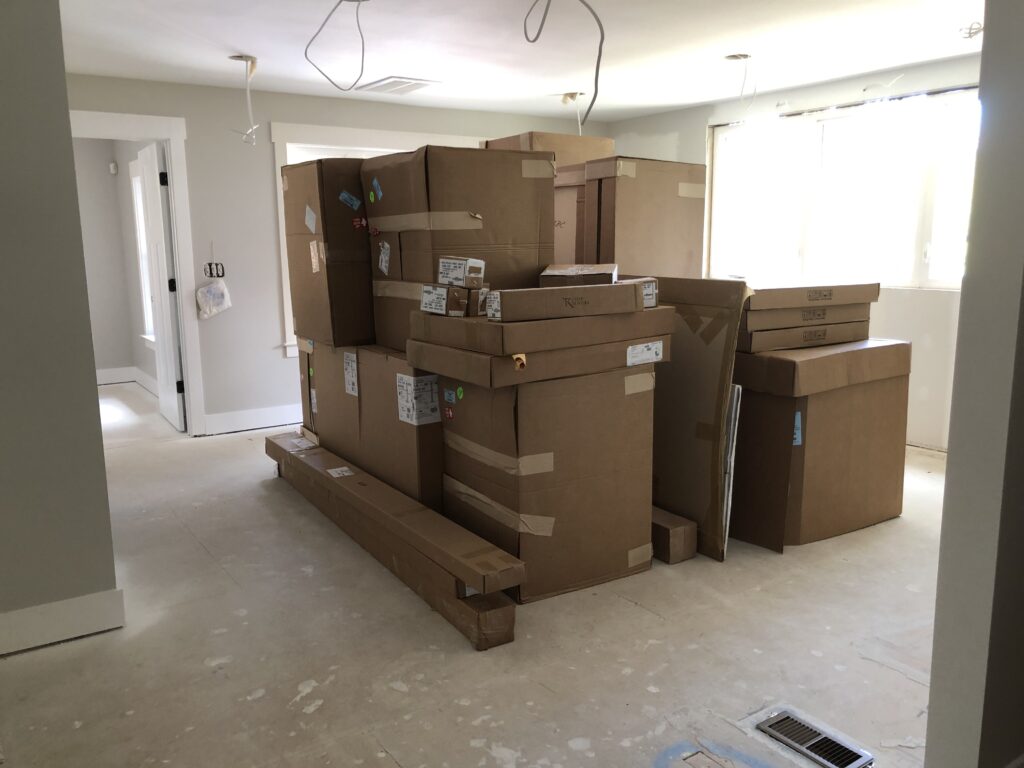
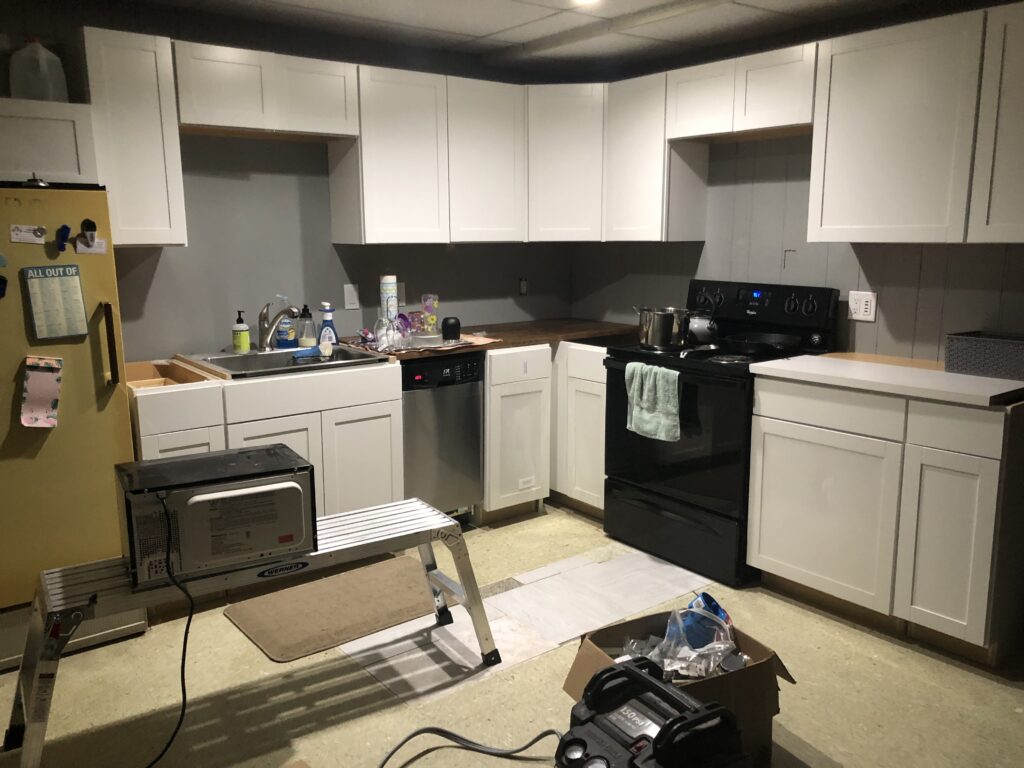
Our 1970s rancher in Frederick was a whole-house project (you can see the full before and after here). The plan was always to live in the basement while the main floor was being done. There was already a bar down there with plumbing, so we just needed a little electrical work and it was set up and ready to go. The kitchen part of the transition honestly wasn’t the worst.
Everything else was a lot. We moved, set up the basement kitchen, and did some of the demo ourselves, all at the same time. The kids shared bedrooms, and our bedroom was the basement living room.
Construction over your head (literally)
Living in the basement worked, but it was not ideal. The construction was happening right over our heads the whole time. When the crew ran new plumbing for the primary bathroom, they had to move the drop ceiling tiles right over where we were sleeping. Fifty years of mouse droppings and dust came down with them. Not great. Not great at all.
When the start date slips
I wanted work to start the day we moved in. Instead, we started about two months behind schedule. To keep me happy, our builder dropped off a dumpster so I could start the demo myself. It saved us a little money (not a ton), and it gave me somewhere to put all my frustration. 😂
The basement kitchen stayed after the renovation, and that space became a cozy spot for friends and family who needed a quick place to stay. Would I do it again? Nope. Of our three setups, Frederick was by far the hardest, both emotionally and physically. It was just too much all at once.
My advice from Frederick: be prepared for chaos. Be prepared for nothing to go exactly as planned. You’ll make last-minute decisions. Something will go out of stock or get backordered. The color you were sure about won’t look right once it’s up. Build some flexibility into your timeline and your patience.
Setup #3: Moving out (Lake Linganore)
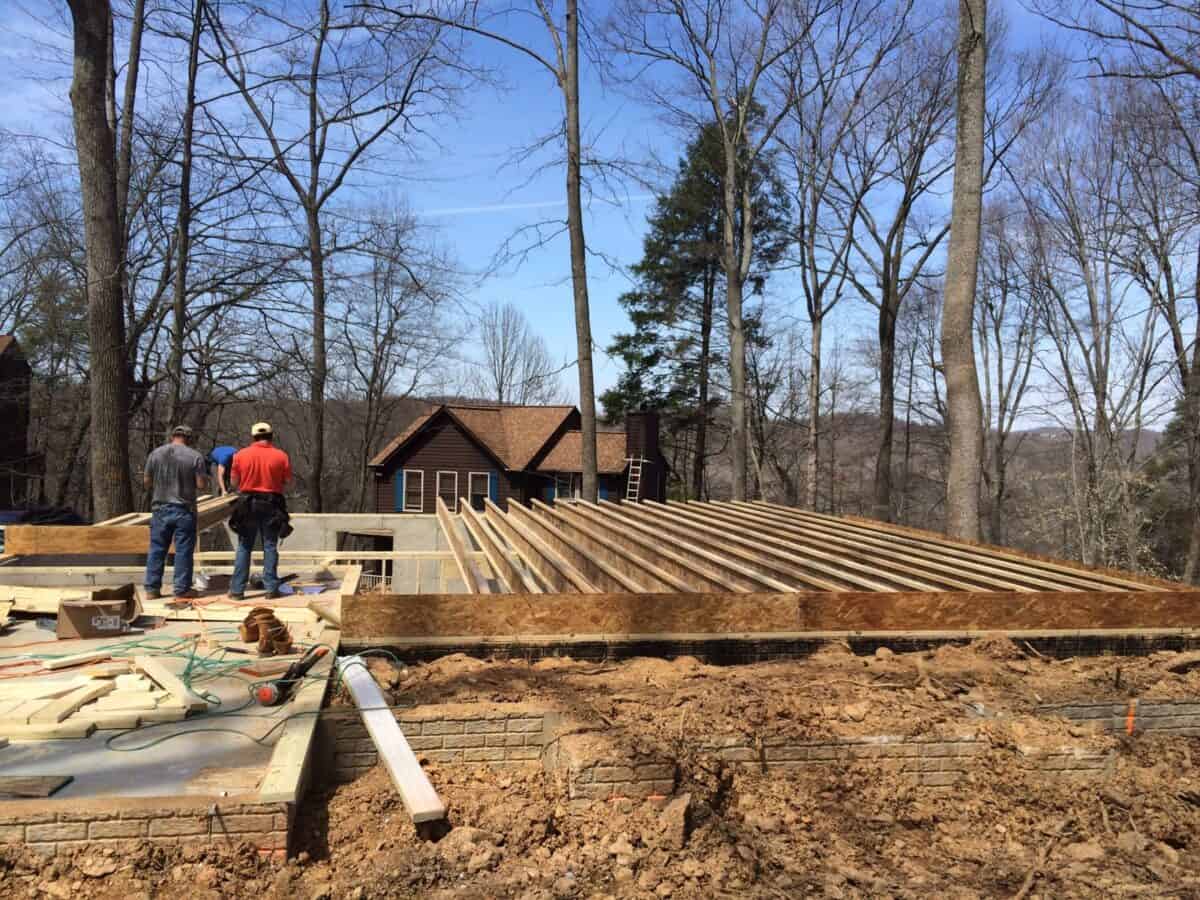
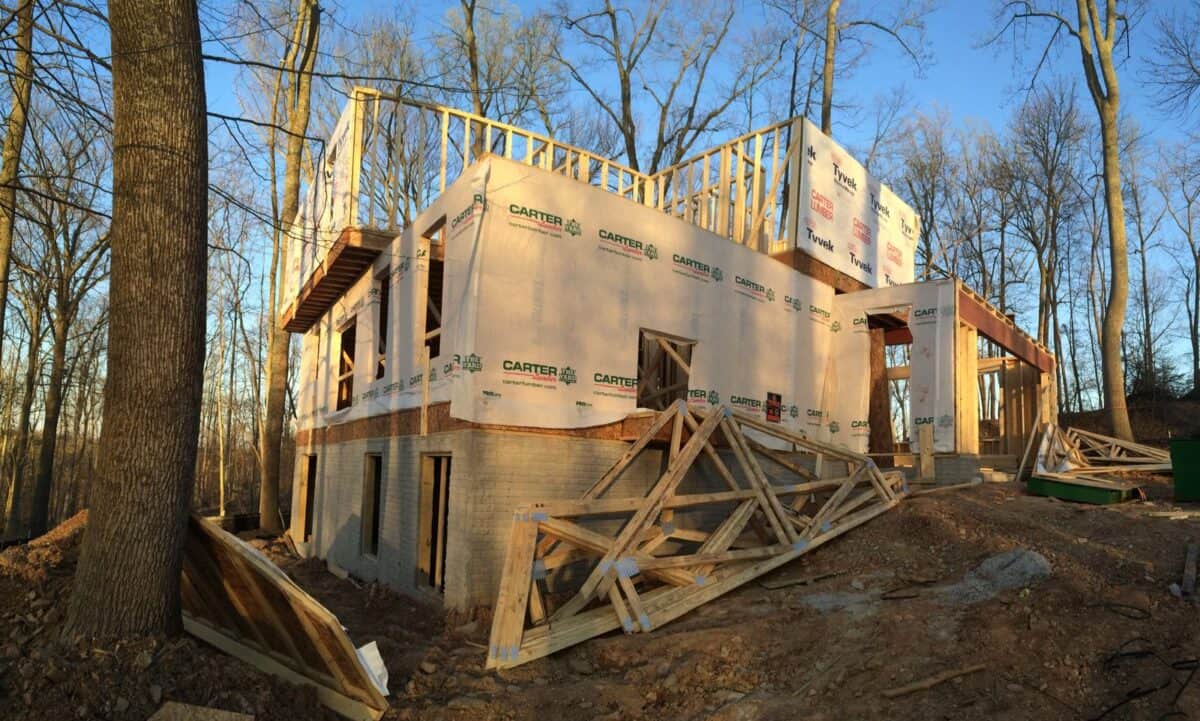
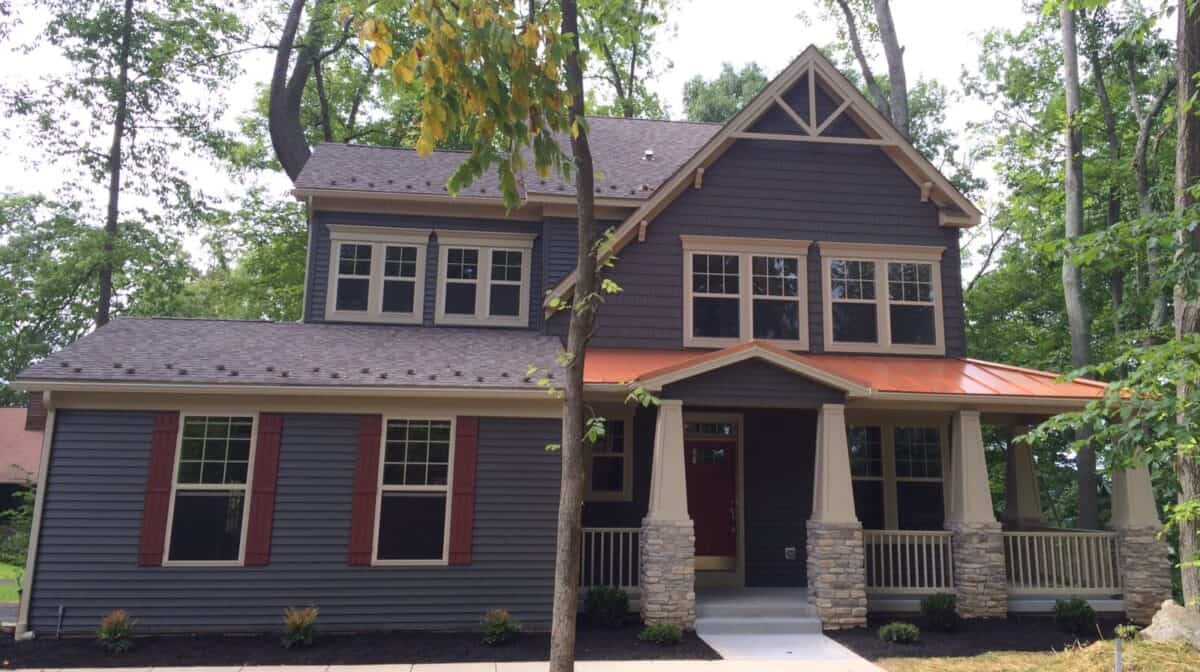
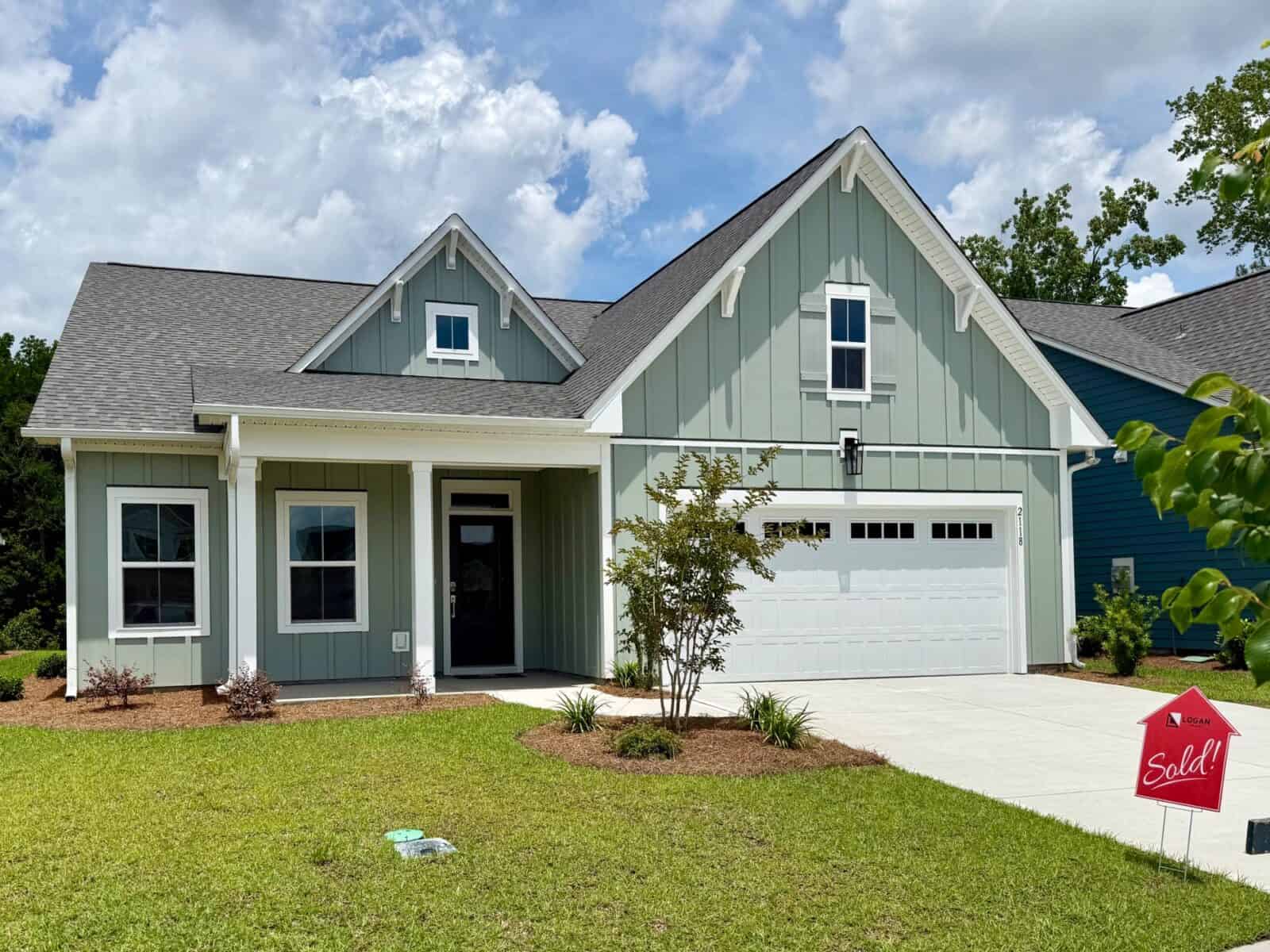
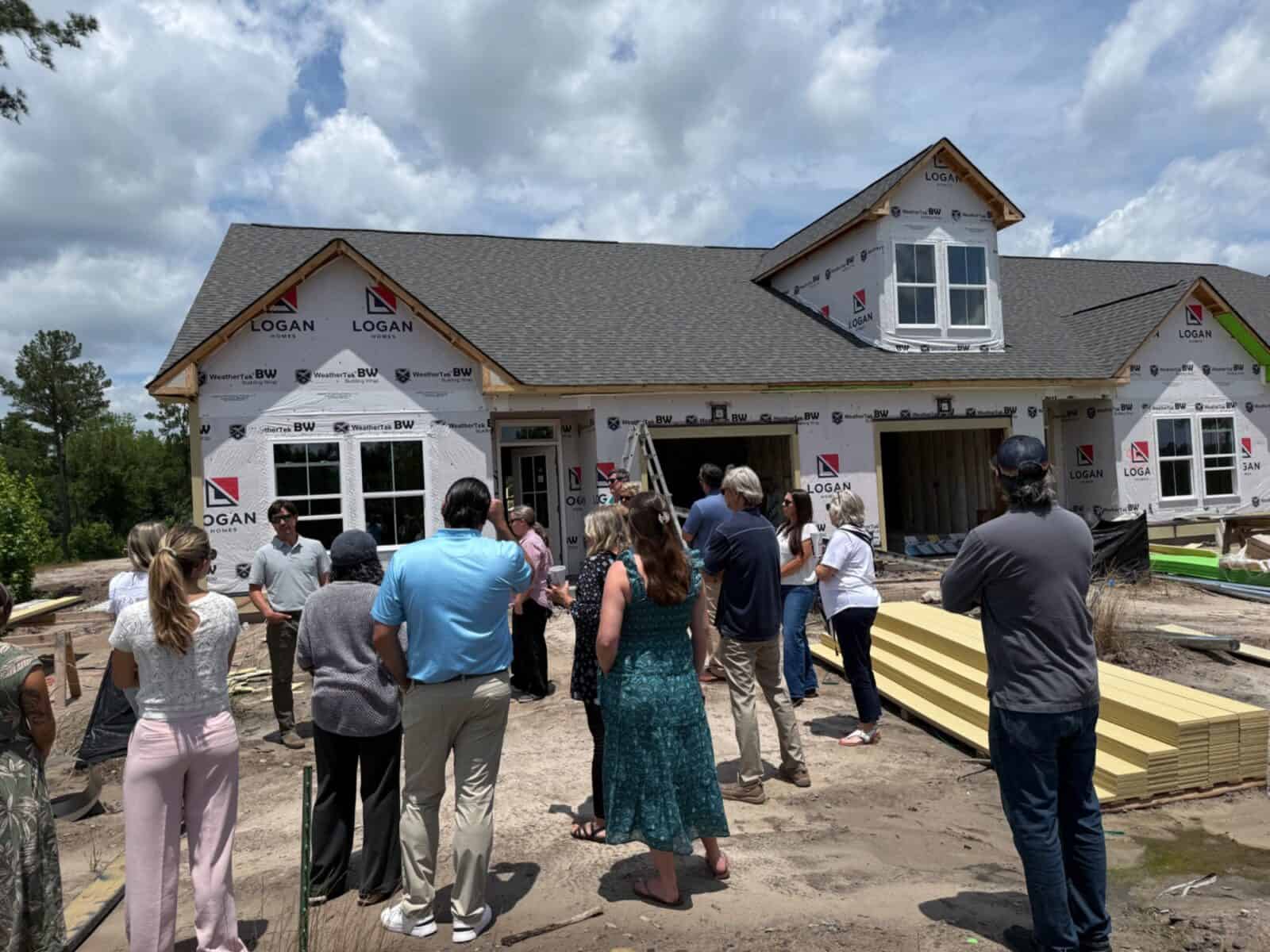
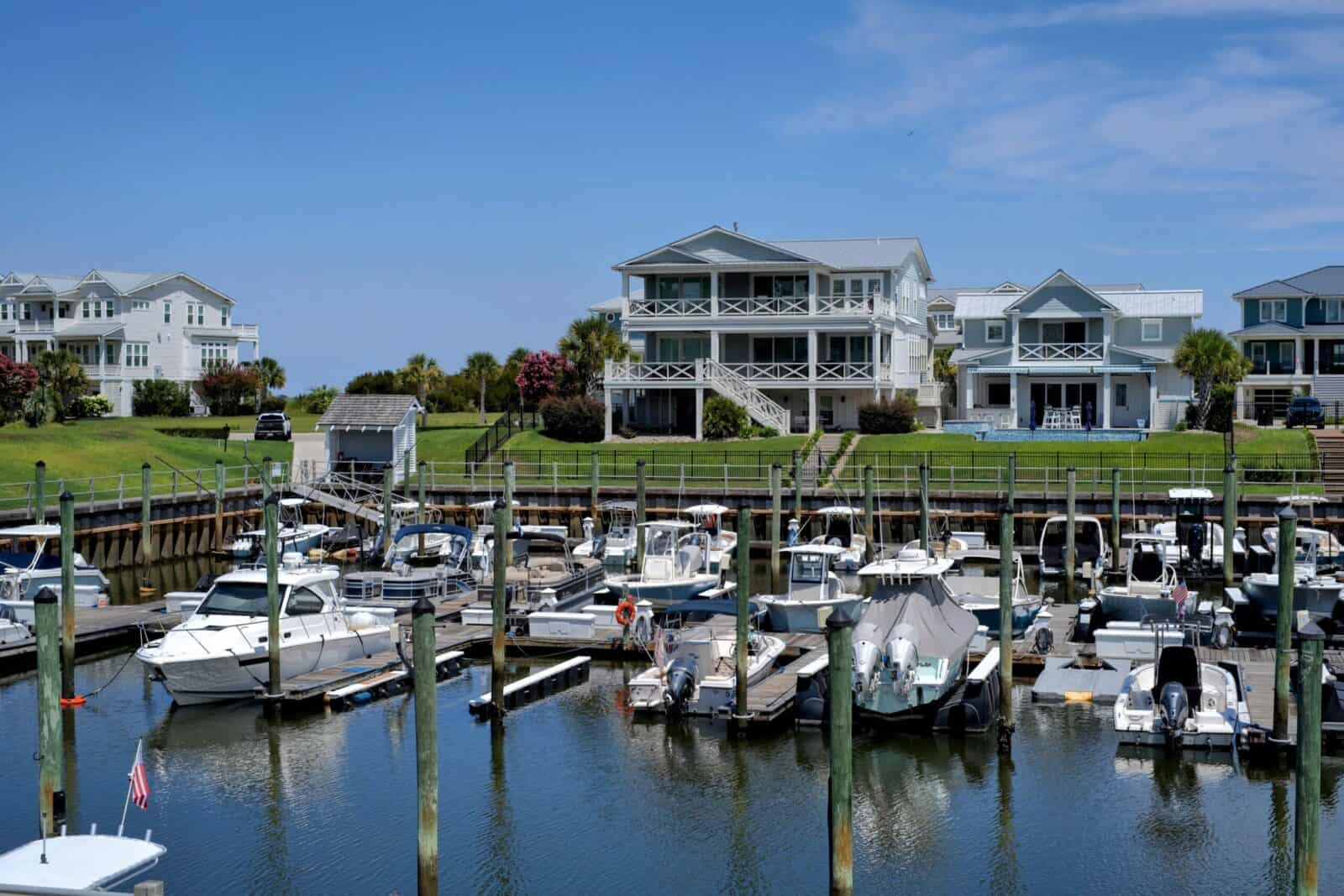
When we built Lake Linganore from scratch, we lived in a rental for about nine months: a six-month lease, then month-to-month until the house was done. To be clear, this one wasn’t actually kitchen-less. The rental had a perfectly good kitchen. What we were living without was most of our stuff: for nine months we lived with about 20% of our things, and the other 80% stayed packed. Living somewhere else completely takes the construction chaos out of your daily life. The rental itself was honestly perfect. Our landlord was flexible and so nice, and I have zero complaints. The surprises came from everything else.
Storage can go sideways
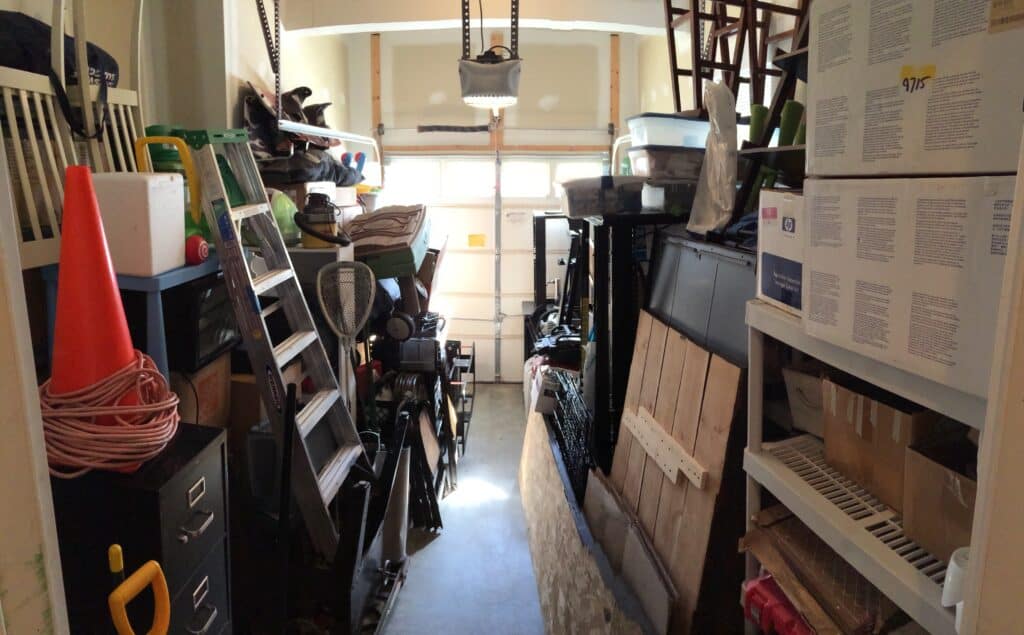
We packed that other 80% into the garage in the most beautiful game of Tetris you’ve ever seen. Then moisture got in. Almost everything metal ended up weirdly corroded and rusted. An aerosol can got punctured somewhere in the stack and left rust all over a rug. I hated that. So dumb.
Lesson learned: if your things will sit in a space that isn’t temperature controlled, plan for humidity. Pull out aerosols and chemicals and store them separately from everything else.
Paying for two places
For us, the construction loan was interest-only until it converted to a regular mortgage when the house was done and we got the certificate of occupancy. Rent in the meantime was about what we’d been paying on the mortgage at our last house, so the overlap was manageable. Every loan is different, so ask your lender exactly how payments work during the build.
Visit the site (a lot)
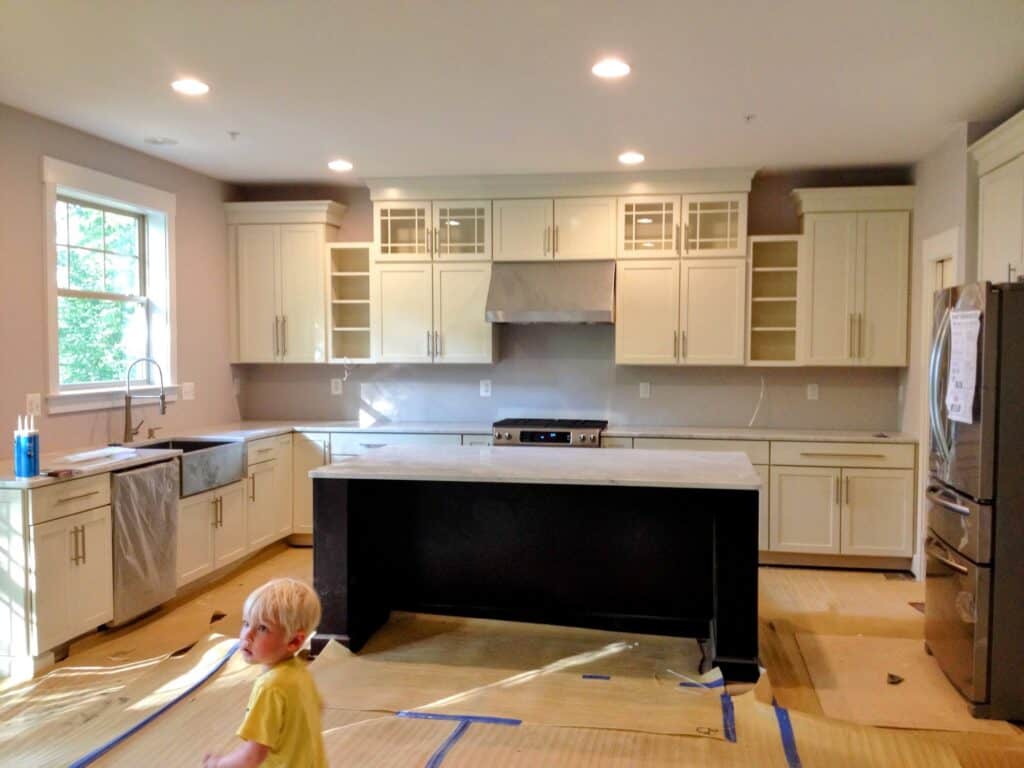
We were out there far more often than our builder would have liked, and it paid off. I caught several things that weren’t right, and the biggest one was the trim above the doors. We’d worked so hard to spell out exactly the detail we wanted, and when I showed up, it wasn’t right. Our builder met us out there, and we got it fixed. Even when you’re not living in the mess, you still have to be the one who notices.
My 3 survival rules for any remodel
- Be patient. Something will be late, backordered or not quite right. It happens on every project.
- Know it’s a whole process. Demo day is exciting, but there are a lot of steps between the mess and the finished kitchen.
- Stay on top of your contractors. The kind squeaky wheel gets the grease. My go-to move? “I have snacks and Gatorade and cookies!!! …Please get these cabinets up tomorrow.” 🍪😂
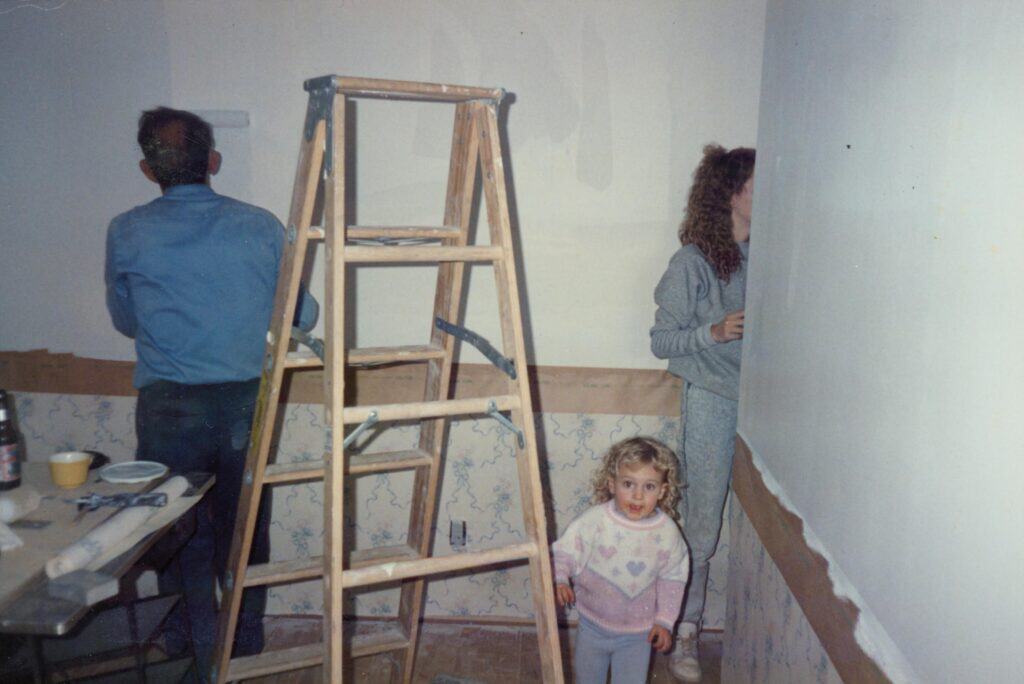
My makeshift kitchen kit: what to keep out (and what to pack first)
Here’s the easiest rule I know: think about what you pull out of the dishwasher all the time, and don’t pack those. For us, that meant keeping out:
- A garlic press
- A good set of kitchen knives and a cutting board
- Mixing bowls
- Grilling gear, including skewers for kebabs (we used the wooden ones most)
- The microwave, Instant Pot, Crock-Pot and coffee maker
- Paper plates, napkins and silverware
- Folding tables for a counter
Pack first: all the baking gear, the holiday and Thanksgiving stuff, and anything that would be a challenge to cook with or use without a real kitchen. Straight into the box.
The dust: the thing I warn every friend about
I’ve been around construction long enough that very little surprises me. But if a friend asked what to worry about, I’d say one word: dust. Dust everywhere. Dust on everything. Dust in rooms nowhere near the kitchen. Dust upstairs from work happening downstairs. Little dust footprints from room to room.
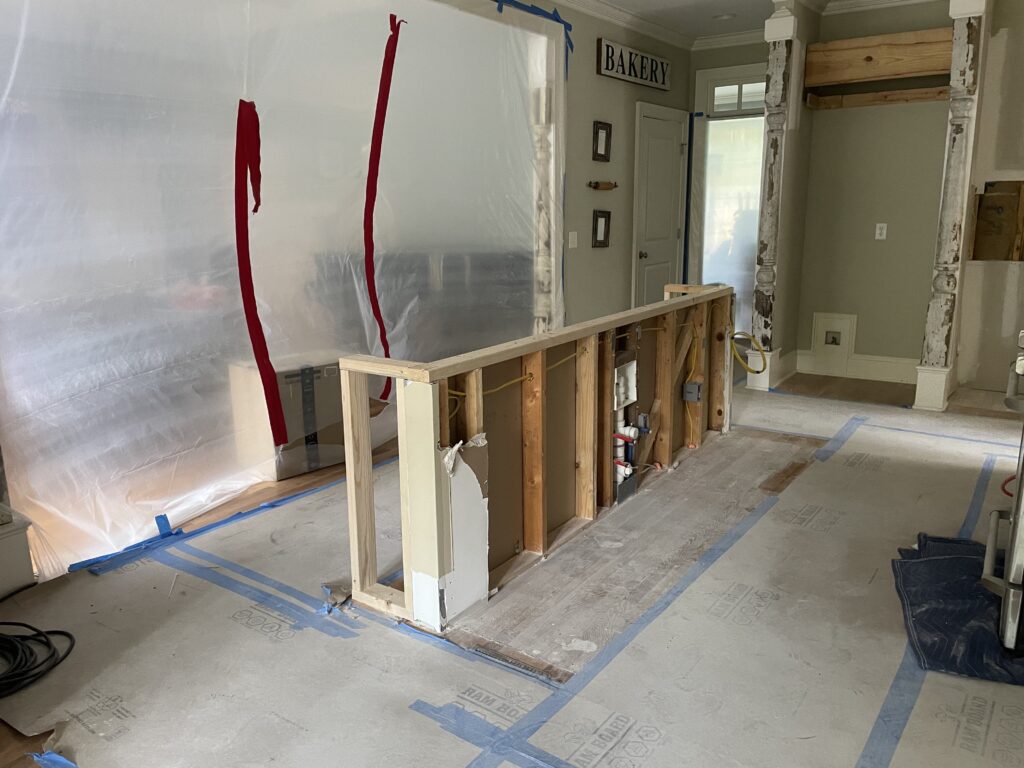
Ask your contractor to put up plastic and tape, hazmat style. Make it look like a CSI crime scene. Seal it off as best you can. I also moved a lot of our things into the guest bedroom, kept the door shut, and put a towel along the bottom. That room stayed about as clean as anything could. Just know that plastic helps, but it will not make the dust go away.
Can you rent a temporary kitchen? (Yes, and I love this idea)
This option didn’t exist when we did ours (at least not that I knew of), but some companies now rent out full kitchen trailers that park in your driveway during a remodel. For example, Rent a Kitchen of NC, based in Hickory, lists trailers with a four-burner gas range, microwave, dishwasher, French-door fridge, farmhouse sink and butcher-block counters. Their site listed special rates of $450 a week or $1,700 a month when I checked in September 2026, plus a delivery fee.
They typically need an outside faucet, a 30-amp dryer or RV outlet, and access to a sewer cleanout. Wilmington is well outside their standard 100-mile delivery area, so you’d need a custom quote. If you’re in an HOA, check the rules on parking a trailer in your driveway before you book. If this is your dream house and you want the lowest-stress version of a remodel, I’d absolutely look into it.
And it’s not just kitchens: if you’re redoing a bathroom, some companies rent portable bathroom trailers you can park in the driveway, too. (Just so you know, I don’t have a relationship with any of these companies. I just think it’s a really cool option to know about.)
The REALTOR® side: “We’ll just redo the kitchen after we move in”
Living through all of this has completely shaped how I talk to buyers about fixer-uppers. During onboarding, I ask every client: on a scale of 1 to 10, what’s your stress level about buying a house? That tells me a lot about how they’ll feel about renovating one, too.
From there, we talk about what kinds of projects they’re comfortable with. New carpet is in and out in about a day. A kitchen remodel can take months, with what feels like a thousand decisions. Even paint can go either way: one color for the whole house with a painter in and out quickly, or a different color and wallpaper in every room, where a designer might be worth their weight in gold.
When a buyer tells me they’ll redo the kitchen after closing, I’m genuinely excited for them, because they’re going to get the custom kitchen they want. I’m also very realistic: please know what to expect, and make sure you’re ready for it.
And if you’re deciding whether to stay, build a backup kitchen or move out, it comes back to the numbers: what your home is worth now, how the market views it, what the competition looks like, and your budget. If it’s your dream house in your dream location and you want a lower stress level, look into renting a mobile kitchen.
Thinking about buying a home you’d want to renovate? My guide to buying a home in Wilmington is a great place to start, or give me a call at 910-983-8963. We can talk through it together.
Questions to ask your contractor before demo day
- What’s your dust containment plan, and which rooms will be sealed off?
- What’s the schedule, and who will be at the house each day?
- When will water or power be shut off, and for how long?
- Where will the dumpster and materials go?
- Which items have long lead times, and when do you need my final decisions?
- How do change orders work, and how will you price them?
- How will we communicate day to day, and who do I call when something looks wrong?
- What do you need from me to keep pets safe and out of the way?
Frequently asked questions
How do you live without a kitchen during a remodel?
Set up a mini kitchen in another room with a microwave, Instant Pot or slow cooker, coffee maker and paper plates. Wash pots and pans in a laundry or utility sink, cook outside on a grill or smoker when you can, and budget for extra takeout. During our Wilmington remodel, we used folding tables in the dining room and a fridge in the garage.
How long does a kitchen remodel take?
It depends on the scope, permits and how long materials take to arrive. Our Wilmington kitchen remodel had us without a working kitchen for about two and a half to three months. Ask your contractor for a written schedule and which items have long lead times.
Should I move out during a kitchen remodel?
It depends on your budget, schedule and stress tolerance. We lived through our Wilmington kitchen remodel, lived in the basement during our Frederick renovation, and rented a house for about nine months while Lake Linganore was built. Staying home is usually cheaper but messier; moving out is calmer but adds rent and storage.
Can you rent a temporary kitchen during a remodel?
Yes. Some companies rent full kitchen trailers that park in your driveway. For example, Rent a Kitchen of NC in Hickory listed special rates of $450 a week or $1,700 a month in September 2026, plus delivery, and needs an outside faucet, a 30-amp outlet and sewer cleanout access. Wilmington is outside its standard delivery area, so expect a custom quote.
How do you keep dust down during a kitchen remodel?
Ask your contractor to seal off the work area with plastic sheeting and tape, keep doors to other rooms closed, and put towels at the base of doors to rooms you want to protect. It helps a lot, but expect some dust everywhere anyway.
Keep exploring
See how our Wilmington kitchen turned out in our kitchen remodel post (with every dollar), and check out our 1970s rancher glow-up and our backyard pool build.
Dreaming about your own slice of the coast? Let’s find your home between the river and the sea.
Tabetha Klein, REALTOR® | Coldwell Banker Sea Coast Advantage
Tabetha Klein, REALTOR® | Coldwell Banker Sea Coast Advantage · 910-983-8963 · www.makingilmhome.com. Each office is independently owned and operated. Equal Housing Opportunity.