What are the real reasons not to move to Wilmington, NC? The big ones are hurricane and flood risk, homeowners insurance that can cost far more than inland, property taxes that change with your exact address, summer traffic and bridge bottlenecks, a small seasonal airport, and a housing market that has outpaced many local paychecks. None of these are dealbreakers for everyone — but you should know them first.
I’m Tabi, a REALTOR® here in Wilmington, and yes, I’m writing a post about why you might not want to move here. Here’s why: when Google shows people what others search after “moving to Wilmington NC,” one of the top suggestions is “reasons not to move to Wilmington NC.” You’re looking for the catch. I’d rather be the one who tells you, with real numbers, than have you discover it after closing.
And for the record — I still live here happily, with Jon and our dogs Goose and Maple. If you want the other side of the story, read Is Wilmington, NC a Good Place to Live?
1. Hurricanes are a when, not an if
The National Weather Service office in Wilmington estimates a hurricane affects this area about once every 6 years, and a major hurricane about once every 17. That’s the baseline you’re signing up for.
The part most people miss is that the category number tells you very little. Hurricane Florence made landfall in 2018 as a Category 1 and still dropped more than 23 inches of rain at Wilmington’s airport, flooded tens of thousands of structures across North Carolina, and cut road access to the city for days. In September 2024, a storm that never even got a name dropped more than 20 inches of rain on Carolina Beach in about half a day and washed out part of NC 133.
What it means for you: you’ll want a hurricane plan, a go-bag, and a realistic budget for storm-season disruptions. My Wilmington NC hurricane guide walks through exactly what to do when a storm is coming.
2. Insurance can wreck a budget that looked fine on paper
This is the one I spend the most time on with relocating buyers. Coastal homeowners insurance here costs far more than the North Carolina average, and it’s climbing. The state rate bureau’s recent approved increases varied by territory — roughly 32% over two years for beach areas, about 21% for most Wilmington ZIP codes, and under 10% for the territory that includes downtown’s 28401 and Leland’s 28451.
Three things catch people off guard:
- Wind and hail may be a separate policy, sometimes written through the state’s Coastal Property Insurance Pool (often called the Beach Plan).
- Named-storm deductibles are a percentage, not a flat amount. A 2% deductible on a $500,000 home is $10,000 before coverage kicks in.
- Flood is never included in a standard homeowners policy. It’s a separate policy through the NFIP or a private carrier.
What it means for you: get quotes on the exact address before you’re under contract, not after. Episode 003 of the podcast, wind and hail insurance in North Carolina, explains the moving parts.
3. Flood risk doesn’t stop at the flood zone line
FEMA flood maps show where flood insurance is required for federally backed mortgages, but water doesn’t read maps. Some New Hanover County flood claims come from properties outside the mapped high-risk zones. And where you live changes your price: the City of Wilmington does not participate in FEMA’s Community Rating System, so city homeowners don’t get the CRS flood-insurance discount that unincorporated New Hanover County (15%) and Carolina Beach (20%) residents do.
What it means for you: pull the flood zone and elevation data for every home you’re serious about. Start with flood zones in Wilmington: what to check before you buy.
4. Your tax bill depends on which side of a line you’re on
For 2026 bills, the City of Wilmington raised its property tax rate by 4.9 cents to 33.15¢ per $100 of assessed value. New Hanover County held at 30.6¢. A home inside city limits pays both. A home outside city limits pays the county rate plus a fire district rate. Two similar homes a few minutes apart can have noticeably different bills. Brunswick and Pender counties have their own rates, too.
What it means for you: never assume the listing’s tax figure will be yours — it reflects the current owner’s assessment. Read why 2026 Wilmington property tax bills went up and why two nearby homes have different tax bills.
5. Traffic, bridges, and summer crowds
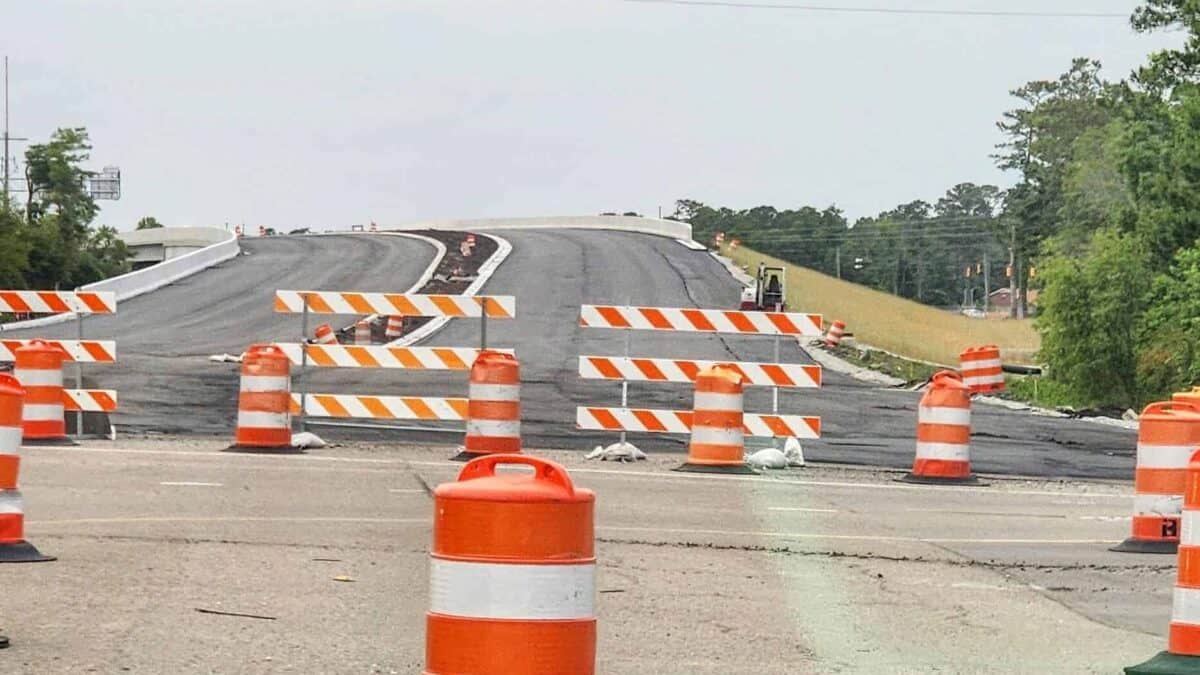
Wilmington’s road network was not built for its current population, let alone the growth coming. The Cape Fear Memorial Bridge, the main link between Wilmington and Leland, needs a replacement estimated at more than $1 billion that isn’t fully funded, and tolling has been discussed as a way to pay for it. Summer weekends add beach traffic on the routes to Wrightsville and Carolina Beach, and major projects like the Hampstead Bypass are still under construction.
What it means for you: drive your future commute at rush hour and on a summer Saturday before you buy. Background: the Cape Fear Memorial Bridge toll question and Wilmington NC road projects in 2026.
6. The airport is small
Wilmington International Airport (ILM) is convenient and easy to get through, and it set a passenger record in 2025. But many of its nonstop routes are seasonal, and most trips west of the Mississippi mean connecting through Charlotte or Atlanta.
What it means for you: if you travel for work every week, price out your actual routes before you move. Raleigh-Durham is roughly a two-hour drive for more options.
7. Paychecks and housing prices don’t always line up
Home prices here rose quickly over the last several years, and local wages in many fields haven’t kept pace. People relocating with a remote job or equity from a higher-cost market often find the numbers work well. People planning to find a local job after they arrive should research their field’s pay here first.
What it means for you: build your budget on your actual expected income here, plus the full carrying costs above — insurance, flood, taxes, and HOA — not just the mortgage.
8. The water question takes some homework
The Cape Fear River has a well-documented history of PFAS contamination from upstream industry. Utilities have made major treatment upgrades, and CFPUA’s system in New Hanover County effectively removes PFOA, PFOS, and GenX. But treatment differs by county and provider, some ultrashort-chain PFAS still pass through, and private wells are a separate question entirely.
What it means for you: know which utility serves a home, or test the well. My full breakdown: Wilmington water quality: PFAS, GenX, and tap water.
So why do I still live here?
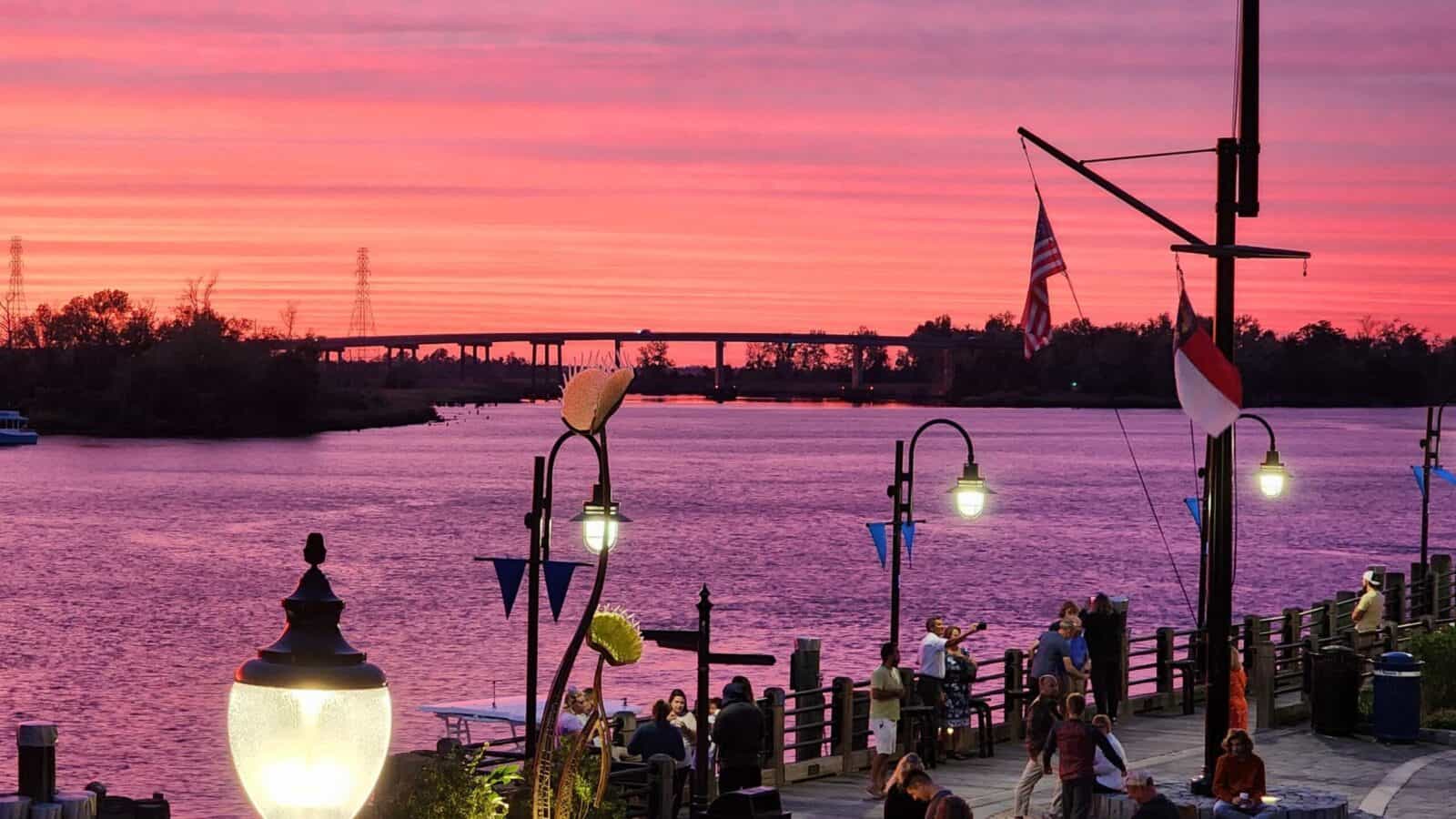
Because every one of these has a plan. Insurance gets quoted early. Flood risk gets researched house by house. Taxes get calculated for the actual parcel. Storms get a checklist and a go-bag. And in exchange, I get sunsets on the river, a real downtown, beaches I can reach in minutes, and a community that shows up for each other when the weather turns. For a lot of people, that trade is worth it. For some, it isn’t — and that’s a completely valid answer, too.
If you want help running the real numbers on a specific home or area, I’d love to talk it through. No pressure, just straight answers.
Call or text Tabi: 910-983-8963 · www.makingilmhome.com
Keep reading: Is Wilmington, NC a good place to live? · Wilmington NC crime data: where to find it and how to read it · Start here: buying a home in Wilmington · Moving to Wilmington resource links
Frequently asked questions
What are the biggest downsides of living in Wilmington, NC?
The most common downsides are hurricane and flood exposure, high coastal homeowners insurance, property taxes that vary by city and county lines, summer traffic and bridge bottlenecks, a small airport with many seasonal routes, and housing prices that have outpaced many local wages.
Why is homeowners insurance so expensive in Wilmington?
Coastal wind and storm risk drive higher premiums, and North Carolina’s approved rate increases were largest in beach and coastal territories. Wind and hail may be written separately, named-storm deductibles are often a percentage of the home’s value, and flood insurance is always a separate policy.
Do I need flood insurance in Wilmington if I’m not in a flood zone?
It isn’t required outside high-risk zones, but it’s worth pricing. Some local flood claims come from properties outside mapped high-risk areas, and premiums outside those zones are usually much lower.
Why did Wilmington property taxes go up in 2026?
The City of Wilmington raised its property tax rate by 4.9 cents to 33.15 cents per $100 of assessed value for the 2026–27 fiscal year. New Hanover County’s rate stayed at 30.6 cents. Homes inside city limits pay both rates.
Is Wilmington, NC still worth moving to?
For many buyers, yes — especially those who plan for insurance, flood, tax, and storm-season costs before they buy. The key is running the full carrying costs on a specific home rather than relying on the purchase price alone.
Tabetha Klein, REALTOR® | Coldwell Banker Sea Coast Advantage · 910-983-8963 · www.makingilmhome.com. Each office is independently owned and operated. Equal Housing Opportunity. Figures reflect sources available as of September 2026 and change frequently; verify current rates, premiums, and utility details for any specific property. This article is general information, not legal, tax, or insurance advice.