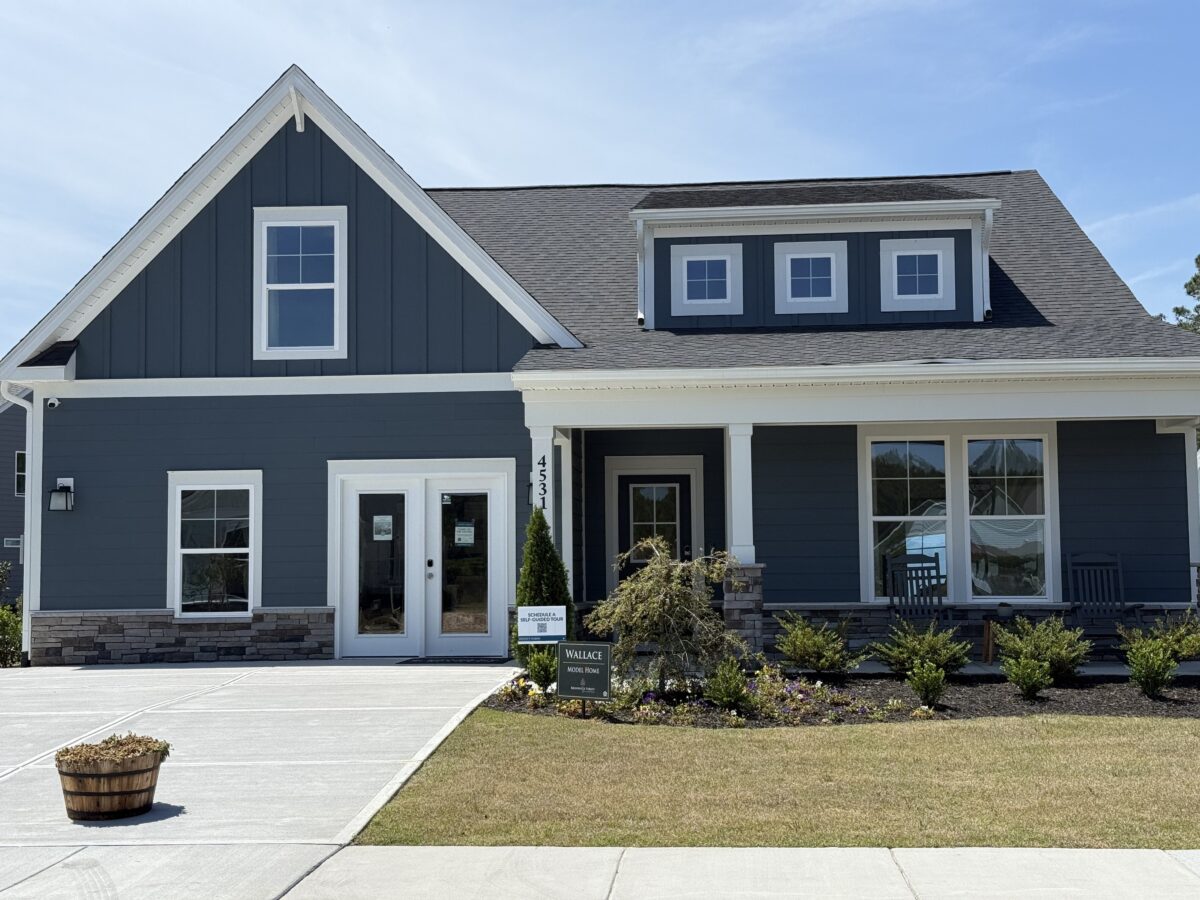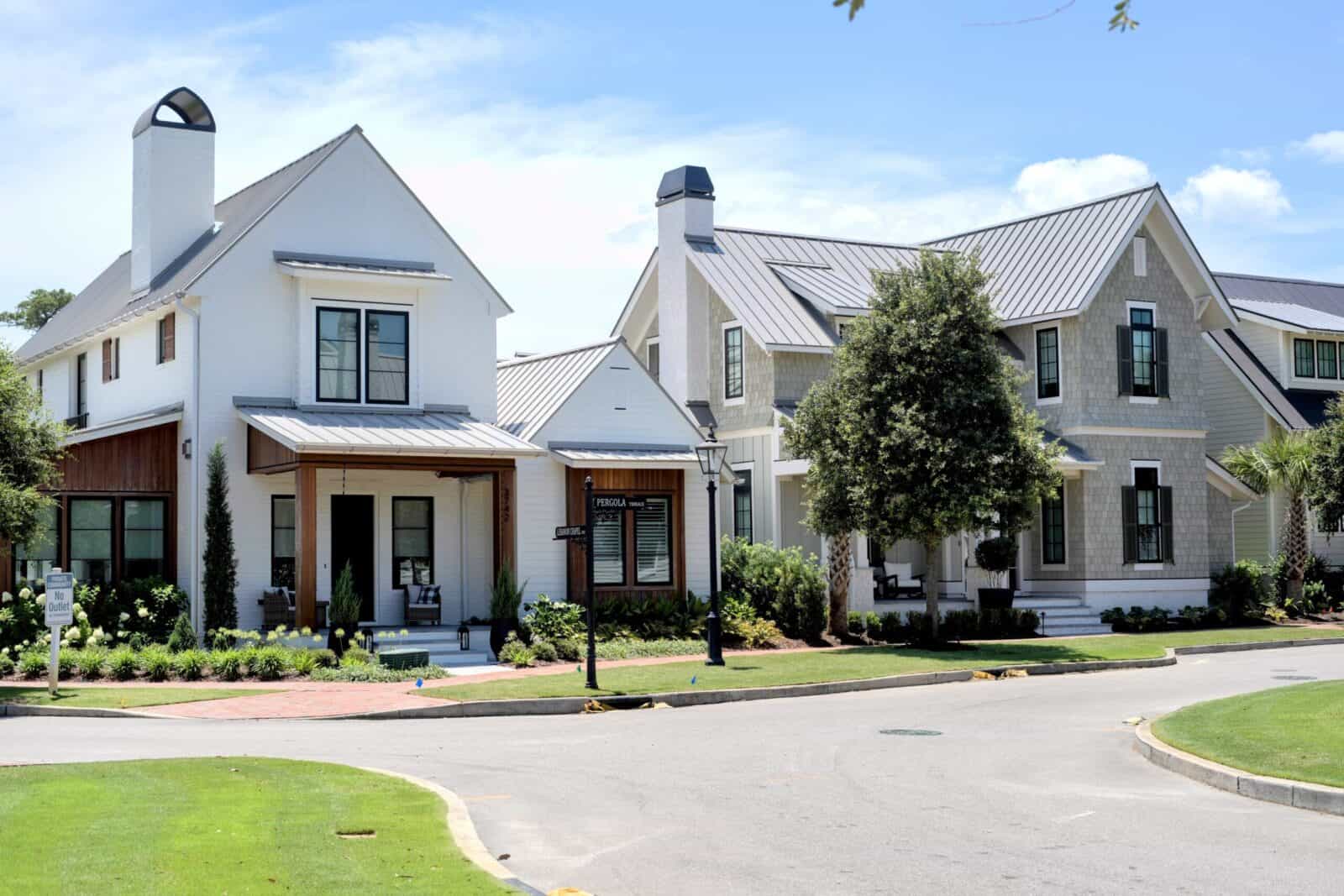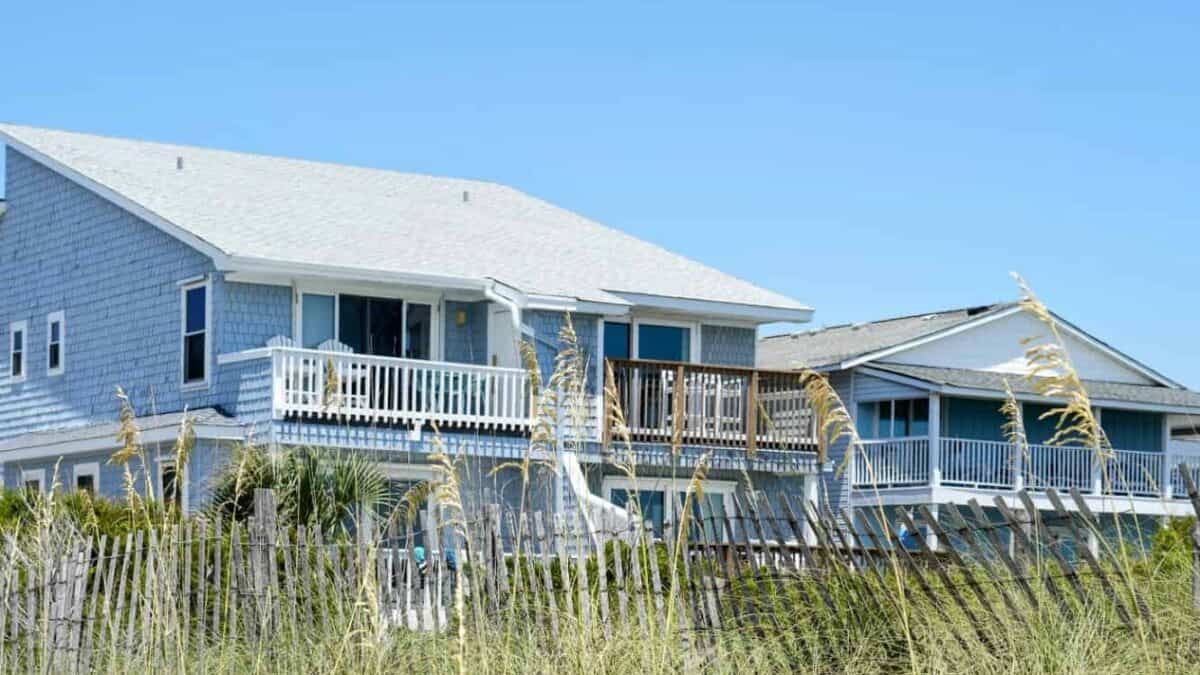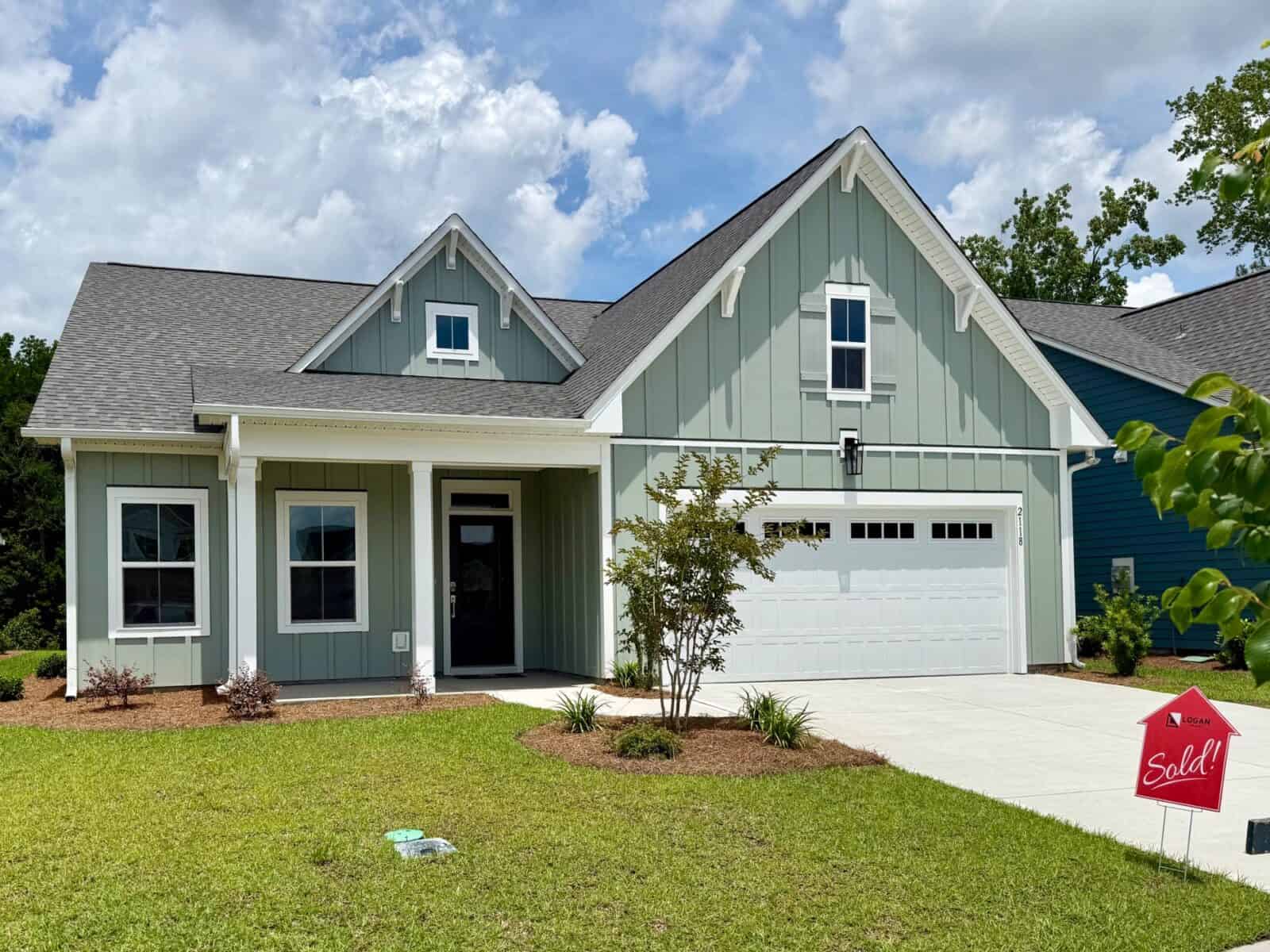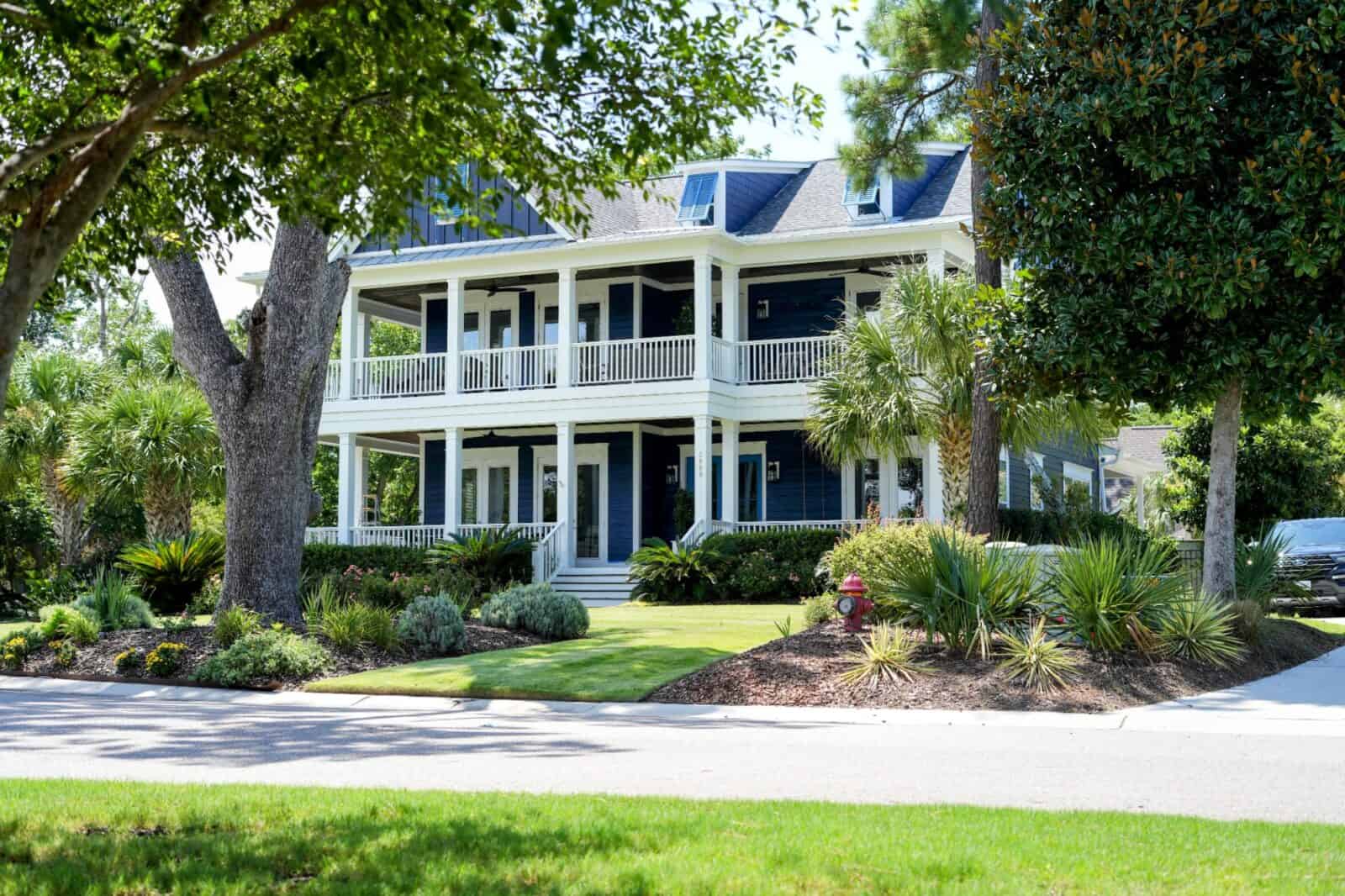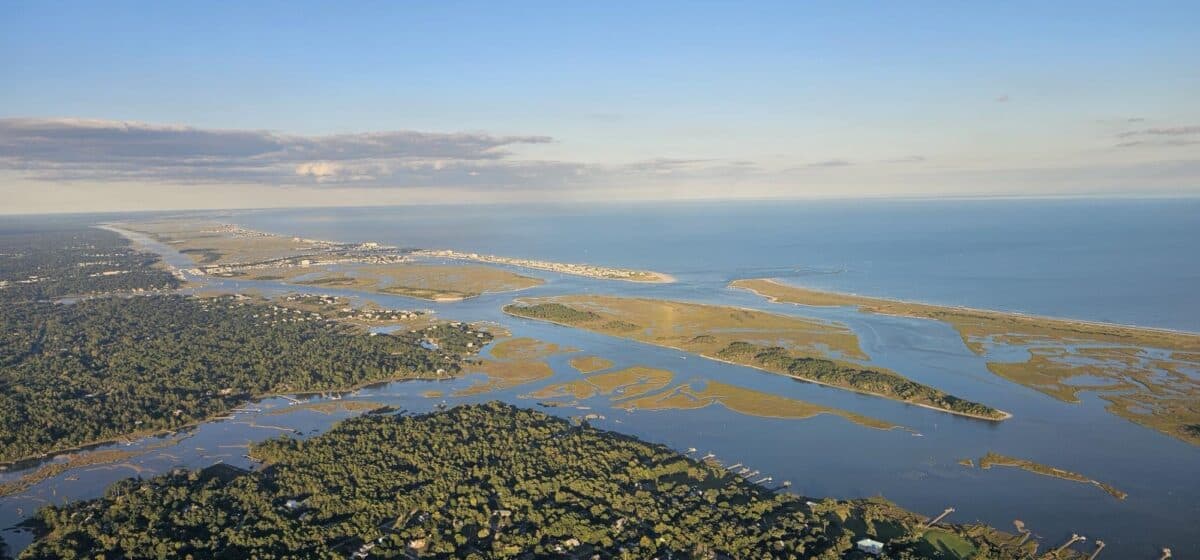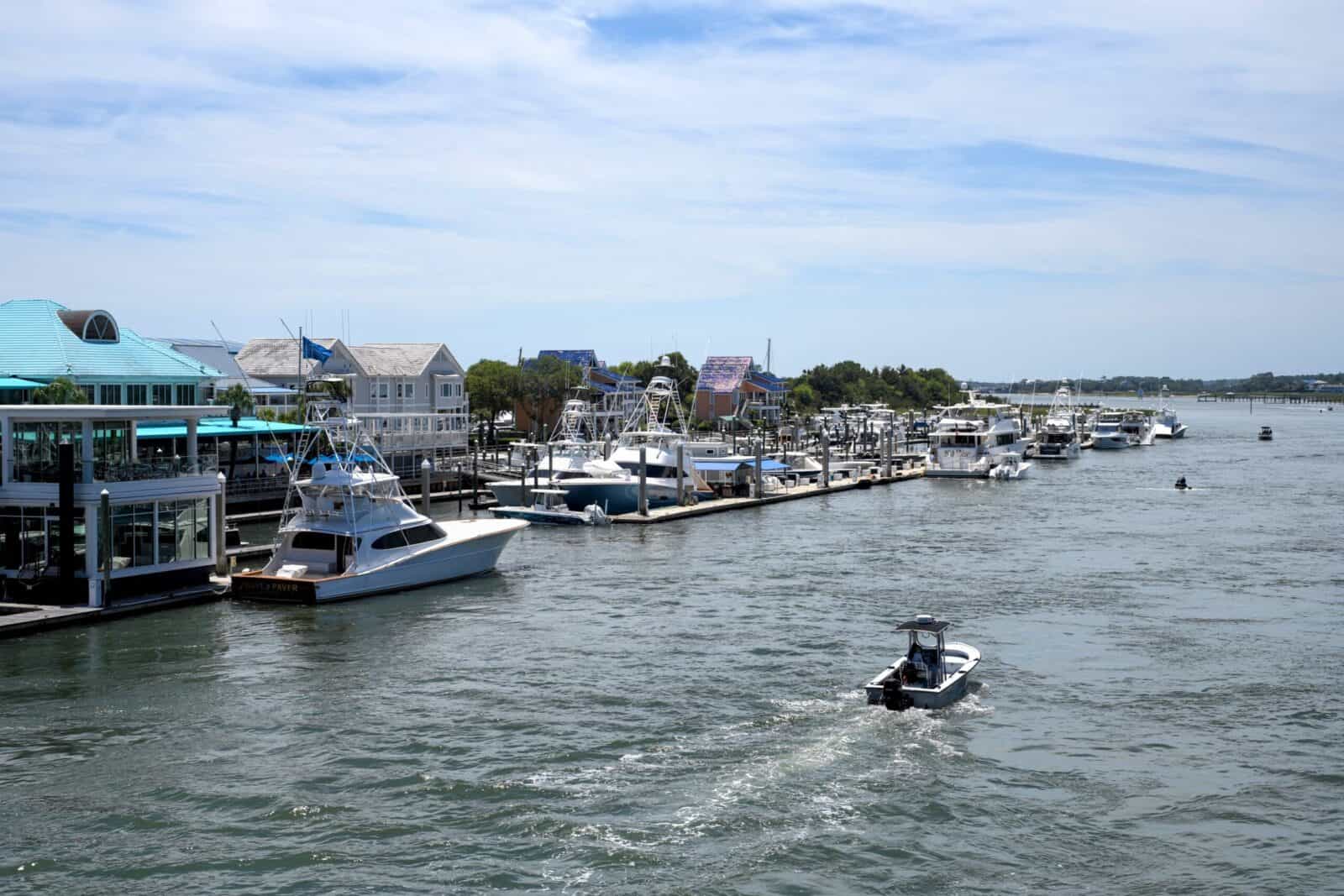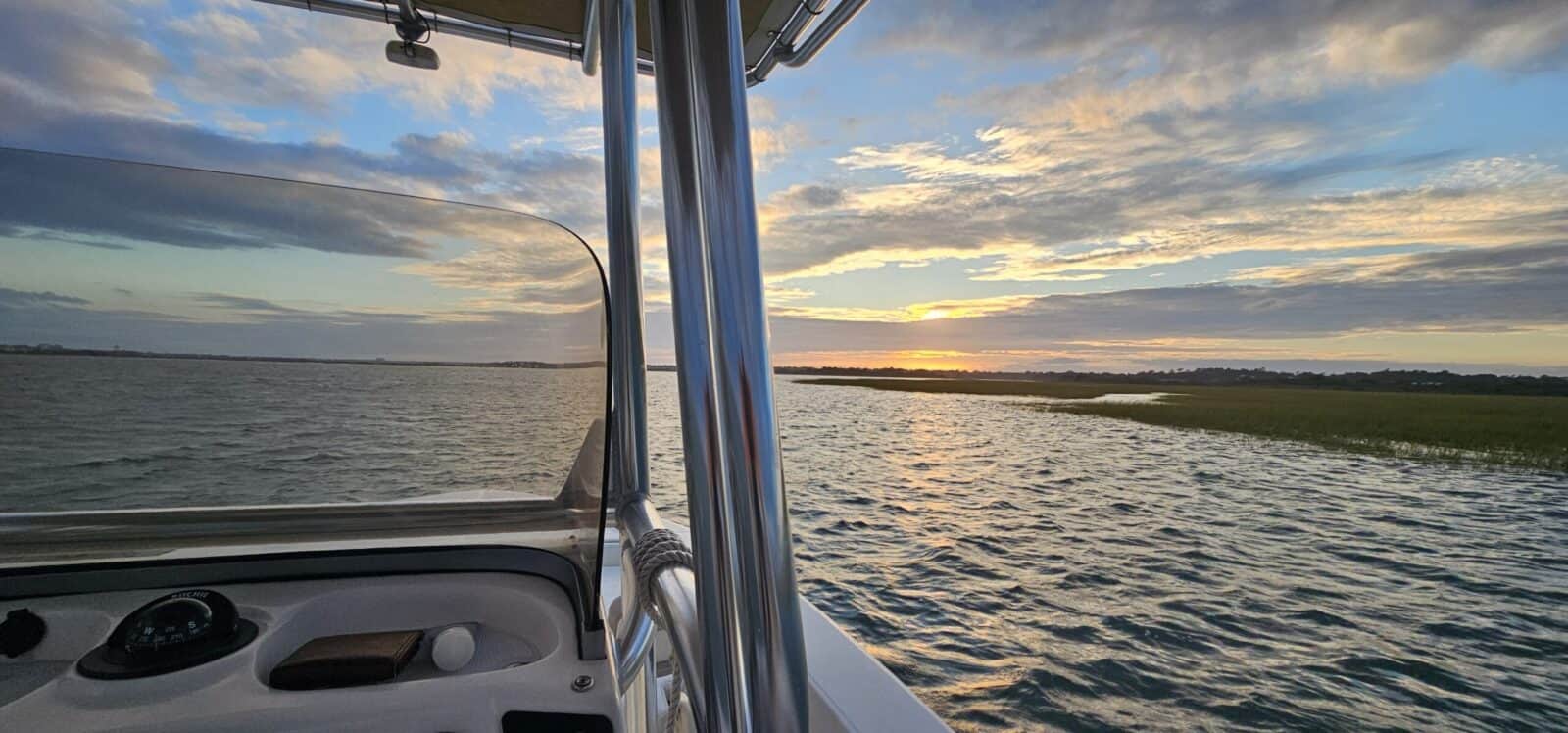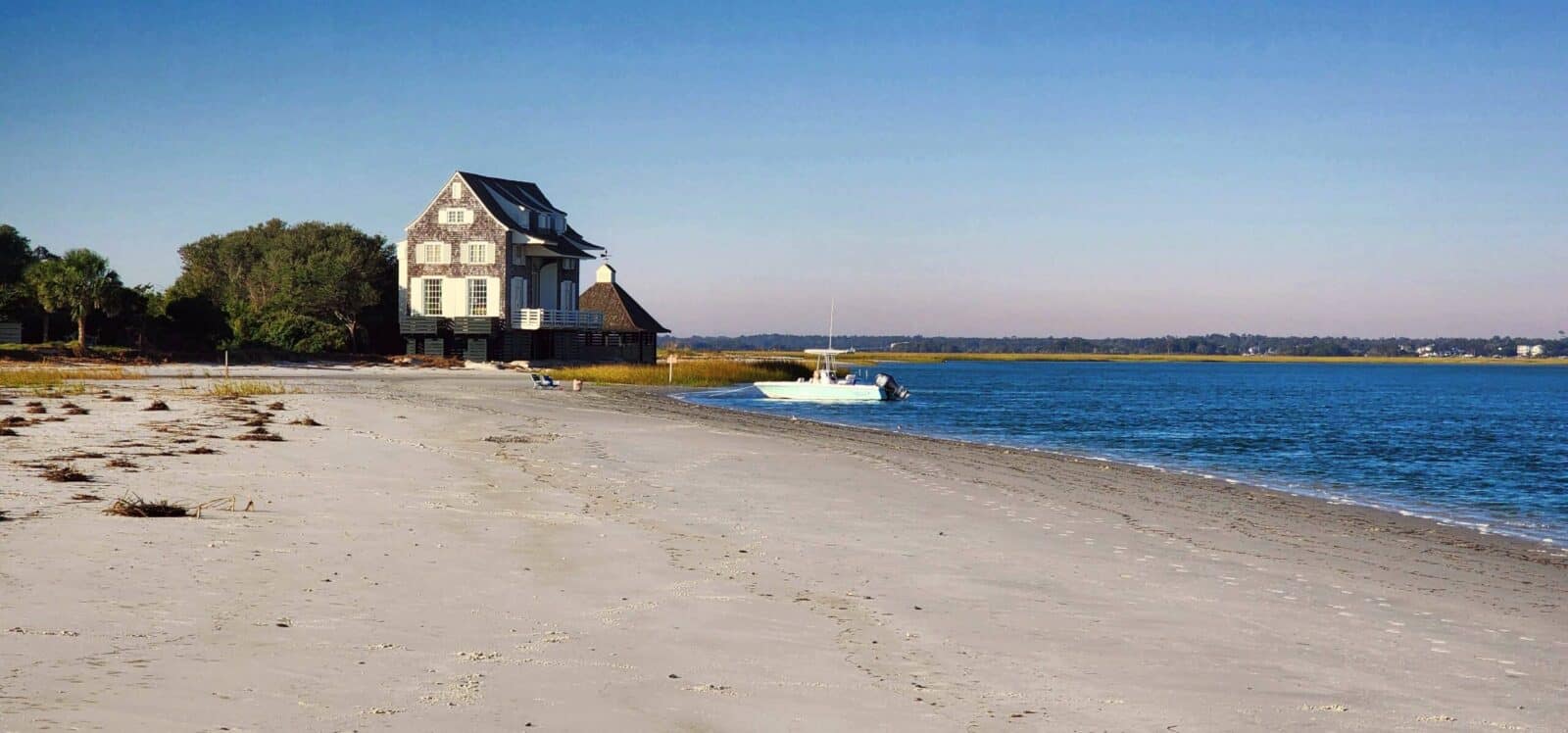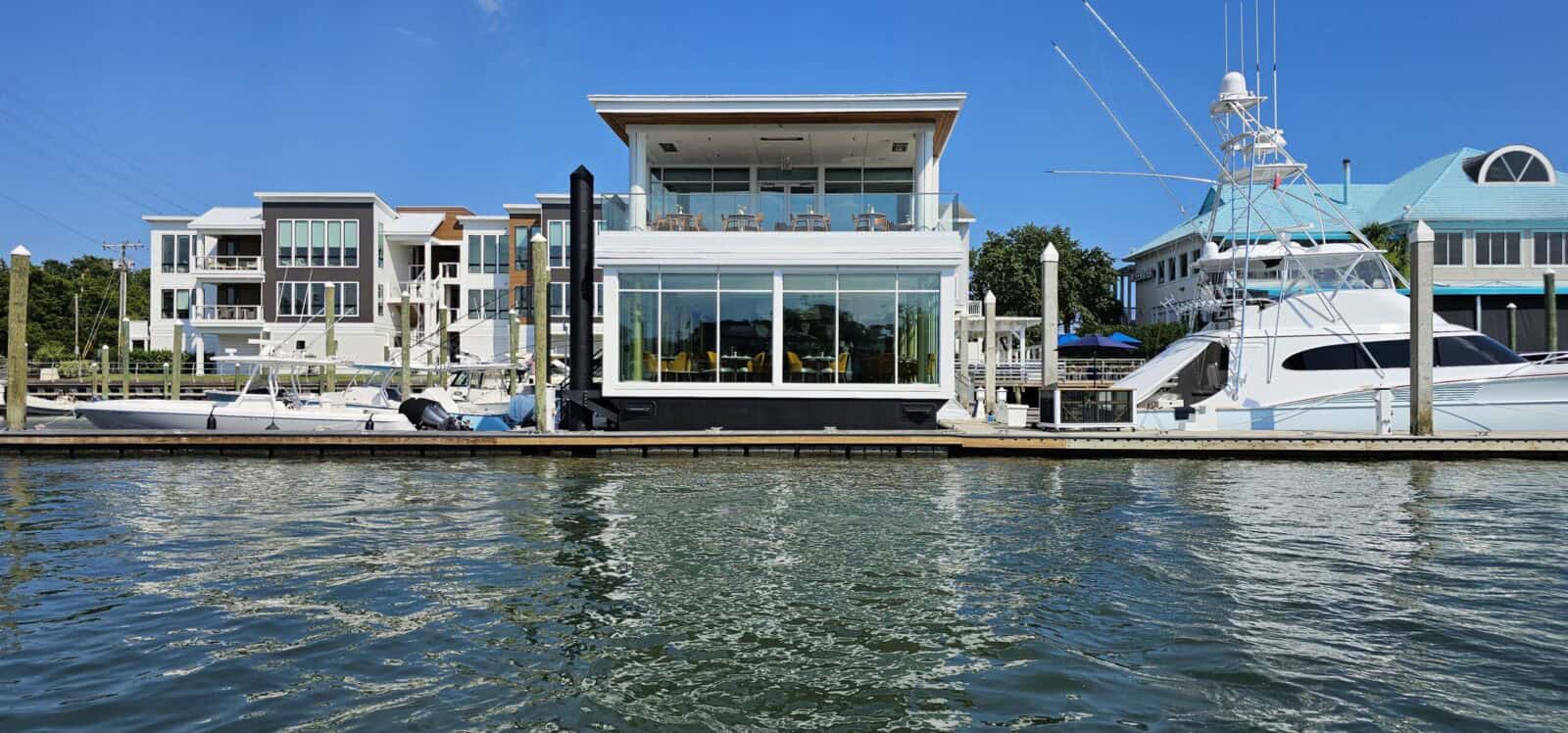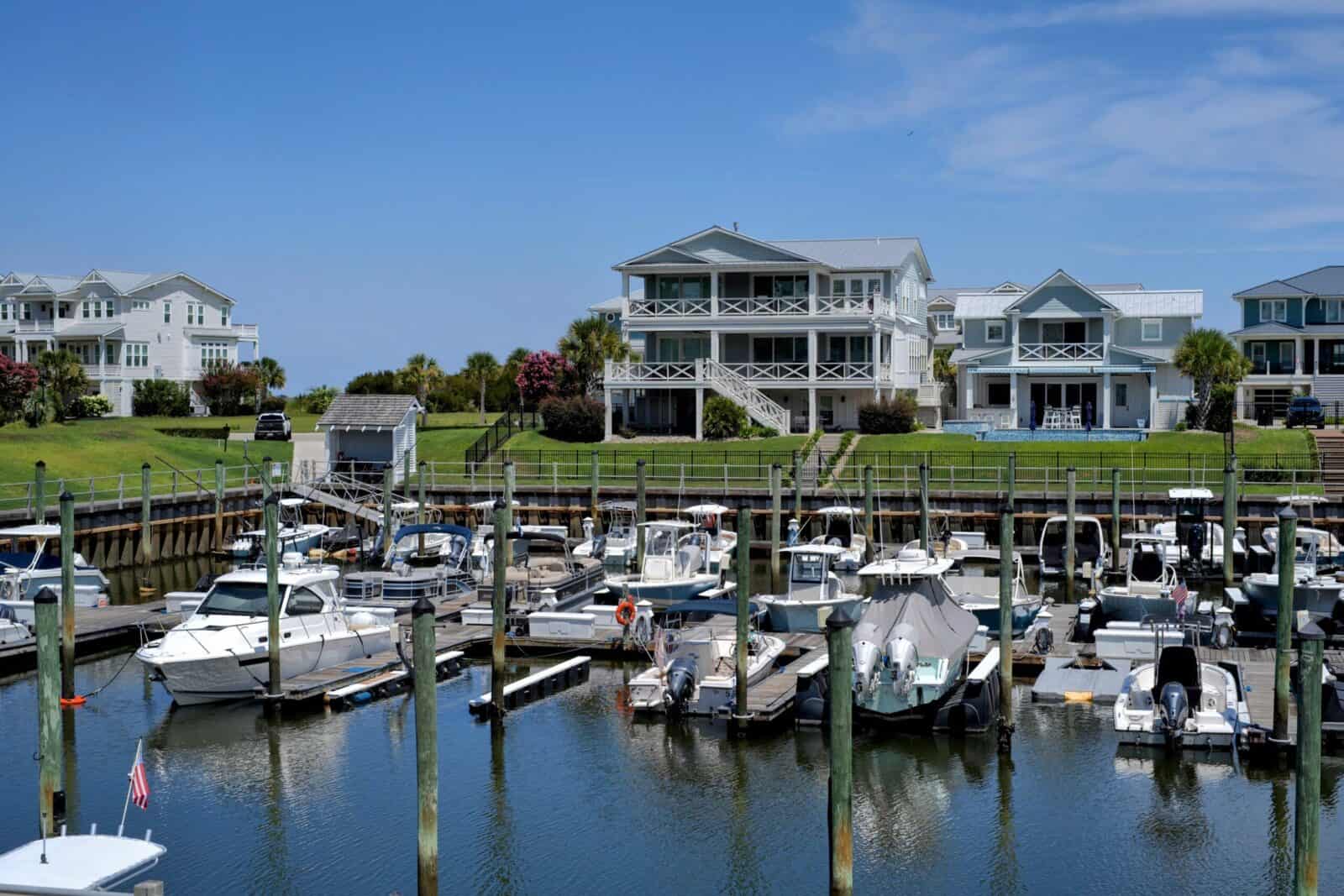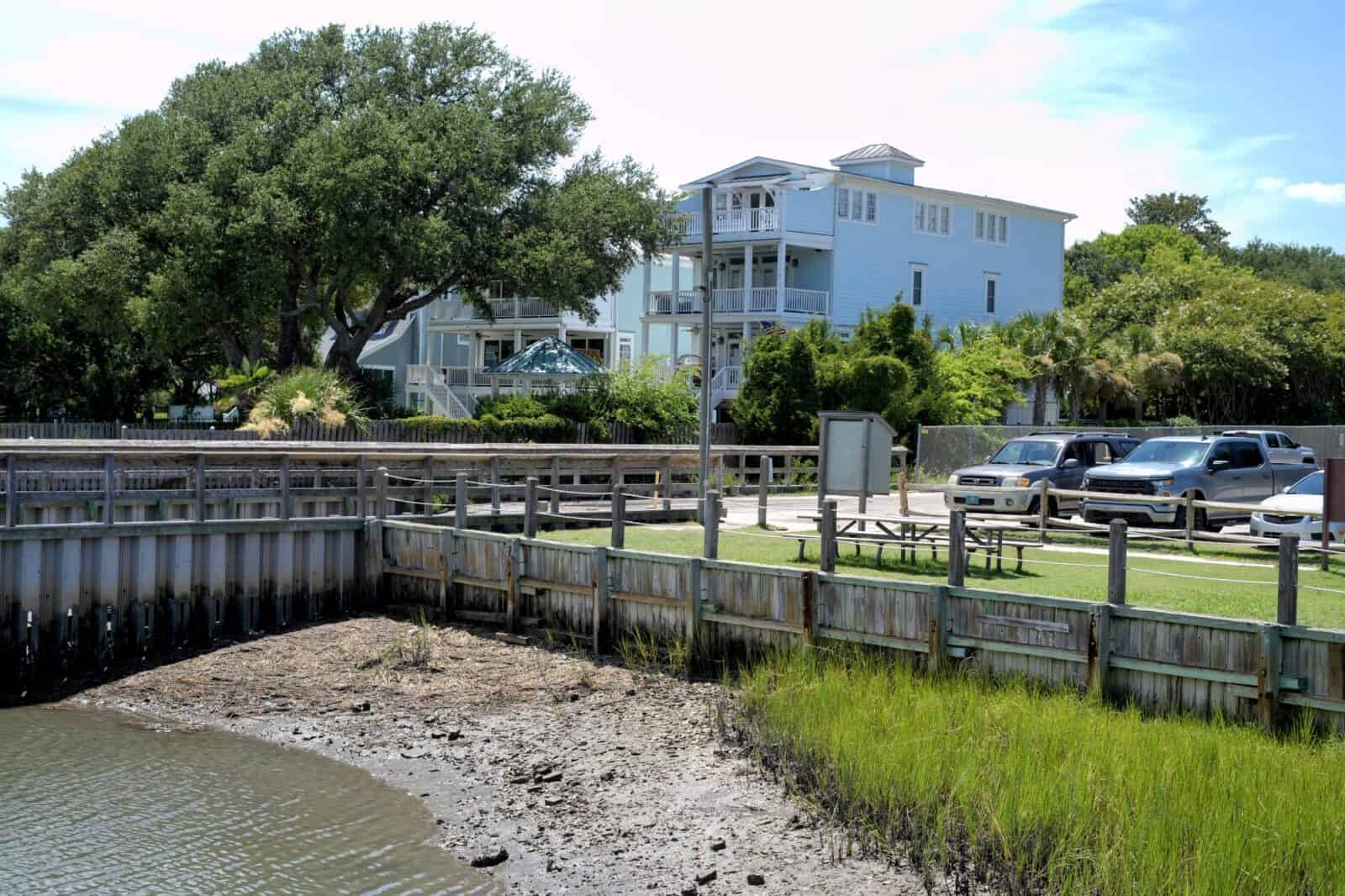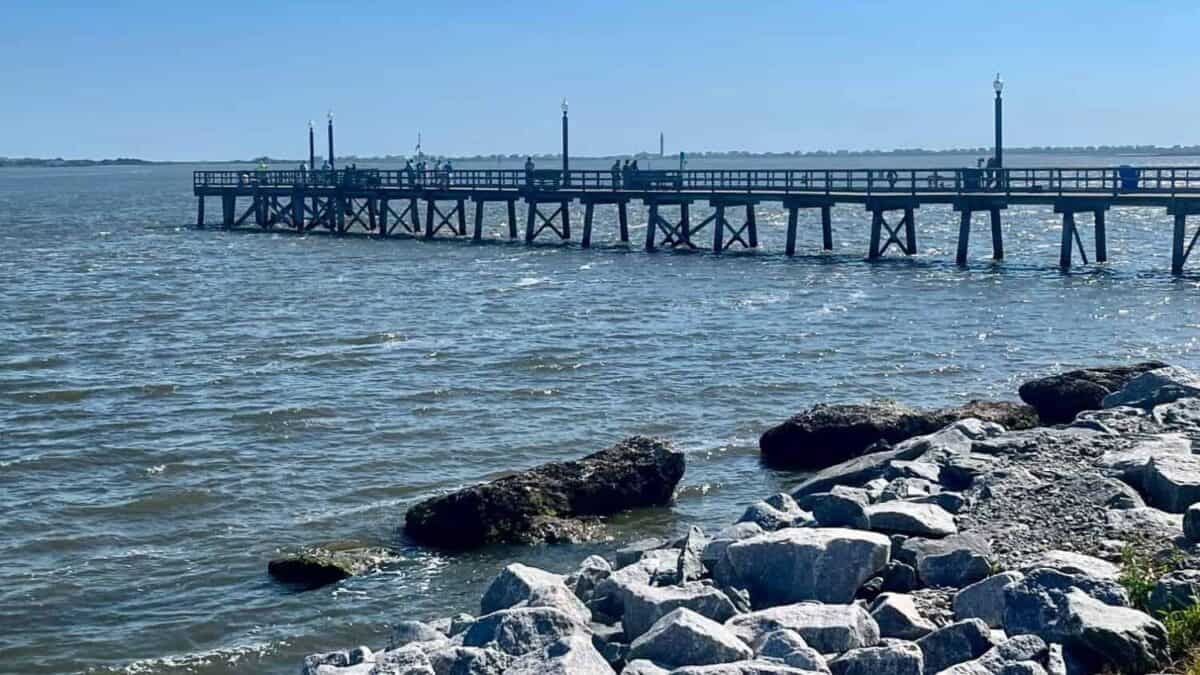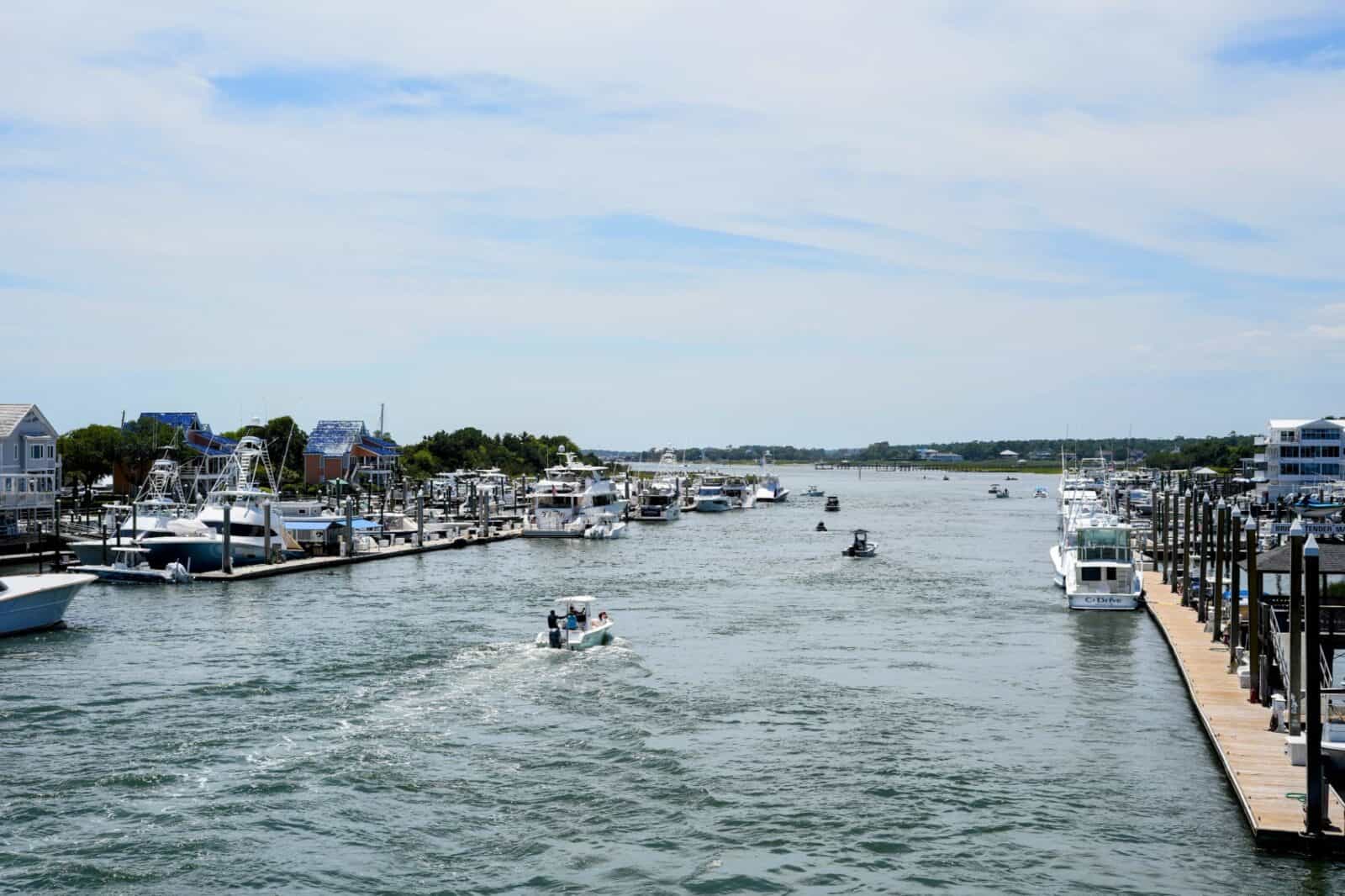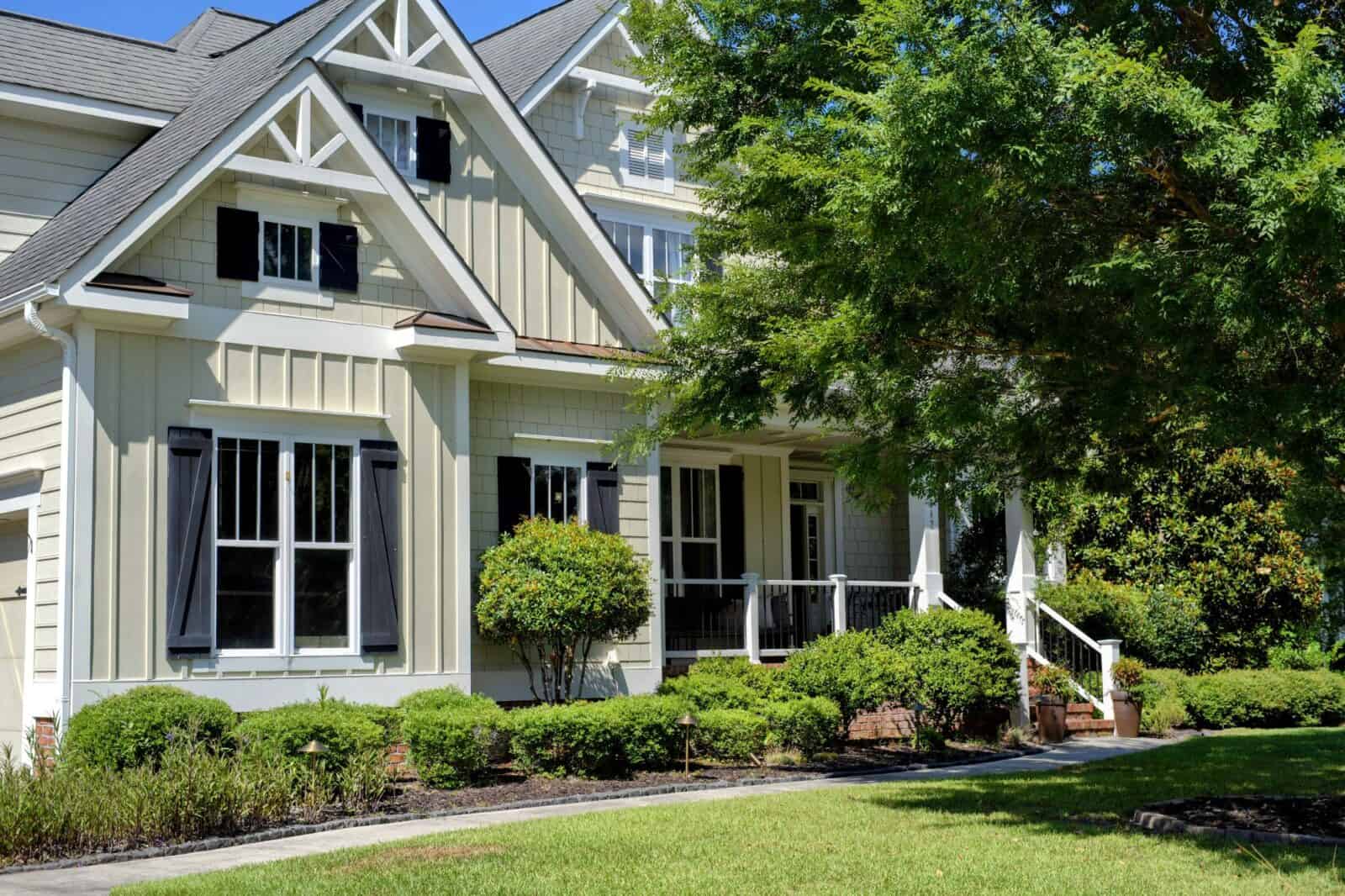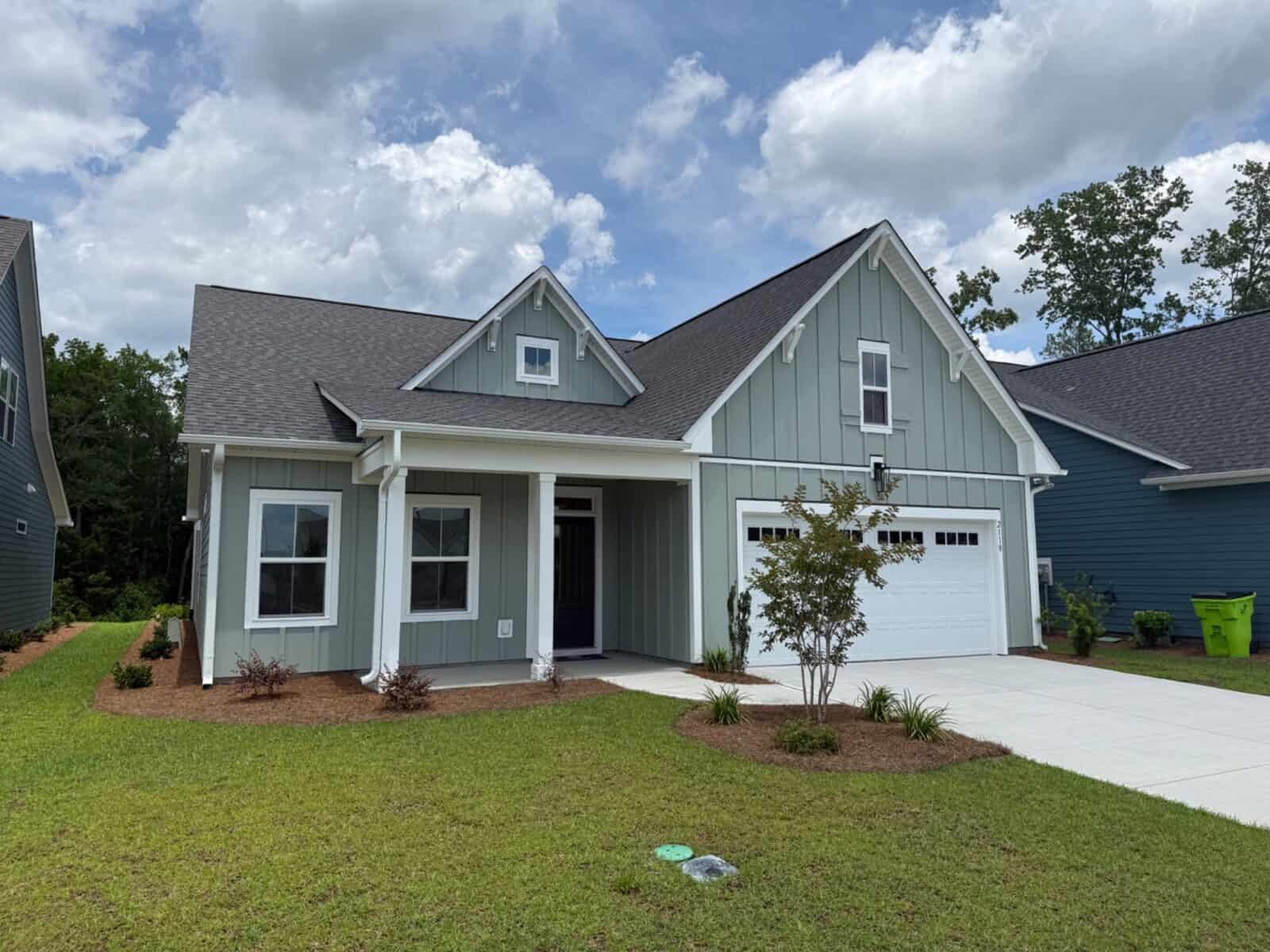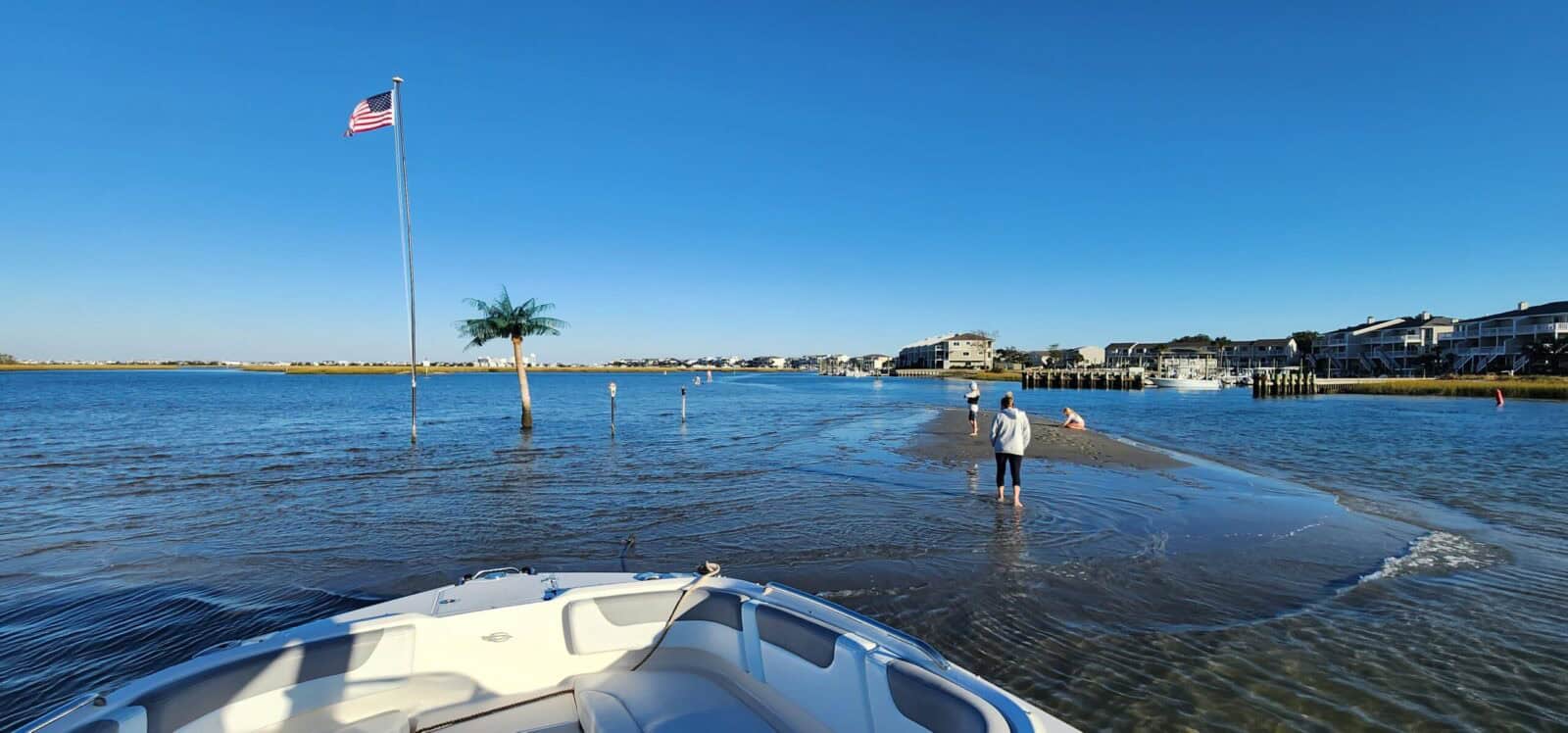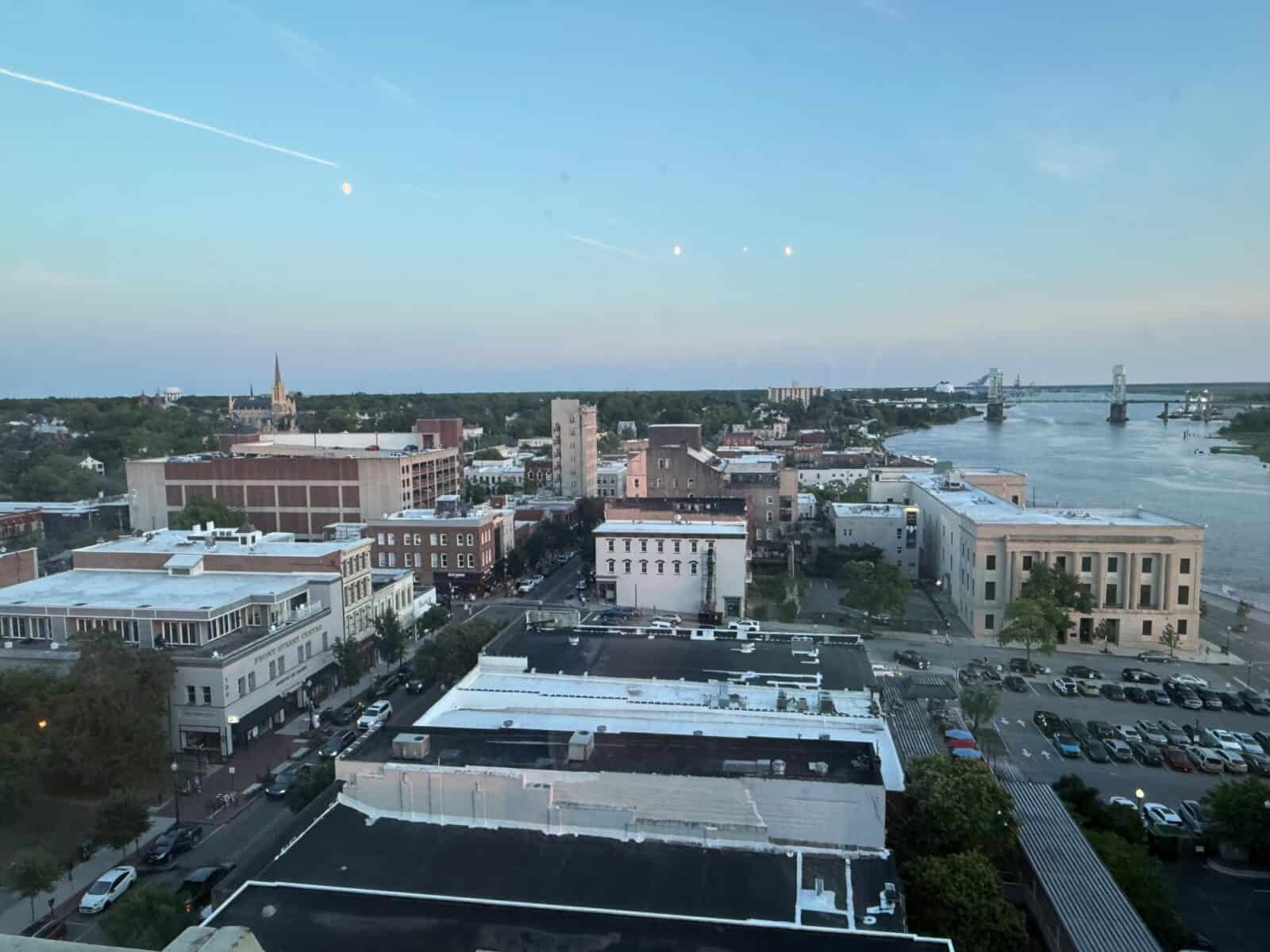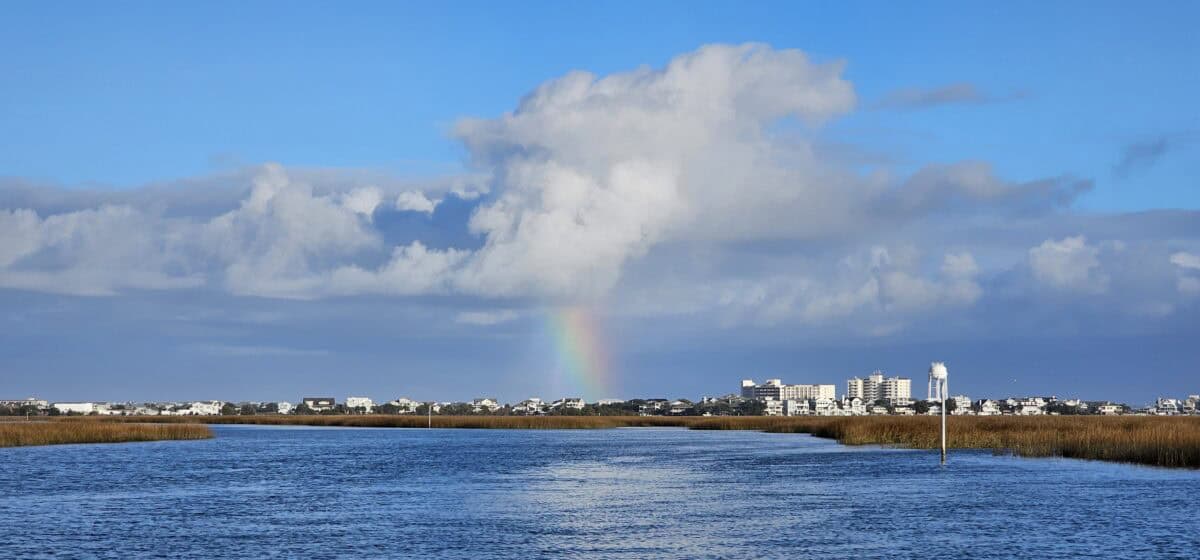
Moving from Raleigh to Wilmington, NC is a 130-mile move down I-40, so it’s more about logistics than a leap: same state income tax, same DMV, same license plates. What changes is the coast. Home prices are higher here right now, property tax rates are lower, insurance costs more, and hurricane season becomes part of the calendar.
I’m Tabi, a REALTOR® with Coldwell Banker Sea Coast Advantage in Wilmington. We compared a lot of coast before choosing Wilmington in 2021, and Triangle buyers come up in my work constantly. Redfin’s migration data for April through June 2026 ranked the Raleigh metro second among inbound metros to Wilmington. This guide is about the move itself. For the full side-by-side on prices, taxes, jobs, airports and lifestyle, see my Wilmington, NC vs. Raleigh, NC comparison.
Moving from Raleigh to Wilmington NC: the money in brief
- Home prices. Redfin put Raleigh’s median sale price at $422,221 in August 2026, down 6.2% year over year, with a median 39 days on market. Wilmington’s was $469,689, up 3.2%, with 56 days on market. If you’re selling in Raleigh to buy here, budget for that gap.
- Property tax. For FY2026-27, Wake County’s rate is 53.71 cents per $100 and the City of Raleigh’s is 37.2 cents, a combined 90.91 cents inside Raleigh (Wake County Tax Administration). Inside Wilmington city limits the combined rate is 63.75 cents (30.6 cents county plus 33.15 cents city), about $2,990 a year on a $469,689 home; unincorporated New Hanover County is 37.85 cents. My 2026 property tax post explains the local details.
- Wake’s 2027 revaluation. Wake County’s next revaluation takes effect January 1, 2027, with value notices mailed by January 22, 2027, and revaluations every two years after that (Wake County). If you keep your Raleigh house as a rental, expect a new assessed value.
- State income tax. No change. North Carolina’s rate is a flat 3.99% for tax years after 2025 (NC Department of Revenue), and Social Security benefits are not taxed. An in-state move doesn’t create a part-year return.
- Sales tax. 7.25% in Wake County versus 7% in New Hanover County (NCDOR, rates effective July 1, 2026).
- Homeowners insurance. This is the line that goes up. Published 2026 estimates for Wilmington run about $3,400 to $7,200 a year, and wind and flood coverage are priced separately near the coast. My homeowners insurance guide shows what drives the spread, and my cost of living guide covers the rest of the budget.
Getting back and forth
By car, downtown Raleigh to downtown Wilmington is about 130 miles, nearly all of it on I-40, which ends at the edge of Wilmington. I plan on two to two and a half hours, depending on traffic getting out of the Triangle (routing checked September 2026). Friday afternoons eastbound in summer and Sunday afternoons westbound are the slow ones. The practical upside: you can tour homes here and be back in Raleigh the same day, and moving trucks make the trip in one easy shift.
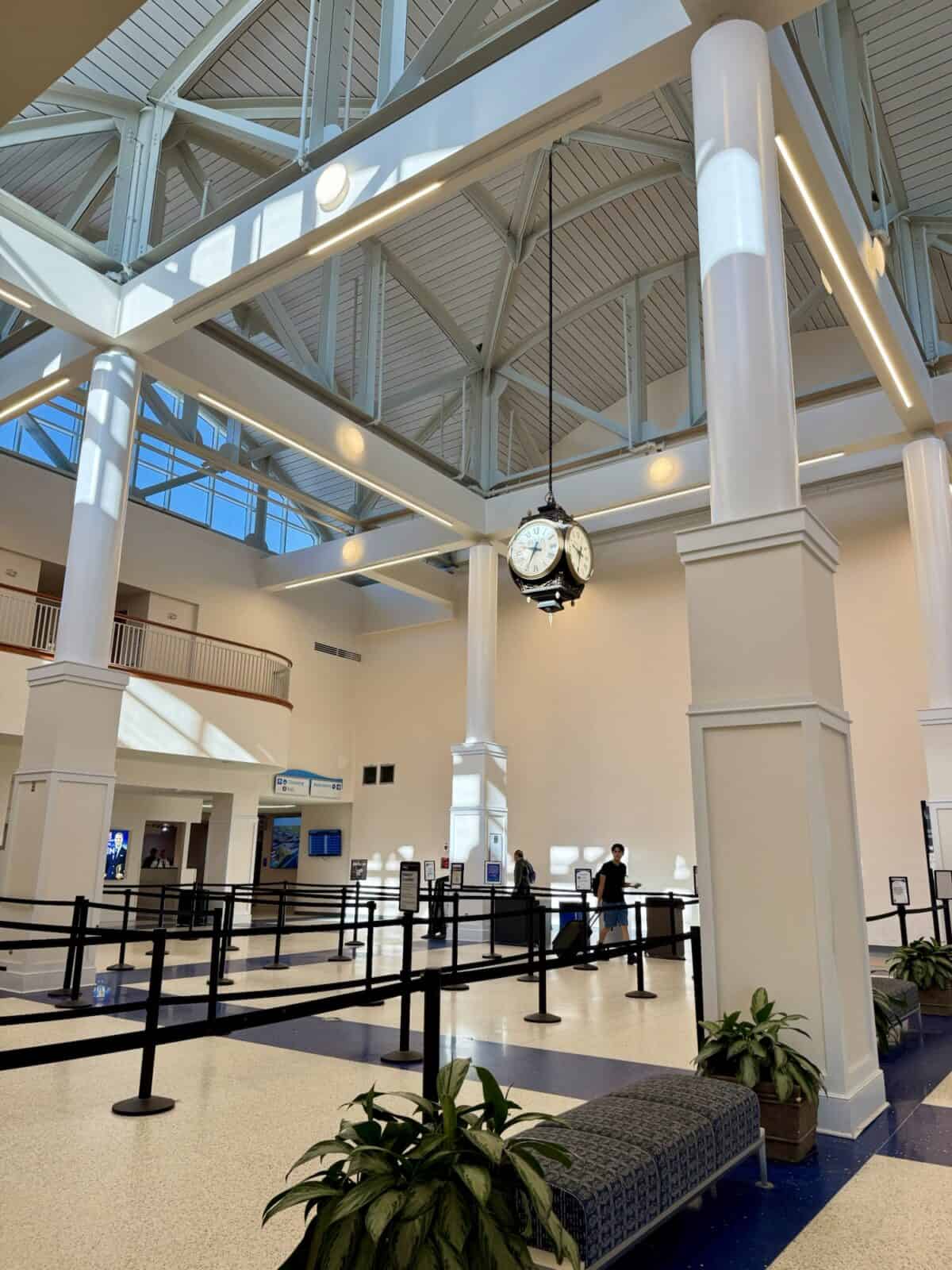
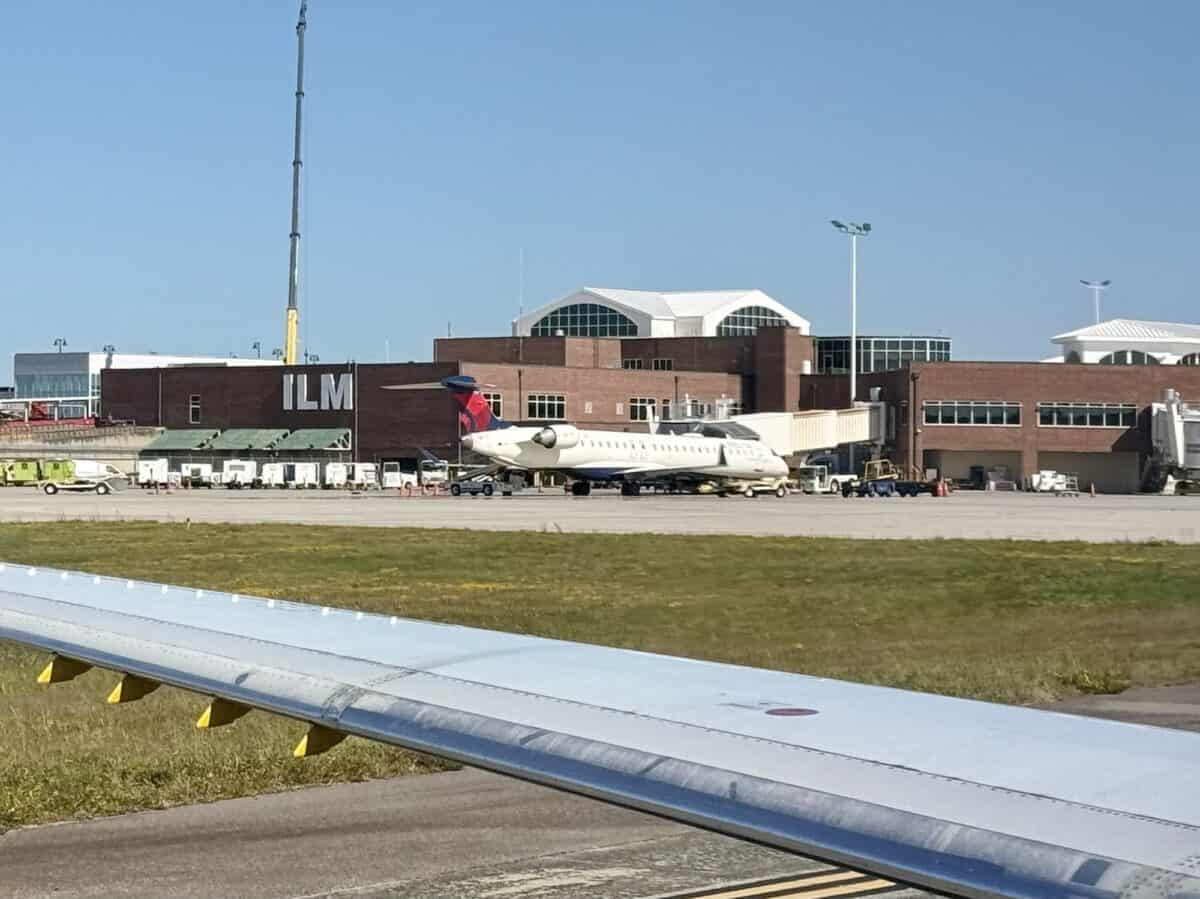
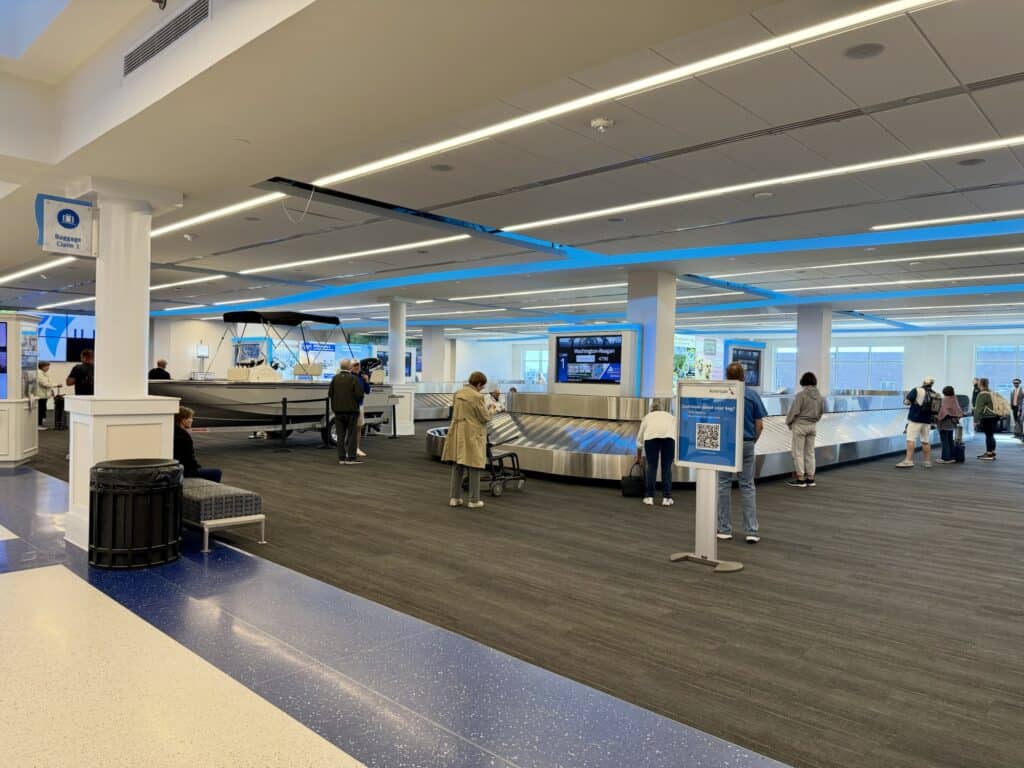
By air, there is no shortcut. Per flyILM’s route list as of September 2026, there is no nonstop flight between Wilmington International (ILM) and Raleigh-Durham (RDU), and a connection through Charlotte takes longer than the drive. Amtrak does not serve Wilmington. For big international trips, many Wilmington residents still drive to RDU, so you won’t be giving up that airport, just adding two hours to reach it.
What changes day to day
Weather. NOAA’s 1991–2020 normals put Wilmington’s average January high at 57.2°F versus 51.9°F at RDU, and July highs close together at 90.0°F versus 90.8°F. Wilmington averages 60.15 inches of rain a year (RDU: 46.07) and 0.9 inches of snow (RDU: 5.2). Winters get milder; summers feel about the same, with more afternoon storms.
Hurricane season. Raleigh gets the remnants; the coast gets the planning. The season runs June 1 through November 30, and here that means knowing your evacuation zone, keeping a storm kit and understanding your wind deductible. My hurricane risk guide for buyers walks through how to evaluate a specific house.
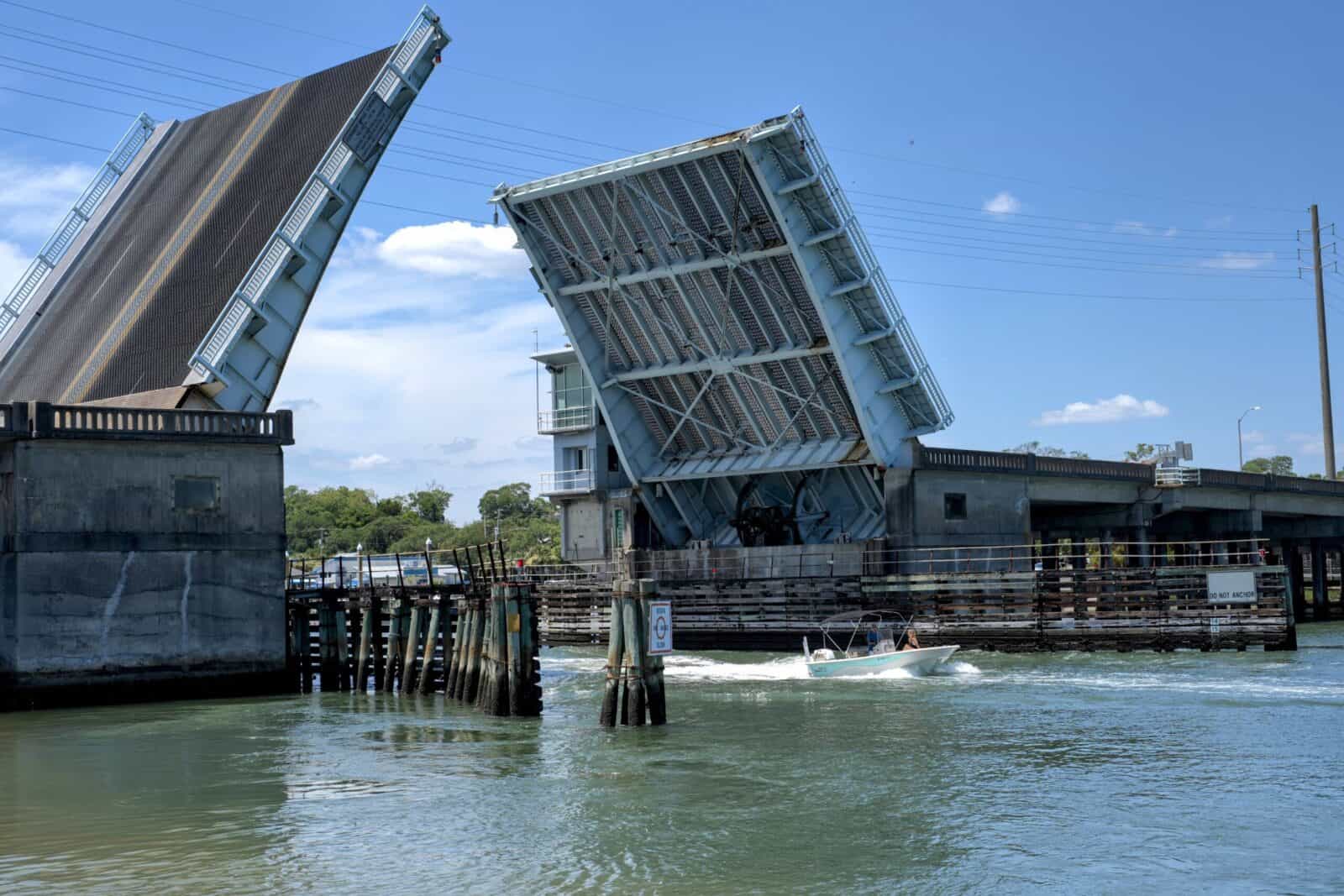
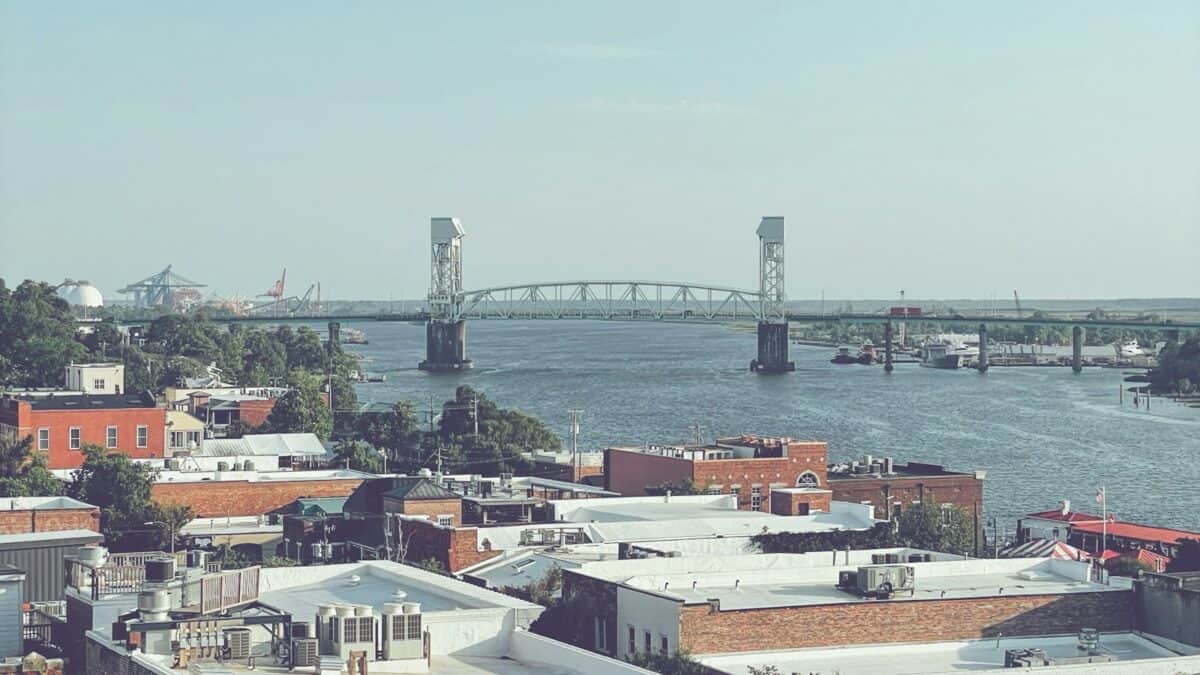
Getting around. Wilmington is smaller, so most trips are shorter; a 20-minute cross-town drive is typical. The pinch points are Market Street and College Road at rush hour, the Cape Fear Memorial Bridge to Leland, and beach traffic on summer weekends. Wave Transit runs the local buses, and like Raleigh, most households drive.
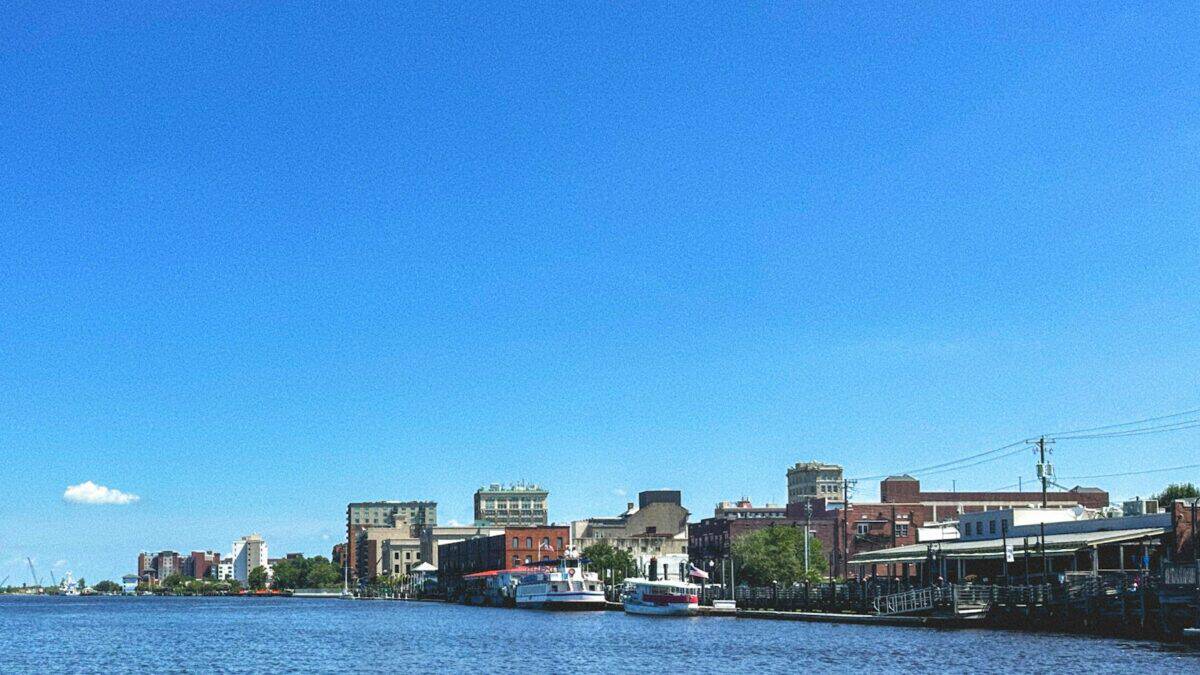
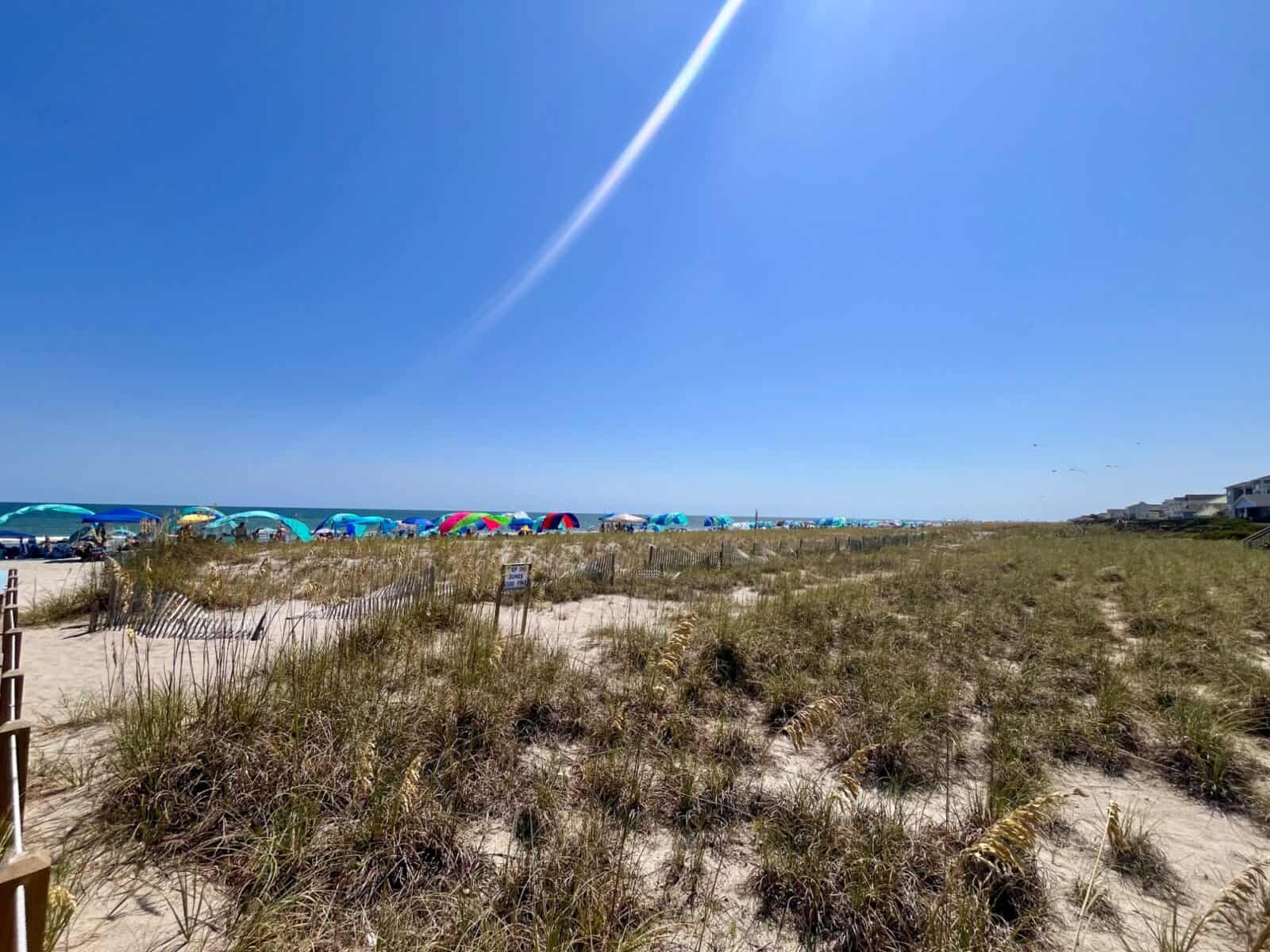
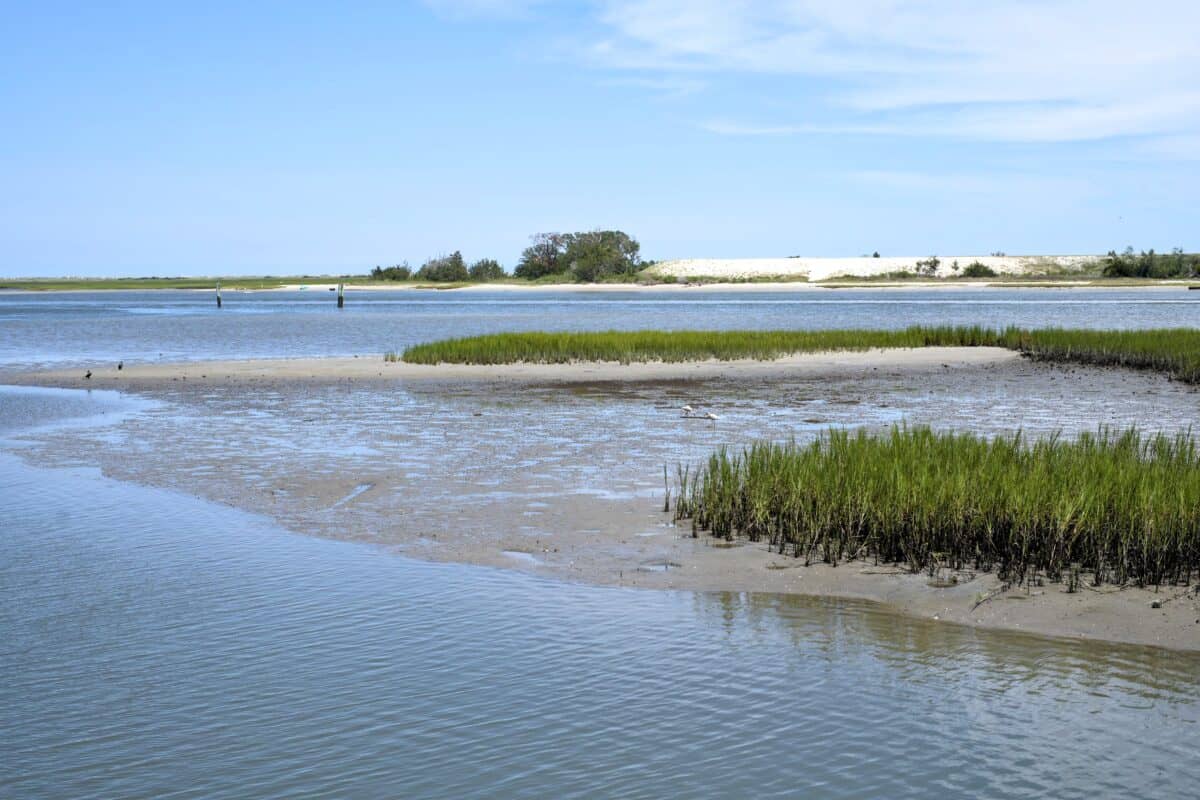
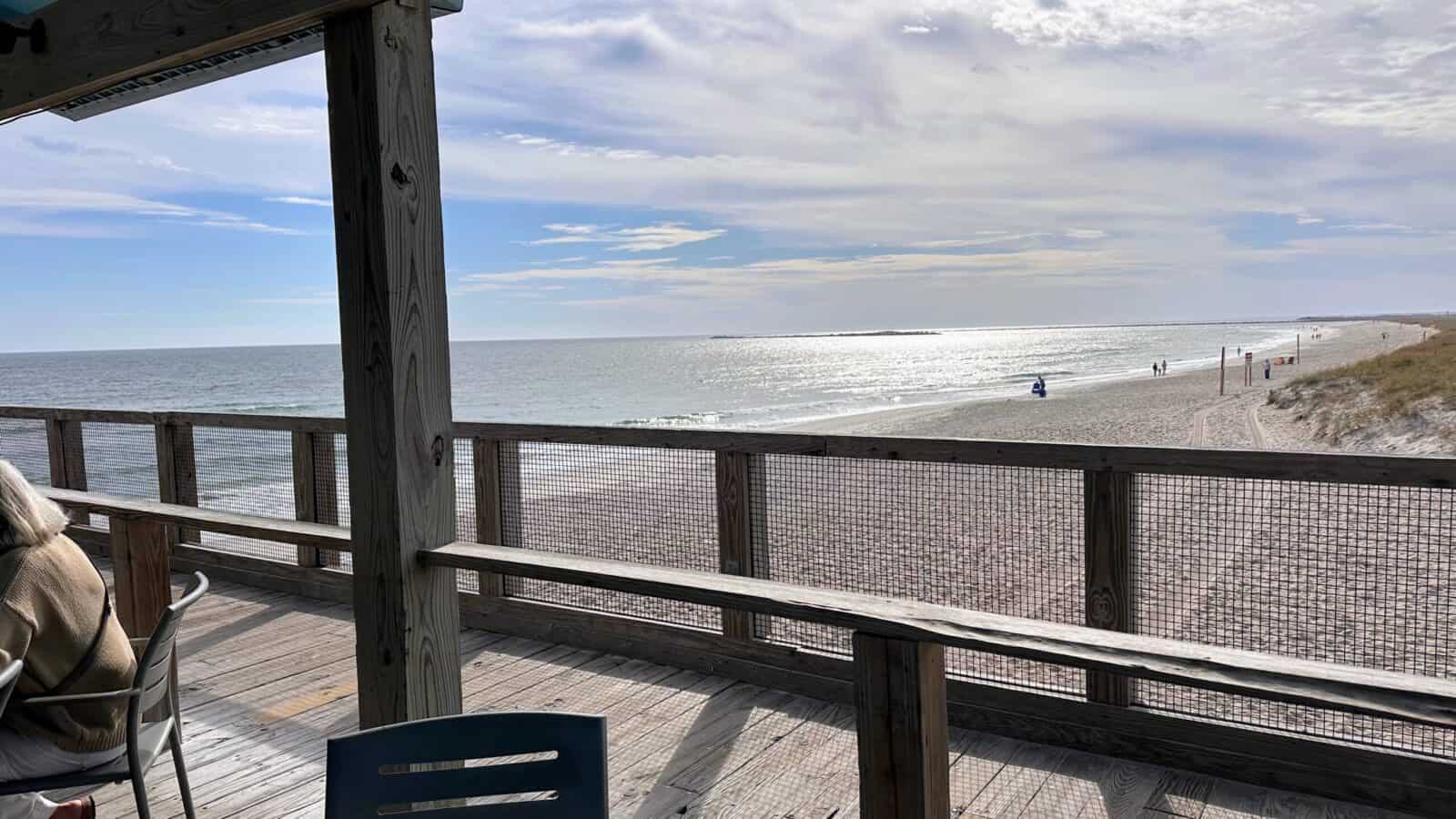
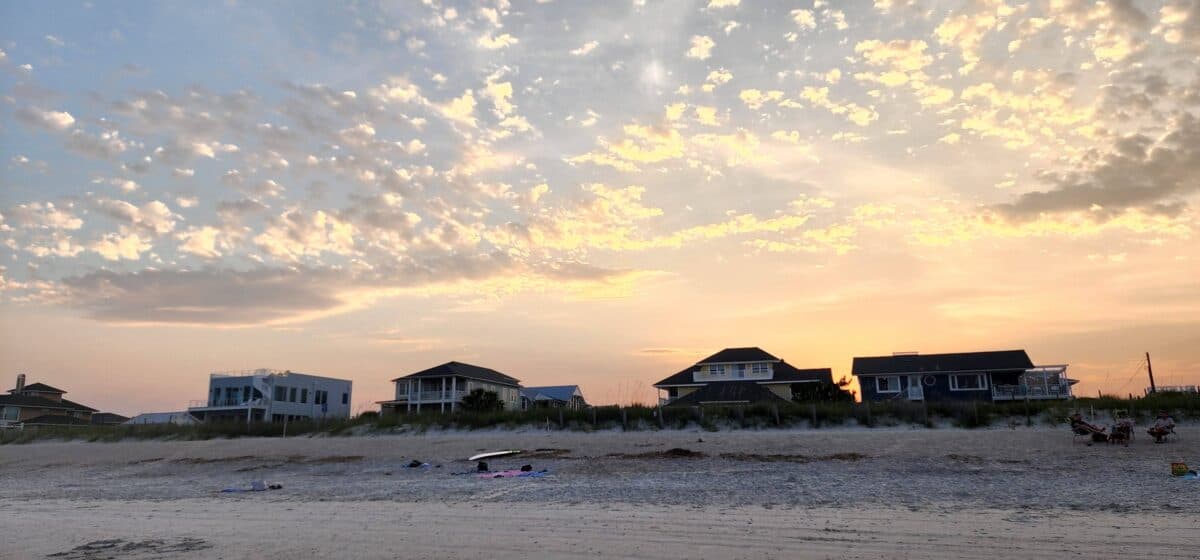
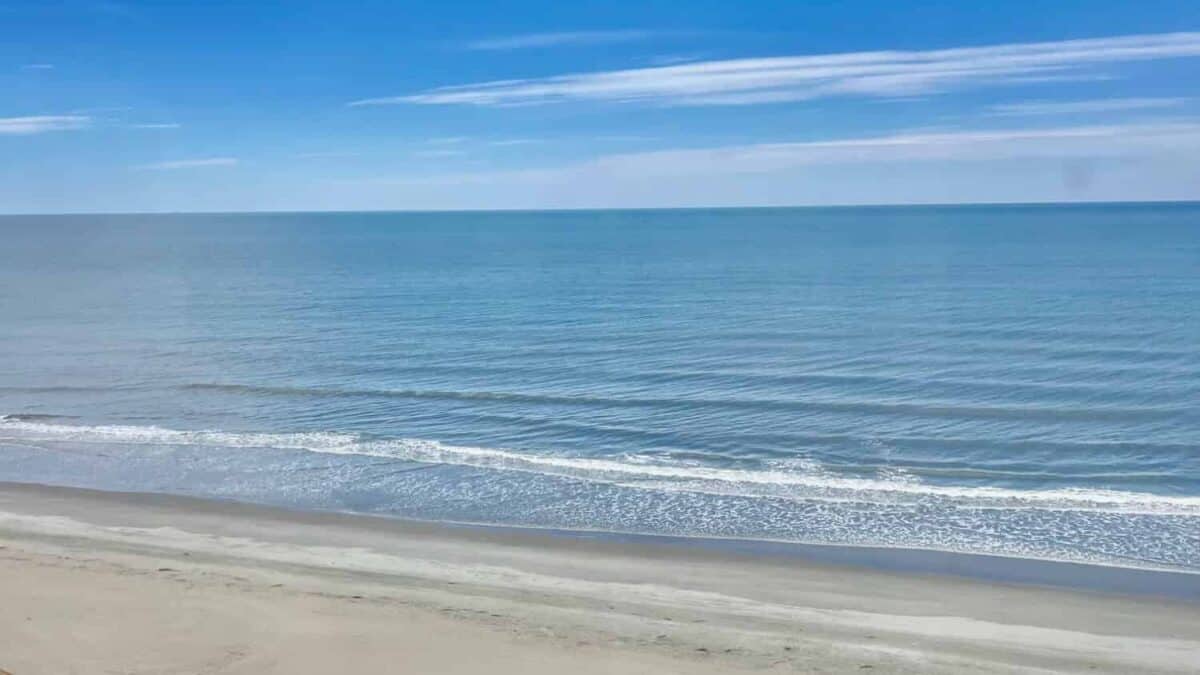
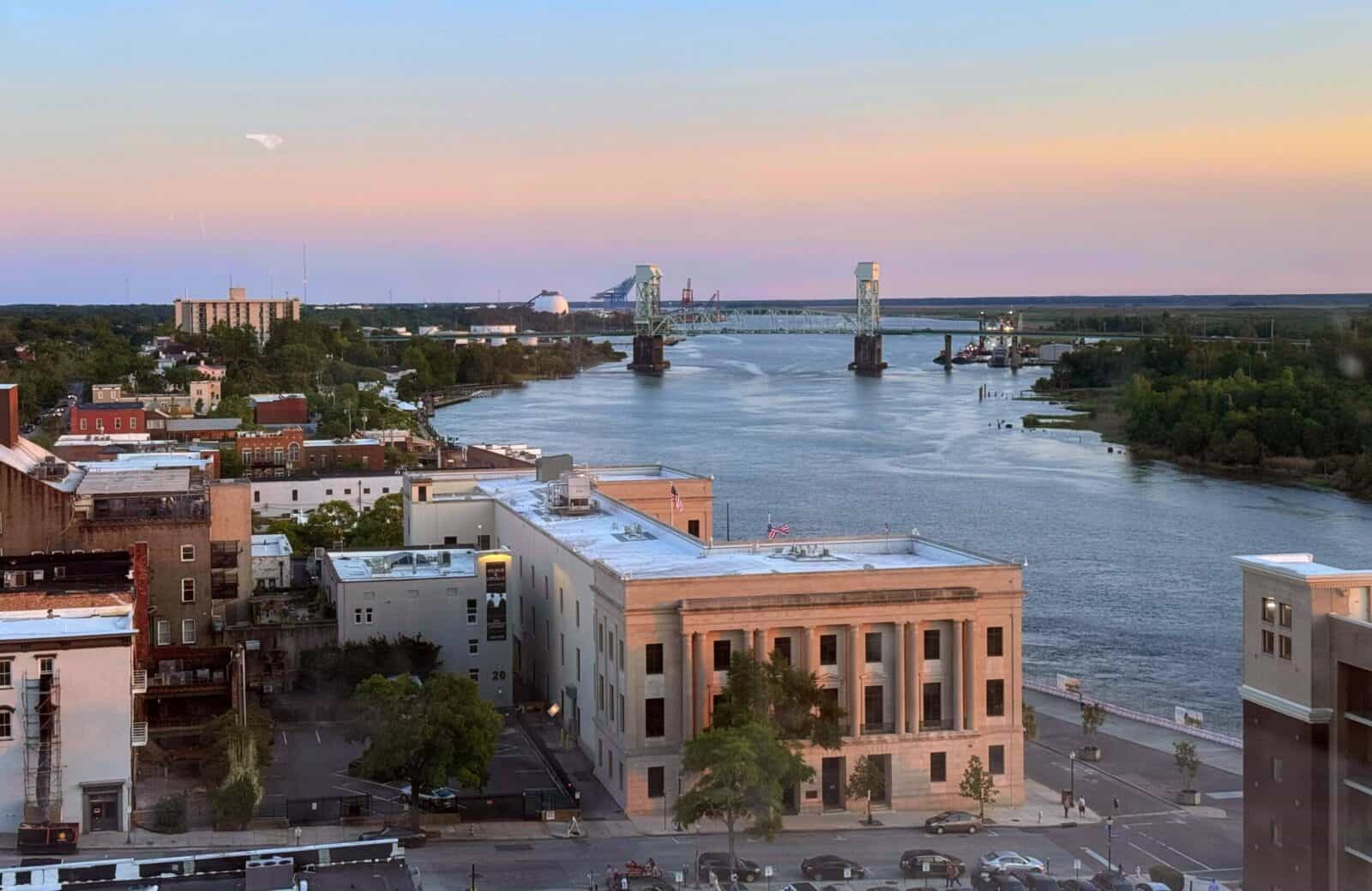
Water, food and weekends. Downtown sits on the Cape Fear River with a Riverwalk, and Wrightsville, Carolina and Kure beaches are about 20 to 30 minutes from most of the city. Restaurants lean seafood, Southern and casual, with a growing brewery scene. Big-league sports mean a drive back up I-40 for the Carolina Hurricanes; locally it’s UNCW basketball and Wilmington Sharks summer baseball.
Three questions I hear from Triangle buyers: Can I keep my Raleigh job? Remote or hybrid, yes; a daily round trip of four-plus hours is not realistic. Will I still get to Raleigh easily? Yes, it’s one interstate and about two hours. Will the pace feel different? Smaller city, fewer big venues, more water. If you want the honest downsides, read my reasons not to move to Wilmington.

Where people from Raleigh tend to look
Preference-driven, not a prediction. These areas match what Triangle buyers most often tell me they want. My best neighborhoods guide covers the full list.
- Downtown Wilmington: historic homes, condos and townhomes near the Riverwalk, a walkable, historic option. If you liked Oakwood or downtown Raleigh, start here.
- Midtown and UNCW and Monkey Junction: established neighborhoods with mature trees and central locations, generally at lower price points than the beaches.
- Ogden and Mayfaire and Porters Neck: suburban convenience with shopping close by, similar in feel to North Raleigh, and quick access to I-40 and Wrightsville Beach.
- RiverLights and Leland: master-planned new construction with amenity centers, the closest match to Wake Forest or Holly Springs. Leland is in Brunswick County, at a different tax rate; my Leland vs. Wilmington comparison covers the tradeoffs.
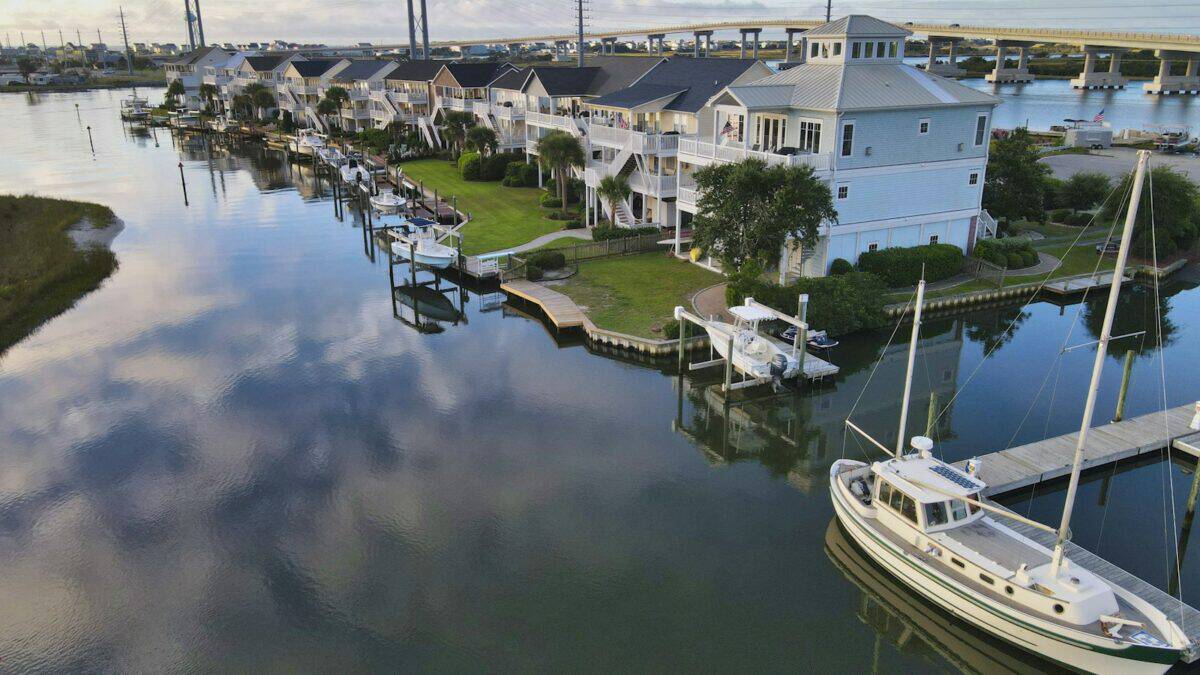
- Landfall, Wrightsville Beach, Carolina Beach and Hampstead: water access, from gated golf-and-marina living to island homes to larger lots near the Intracoastal, with insurance and flood-zone questions to match.

The paperwork of an in-state move
- Driver license. NCDMV requires you to update your address and get a replacement license or ID within 60 days of moving within North Carolina. It’s often doable online or at a self-service kiosk; the duplicate license fee is $16.75 (NCDMV: Moving Within N.C., checked September 2026).
- Vehicle registration. Your NC plates stay. Updating your license address online also updates your registration address, and NCDMV requires a replacement registration card ($25.50) within the same 60 days.
- Vehicle property tax. Under Tag & Tax Together, the tax is billed with your registration renewal at the rate for the address on record. Update your address before your next renewal so the bill is figured on New Hanover County’s rate, not Wake’s; if it’s billed to the old address, contact the county tax office before paying (NCDOR).
- Voter registration. Moving from Wake to New Hanover County means updating your registration. Existing NCDMV customers can do it online, or you can mail the form to the New Hanover County Board of Elections. Changes are due 25 days before Election Day (NC State Board of Elections).
- Property tax relief. North Carolina’s programs (the elderly or disabled homestead exclusion, the disabled veteran exclusion and the circuit breaker deferral) are the same statewide, but they attach to the property. If you qualify, file a new application with New Hanover County after you buy; approval in Wake doesn’t transfer (N.C.G.S. 105-282.1).
- Insurance quotes early. Get homeowners, wind and flood quotes before your due diligence period ends. My buying a home in Wilmington guide explains how due diligence works here.
- Everything else. Utilities, trash and pet licensing are on my moving to Wilmington resource links page.
Timing your move
Wilmington’s market has slowed in pace more than in price: median days on market reached 56 in August 2026, up from roughly 26 a year earlier, with more listings to choose from (Redfin, via my September 2026 market update). Raleigh homes were selling in a median 39 days in August, so if you need to sell first, build in time for both sides. Spring brings the most new listings here; late fall and winter bring fewer, but less competition. Hurricane season runs June through November, and an active storm can delay a closing while lenders wait for re-inspection. For school enrollment, New Hanover County Schools assigns schools by home address and requires proof of residency to enroll; my school enrollment guide covers the steps, and the NC School Report Cards site has official data for any school.
Still deciding whether the coast is the right fit? Start with Is Wilmington, NC a good place to live?
Planning a move from Raleigh? Call or text Tabi: 910-983-8963, or send me a note and I’ll line up a same-day tour so you can see homes and be back in the Triangle by dinner.

Frequently asked questions
How far is Wilmington from Raleigh?
About 130 miles on I-40, which runs from Raleigh to its eastern end in Wilmington. Plan on two to two and a half hours depending on traffic. As of September 2026 there is no nonstop flight between ILM and RDU on flyILM’s route list, and Amtrak does not serve Wilmington, so nearly everyone drives.
Do I need a new driver license when I move from Raleigh to Wilmington?
You keep your North Carolina license, but NCDMV requires you to update your address and get a replacement license within 60 days of moving within the state ($16.75), plus a replacement vehicle registration card ($25.50). The address update can usually be done online or at a self-service kiosk.
Are homes cheaper in Wilmington than in Raleigh?
Not right now. Redfin’s August 2026 medians were $422,221 in Raleigh (down 6.2% year over year) and $469,689 in Wilmington (up 3.2%). The property tax rate runs the other way: 90.91 cents per $100 inside Raleigh versus 63.75 cents inside Wilmington city limits for FY2026-27.
Will my taxes change when I move from Raleigh to Wilmington?
Your state income tax does not change: North Carolina’s rate is a flat 3.99% for 2026 statewide. Property and vehicle taxes move to New Hanover County’s rates, which are lower than Wake County’s and Raleigh’s, and the sales tax drops from 7.25% in Wake County to 7% in New Hanover County.
Tabi Klein is a REALTOR® with Coldwell Banker Sea Coast Advantage in Wilmington, NC. Each office is independently owned and operated. Equal Housing Opportunity. Figures above are from the dated sources listed and change over time; verify current rates, taxes, fees and insurance costs for any specific property before you buy. This is general information, not legal or tax advice. Call or text 910-983-8963 or visit www.makingilmhome.com.
Sources: Redfin Raleigh, NC housing market and Redfin Wilmington, NC housing market (August 2026); Redfin migration data (April–June 2026); Wake County tax rates and Wake County 2027 revaluation (checked September 2026); New Hanover County and City of Wilmington FY2026-27 adopted tax rates; NCDOR individual income tax rate schedules; NCDOR current sales and use tax rates (effective July 1, 2026); NCDOR Tag & Tax Together FAQ; NCDMV Moving Within N.C. (updated May 15, 2026); NC State Board of Elections: Updating Registration; N.C.G.S. 105-282.1; flyILM airlines and destinations (September 2026); NOAA 1991–2020 Climate Normals for Raleigh-Durham International and Wilmington International.