The Cape Fear Memorial Bridge Toll Question: What Wilmington Buyers Should Know
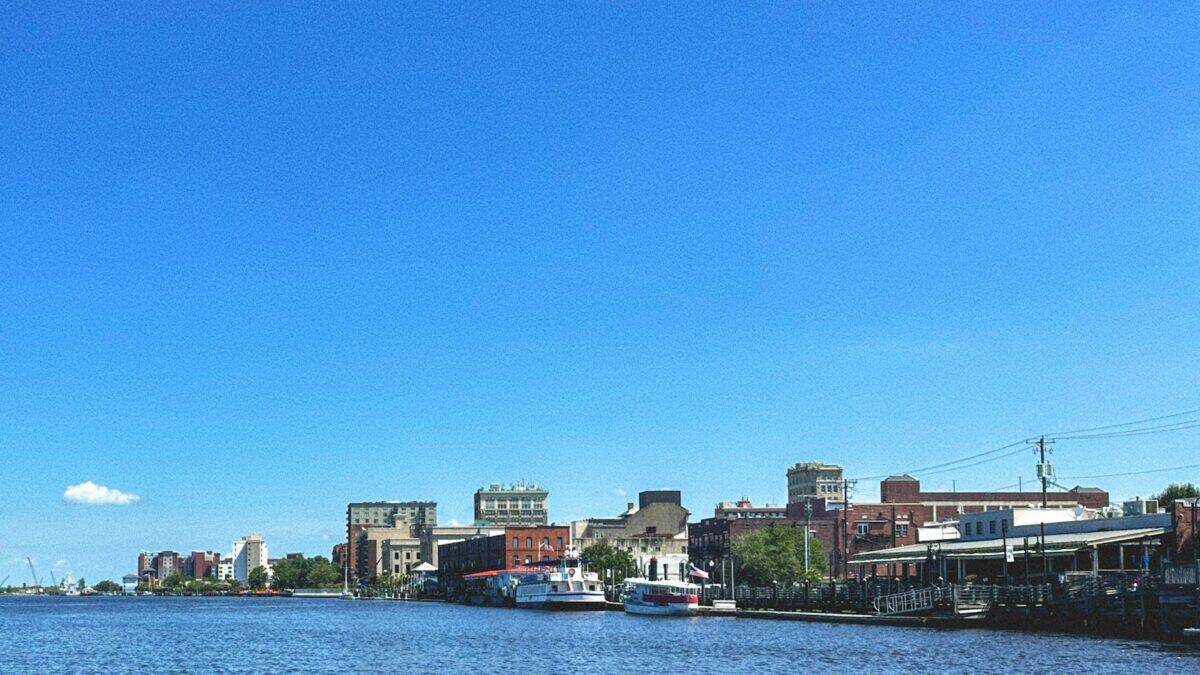
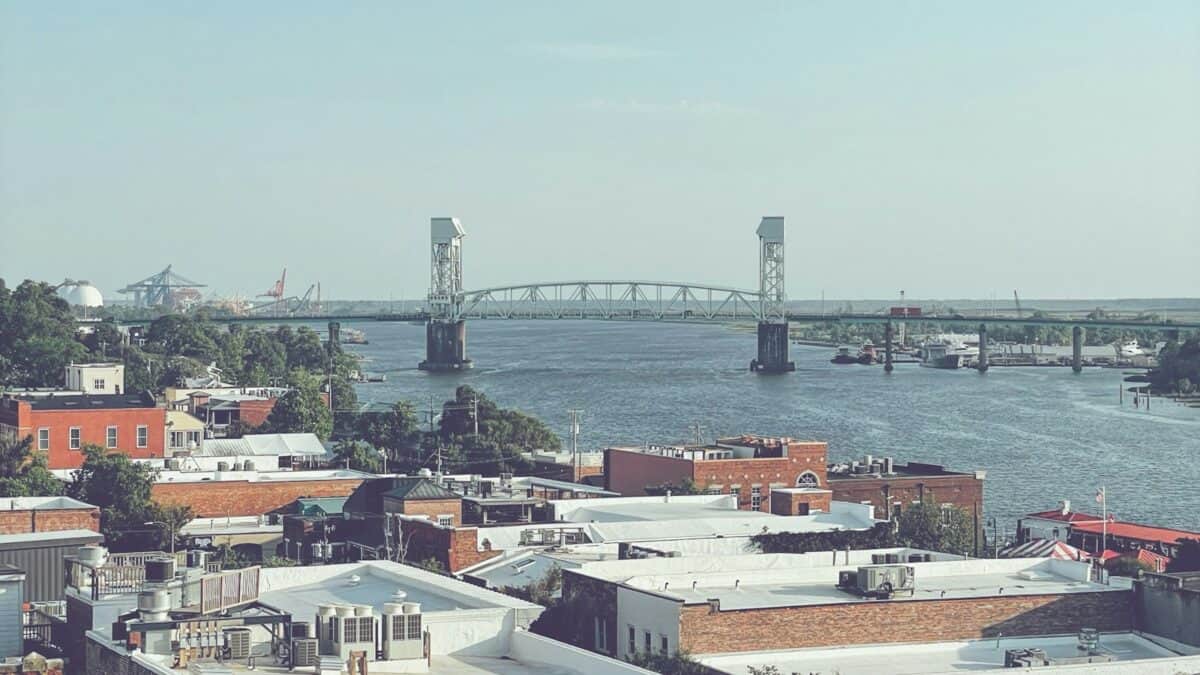
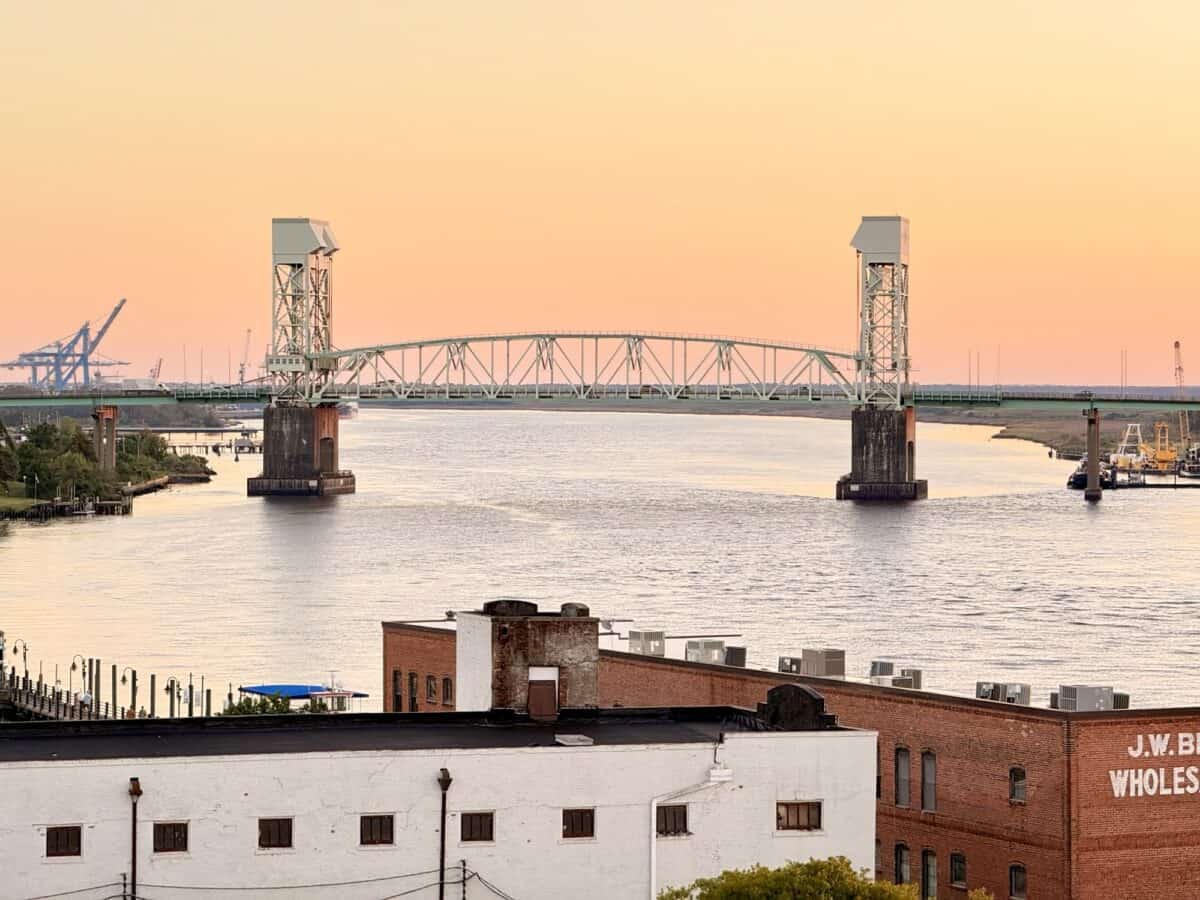
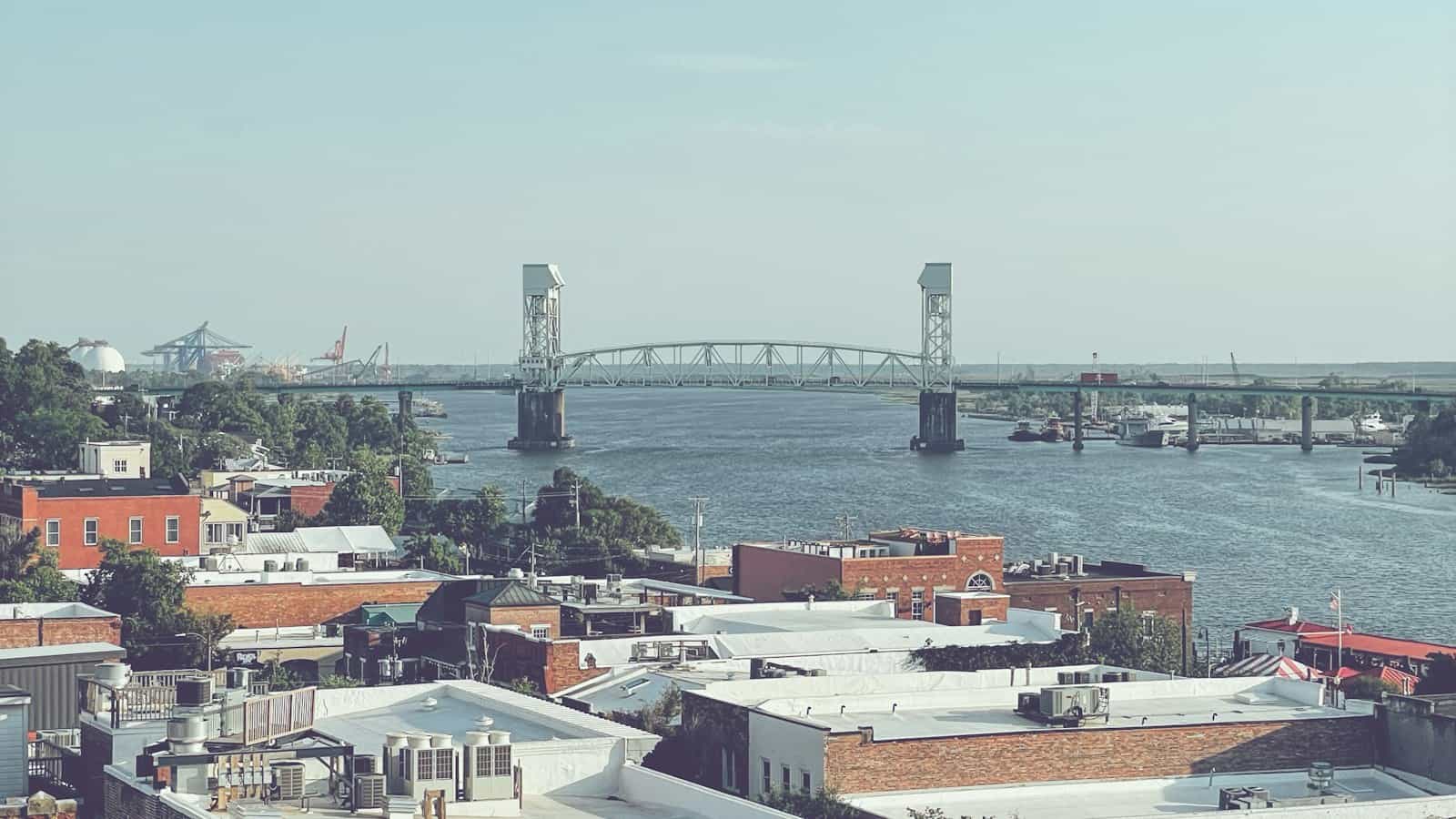
Cape Fear Memorial Bridge toll talk is everywhere in Wilmington right now. Few local topics get people talking like the future of the Cape Fear Memorial Bridge — the aging drawbridge that links downtown Wilmington to the Brunswick County side of the river. It needs replacing, and the big debate is how to pay for it. A toll is squarely on the table, and depending on where you land in the area, it could become a real line item in your monthly budget.
I’m going to keep this one deliberately neutral. My job isn’t to tell you whether a toll is good or bad — reasonable neighbors land on very different sides of it — it’s to make sure you understand the facts so you can factor them into your decision.
Moving to Wilmington?
Grab my free Moving to Wilmington Buyer Guide — neighborhoods, price ranges, and the local stuff nobody tells you before you fall for a house between the river and the sea.
Where the Cape Fear Memorial Bridge toll question stands (as of October 2026)
- Cost and funding gap: the replacement is estimated at about $1.1 billion (NCDOT project page, September 2026). About $327 million is committed — a $242 million federal grant awarded in 2024 plus roughly $85 million from NCDOT — and the grant is tied to a September 2027 deadline. That leaves a gap of roughly $700 million to $800 million depending on the design chosen; NCDOT has said tolling is the only funding option that scored high enough in the state’s STIP to pay for it (WECT and Port City Daily, September 16, 2026). More than 50,000 vehicles cross the bridge daily (Port City Daily, September 16, 2026).
- The private toll proposal is out. On July 2, 2026, a state review panel rejected a private company’s unsolicited proposal to design, build, finance and operate the bridge, finding it offered no benefit to NCDOT. NCDOT said it will keep pursuing the replacement as a traditional toll project, pending a legislative change (WECT, July 29, 2026). The $2.75-per-crossing figure you may have seen came from that rejected proposal, so no toll amount has been set. Because state law doesn’t currently allow tolling an existing route, the General Assembly would need to pass a bill in early 2027 for the toll plan to move forward (WECT, July 30, 2026).
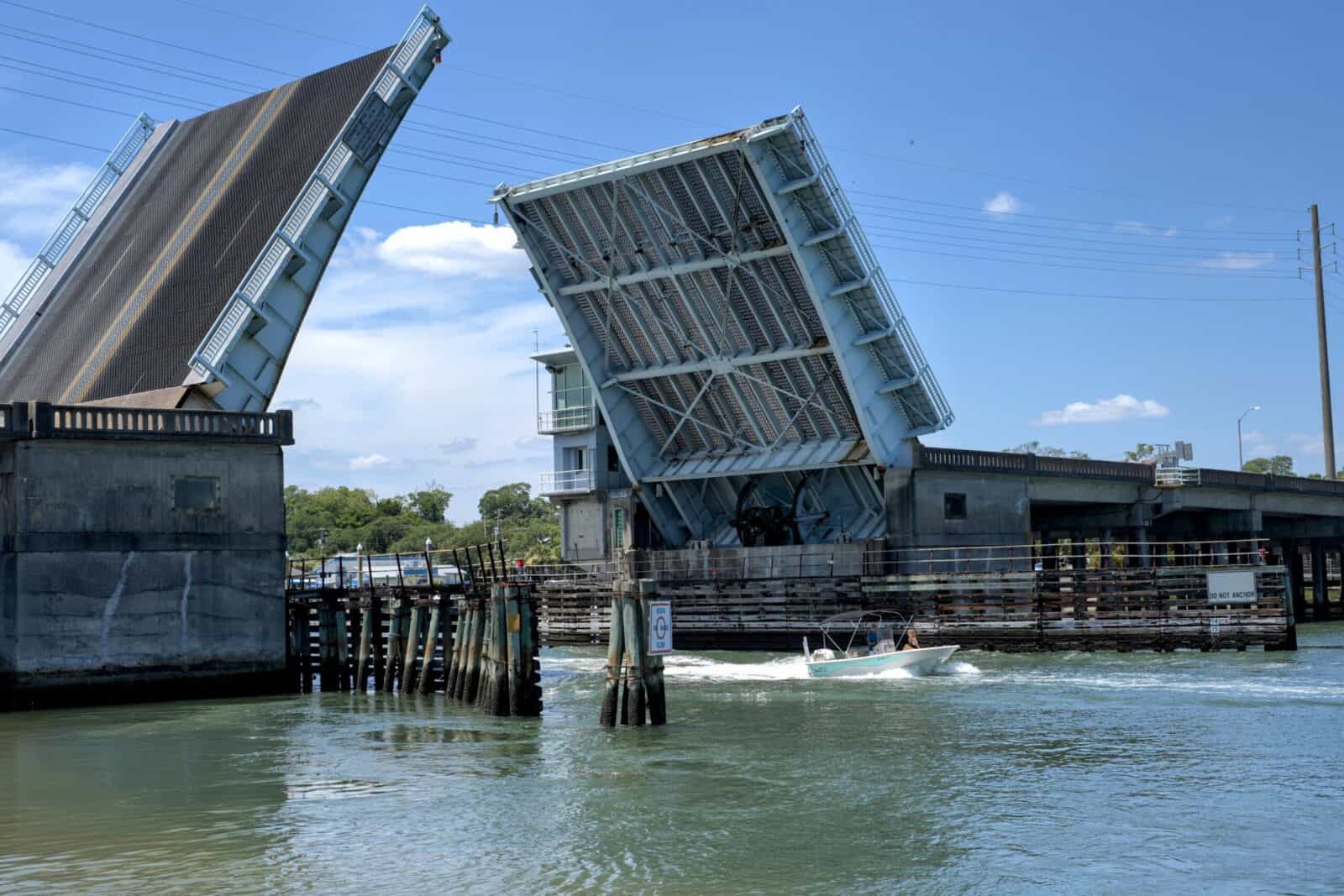
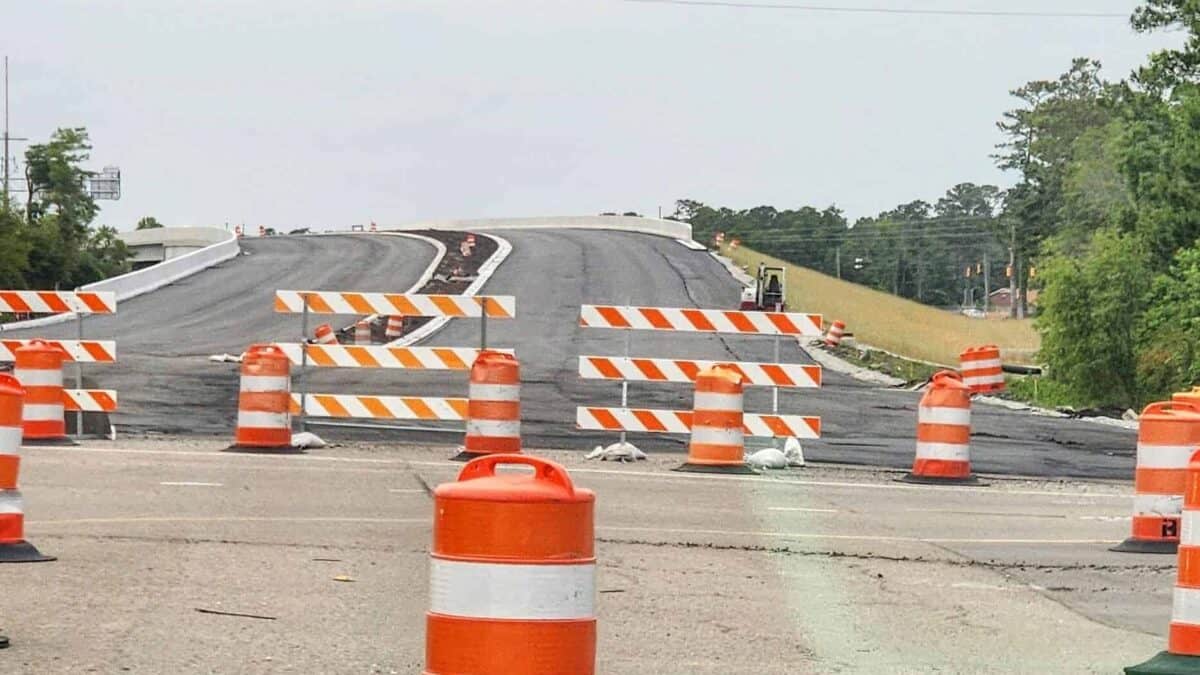
- Two designs are on the table: Alternative A, a movable span that sits at 65 feet and opens to 135 feet, and Alternative B, a fixed bridge at 135 feet. NCDOT’s hearing materials put the fixed bridge at roughly $80 million less than the movable one, but with more property and wetland impacts (Port City Daily, September 16, 2026). If the schedule holds, NCDOT is targeting a groundbreaking in September 2027 to keep the federal grant (Port City Daily, September 16, 2026); no completion date has been published.
- Public input closes October 15, 2026. NCDOT held public meetings in Wilmington and Leland in mid-September 2026. Comments were accepted through October 15, 2026 at NCDOT’s public input page, and a final design decision is expected by the end of 2026.
- Local officials have weighed in. On September 1, 2026, Wilmington City Council voted unanimously to recommend against tolling and against Alternative B, which would land at Fifth Avenue. The resolution counts as the city’s public comment and isn’t binding (WECT, September 4, 2026). On September 24, 2026, Leland Town Council voted unanimously to ask federal leaders to rethink the replacement plan. Its resolution requests a Section 216 review and urges the U.S. Army Corps of Engineers to re-evaluate the vertical clearance ships need on the Cape Fear River, and the accompanying letter asks that funding, tolling and final design commitments be held until that study is done (WECT, September 24, 2026). On October 6, 2026, Wilmington City Council unanimously approved a 52-page comment document for NCDOT that calls the agency’s environmental analysis incomplete, again asks that tolling be removed as a funding option regardless of design, and offers three alternatives of its own: a four- or six-lane bascule bridge (estimated at $540 million to $780 million), a second lift bridge built beside the repaired existing one (about $585 million), and a revived southern Cape Fear Crossing (about $6 billion). NCDOT maintains a new structure is needed because the 57-year-old bridge’s parts are becoming obsolete and it spends about $500,000 a year on repairs (Port City Daily, October 8, 2026).
Why people feel strongly about it
This is genuinely a topic where thoughtful people disagree, and it helps to understand the different vantage points:
- Commuters on the Brunswick side worry about paying a toll every day to get to and from Wilmington — a cost that adds up quickly for daily drivers.
- Downtown and business interests often want the bridge replaced sooner rather than later, and a taller, more reliable span that doesn’t have to stop traffic to open for boats.
- Some residents raise fair questions about how a toll affects lower-income drivers who cross the bridge for work.
- Others simply want the safest, most durable option and see a toll as a way to actually get it funded and built.
There’s no “right” answer here — just trade-offs that land differently depending on your commute, your budget, and your priorities.
What it means if you’re buying
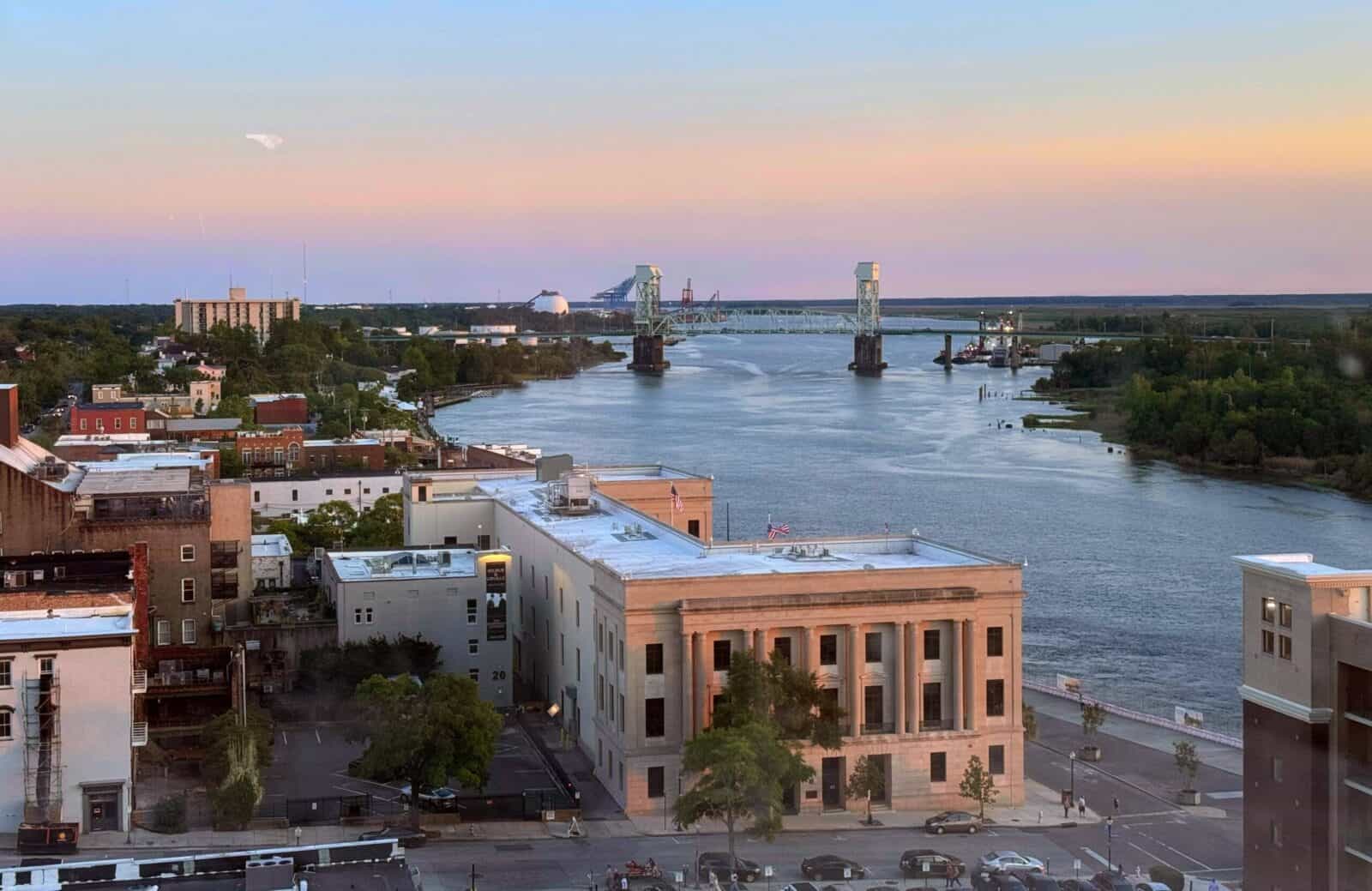
If you’re looking on the Brunswick County side (Leland, Belville, Winnabow): run the numbers on your realistic commute. If you’d cross the Cape Fear daily and a toll is adopted, build that recurring cost into your budget the same way you would gas or an HOA fee. Many buyers still find Brunswick County a strong value even accounting for it — but you want to decide that with eyes open.
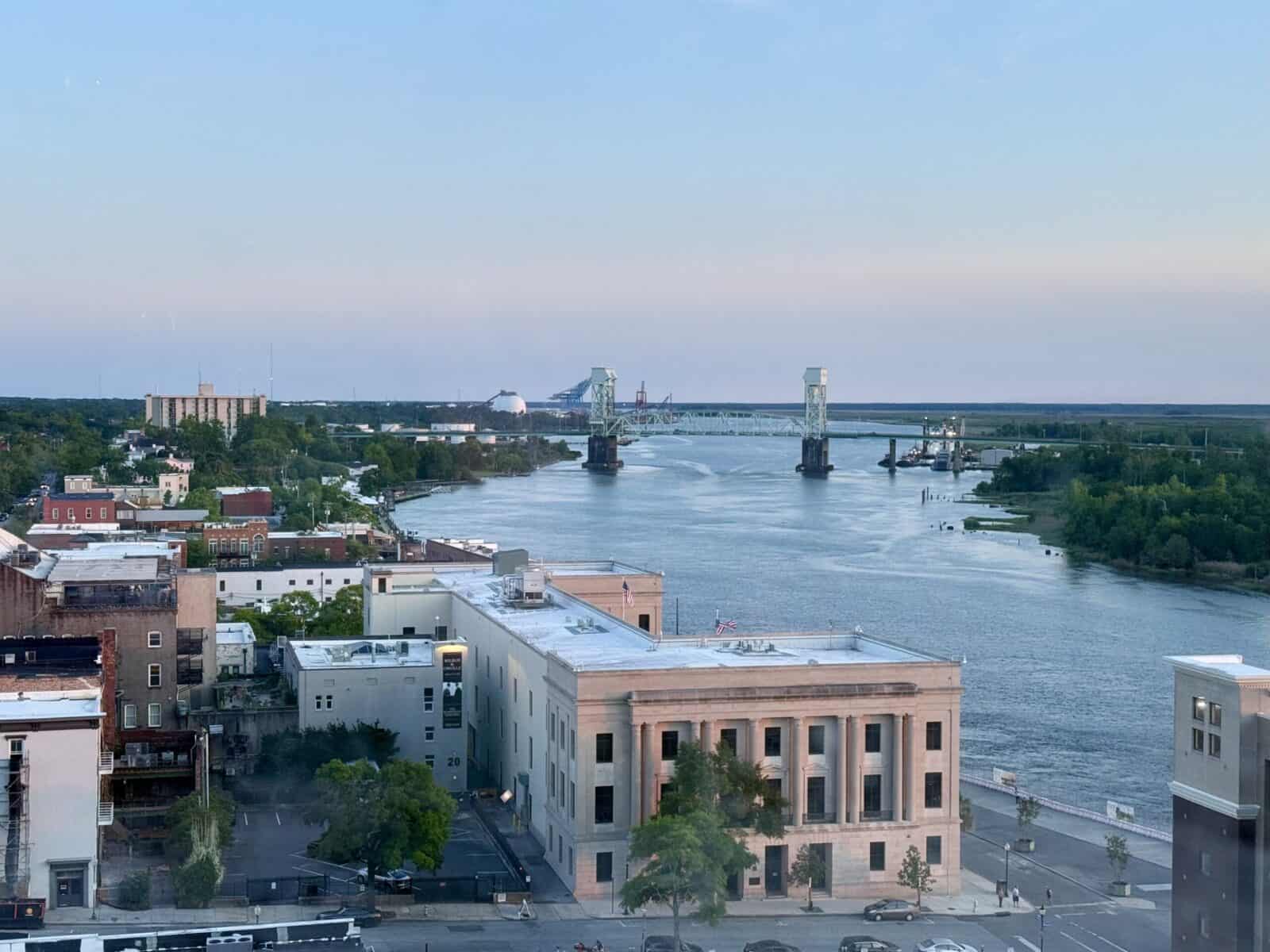
If you’re buying in downtown or historic Wilmington: a replaced bridge could change traffic patterns and river views over time, depending on which design is chosen. Worth understanding, not worth panicking over.
If you’re a longer-term hold or investor: improved infrastructure is generally a positive for an area over time, but the interim construction years can mean detours and disruption. Factor in the timeline.
If you’re selling soon on the Brunswick side: some buyers will ask about this directly, so it’s good to be able to point them to the facts and the official sources rather than the rumor mill.
Frequently asked questions
Will the Cape Fear Memorial Bridge have a toll?
It hasn’t been decided. On July 2, 2026, a state review panel rejected a private company’s toll proposal, and NCDOT said it will keep pursuing the replacement as a traditional toll project, pending a legislative change (WECT, July 29, 2026). The General Assembly would need to pass a bill in early 2027 to allow tolling an existing route (WECT, July 30, 2026). No toll amount has been set.
How much would the Cape Fear Memorial Bridge toll cost?
No amount has been set as of October 2026. The $2.75-per-crossing figure that circulated came from the private proposal the state rejected in July 2026.
How much will the new Cape Fear Memorial Bridge cost?
About $1.1 billion (NCDOT project page, September 2026). About $327 million is committed, a $242 million federal grant awarded in 2024 plus roughly $85 million from NCDOT, and the grant is tied to a September 2027 deadline. That leaves a gap of roughly $700 million to $800 million depending on the design (WECT and Port City Daily, September 16, 2026).
What designs are being considered for the new bridge?
Two: Alternative A, a movable span that sits at 65 feet and opens to 135 feet, and Alternative B, a fixed bridge at 135 feet. A final design decision is expected by the end of 2026.
How can I comment on the Cape Fear Memorial Bridge replacement?
NCDOT accepted public comments through October 15, 2026 on its public input page for the project, and a final design decision is expected by the end of 2026.
When would construction on the new bridge start?
NCDOT is targeting a groundbreaking in September 2027, the deadline attached to the $242 million federal grant (Port City Daily, September 16, 2026). That depends on a design decision by the end of 2026 and on the General Assembly approving tolling in early 2027; no completion date has been published as of October 2026.
The honest bottom line
Nothing is final yet. The design, the toll, and the funding are all still being decided, and the timeline could easily shift. The smartest thing you can do is stay informed through official channels and let the facts — not the Facebook comment section — shape your decision.
I follow this closely because it comes up constantly with buyers on both sides of the river. If you want to talk through how it might affect a specific area you’re considering, I’m happy to walk you through what we know and point you to where you can verify it yourself.
Text or call me, Tabi, at 910-983-8963, or reach out through www.makingilmhome.com.
Sources (last checked October 15, 2026): NCDOT — Cape Fear Memorial Bridge Replacement project page · NCDOT — public hearings press release (Aug 14, 2026) · Port City Daily — as NCDOT weighs designs, locals ask if there is another way (Sept 16, 2026) · WHQR — residents speak up (Sept 16, 2026) · WECT — Leland council resolution (Sept 22, 2026) · WECT — tolled bridge plans push ahead (July 30, 2026) · WECT — private bid out, toll replacement still in (July 29, 2026) · WECT — Wilmington council vote (Sept 4, 2026) · WECT — public meetings (Sept 16, 2026) · WECT — billion-dollar toll bridge proposal advances · Port City Daily — toll decision due by February to keep grant · WilmingtonBiz — NCDOT plans hearing on bridge replacement · Historic Wilmington Foundation — Bridge Replacement · WECT: Leland council votes to challenge bridge plans (Sept 24, 2026) · Port City Daily: City submits 3 alternative bridge designs (Oct 8, 2026)
Tabetha Klein is a licensed REALTOR® with Coldwell Banker Sea Coast Advantage. This article is for general informational purposes only and is not a recommendation, endorsement, or political position on any project or funding method. Project details and timelines are set by NCDOT and other agencies and change frequently — verify current status with the responsible agency before making decisions. Each office is independently owned and operated. Equal Housing Opportunity.
More on getting around Wilmington
Thinking about your commute? See the 2026 Wilmington road projects, why buyers are heading to Leland across the river, how Leland and Wilmington compare side by side, and the resource links you’ll want before you move.